Water filtration performance depends on more than the design of the filtration system itself. The selection of internal filter materials directly affects particle removal efficiency, water flow stability, service life, and maintenance frequency.
For manufacturers developing filtration products, choosing suitable filter media requires a clear understanding of material structure and application requirements. Different systems may require different balances between filtration accuracy, pressure resistance, durability, and cost efficiency.
A filtration material with the right fiber structure can help capture unwanted particles while maintaining stable water flow. By evaluating factors such as density, thickness, and pore distribution, manufacturers can develop filtration solutions that provide consistent performance across different operating environments.
Filtration material selection is the process of choosing a filter structure that matches the requirements of a specific water treatment application.
The filter media acts as a barrier that captures suspended particles while allowing water to pass through. Its performance depends on the relationship between material structure, contaminant characteristics, and operating conditions.
Different applications have different filtration goals. Residential water filtration products may focus on removing visible sediment and improving water clarity, while industrial systems may require higher dirt-holding capacity and longer operating cycles.
Selecting an unsuitable material can create several issues. A structure that is too open may reduce particle capture efficiency, while a material that is too dense may increase resistance and reduce water flow.
Therefore, manufacturers should evaluate filtration materials according to the complete system requirements rather than focusing only on one specification or initial purchase cost.
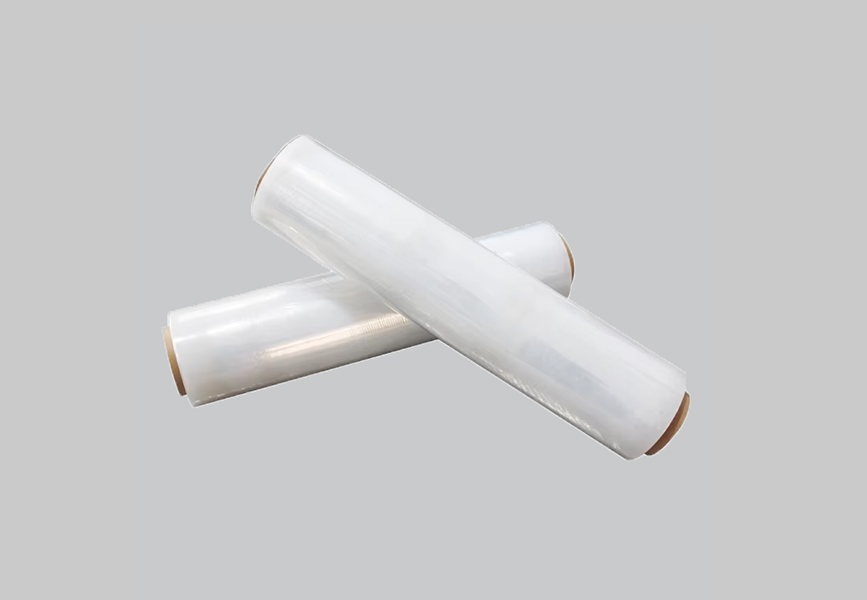
Water filter cotton is a filtration material designed to capture suspended particles through its three-dimensional fiber network.
During filtration, water passes through the interconnected fibers while contaminants become trapped within the material structure. This physical filtration process helps remove sediment, dust, and other suspended particles before water reaches more advanced filtration stages.
The performance of water filter cotton depends on several important characteristics, including fiber arrangement, thickness, density, and pore structure. A properly designed material can provide effective particle retention while maintaining suitable flow performance.

In many filtration systems, water filter cotton works as a pre-filtration layer. It protects downstream components by reducing the amount of larger particles entering finer filtration stages. This can improve overall system stability and extend the replacement cycle of other filter elements.
For manufacturers, selecting the right filtration material is not only about removing contaminants. It is also about improving the efficiency and reliability of the complete filtration system.
Fiber structure plays an important role in determining how effectively a filtration material captures particles and manages water flow.
The arrangement of fibers creates internal pathways that influence filtration performance. Smaller spaces between fibers can improve particle retention, while larger pathways may allow faster flow but reduce filtration accuracy.
When developing advanced filtration solutions, manufacturers should also consider bacterial filtration material requirements when applications involve microbial control and specialized filtration performance. A highly dense structure may capture more particles but can increase energy consumption or reduce system flow rate.

Thickness is another important factor. A thicker material generally provides more space for particle accumulation, which can improve contaminant-holding capacity. However, the ideal thickness depends on the design of the filtration system and the expected operating conditions.
The best filtration structure provides a balance between particle capture, water flow, durability, and replacement frequency.
Different filtration materials are suitable for different applications. Water filter cotton is widely used because it provides a practical balance between filtration performance, flexibility, and cost efficiency.
| Comparison Factor | Water Filter Cotton | Other Filter Materials |
|---|---|---|
| Particle removal | Effective for suspended particles and sediment | Depends on material structure and application |
| Flow performance | Provides balanced water flow | Varies according to density and design |
| Application flexibility | Suitable for different filter designs | Often developed for specific purposes |
| Cost efficiency | Suitable for high-volume filtration products | Depends on material type |
Some advanced filtration systems use specialized materials for chemical adsorption, fine separation, or specific contaminant removal. However, physical filtration materials remain important because they provide reliable and economical particle capture.
The ideal filtration material depends on the target application, water quality conditions, system design, and expected service requirements.
Choosing the right filtration material requires understanding the working environment and final product requirements.
For household filtration systems, manufacturers may prioritize stable performance, easy replacement, and effective sediment removal. Commercial and industrial systems may require stronger durability, higher contaminant capacity, and longer operating periods.
Important evaluation factors include particle size, water flow rate, pressure conditions, replacement frequency, and compatibility with other filtration layers.
Different applications may also require customized structures. For example, manufacturers developing specialized filtration products may need adjustments in fiber composition, thickness, density, or material format.
Selecting suitable materials based on actual application conditions helps reduce performance issues and improves long-term product reliability.
Many filtration problems occur because manufacturers evaluate materials from only one perspective.
One common mistake is choosing materials only based on purchasing price. A lower-cost material may increase overall expenses if it results in frequent replacement, unstable filtration performance, or reduced customer satisfaction.
Another mistake is ignoring the characteristics of the water source. Different water conditions contain different types of contaminants, meaning filtration materials should be selected according to actual requirements.
Manufacturers may also overlook compatibility between multiple filtration layers. In a multi-stage system, each material should work together to achieve the desired filtration result.
A complete evaluation should consider filtration goals, material properties, system requirements, and long-term operating conditions.
A reliable filtration material supplier should provide technical support in addition to standard products.
HmFiberTech develops functional filtration and nonwoven material solutions for different industrial applications. By understanding customer requirements, the company supports material selection based on filtration performance, processing requirements, and product design goals.
Customized solutions allow manufacturers to adjust material characteristics according to specific needs, including thickness, density, fiber structure, and production format.
For applications requiring controlled airflow and protective filtration performance, customized ventilator filter material solutions can help improve system reliability and support specialized product requirements.

Working with an experienced material supplier enables manufacturers to reduce development risks, improve production efficiency, and create filtration products with more stable performance.
Water filter cotton plays an important role in filtration systems by supporting particle removal, protecting downstream components, and improving overall system efficiency.
Selecting the right filtration material requires a clear understanding of fiber structure, flow performance, contaminant retention, and application requirements. The most effective solution is not always the densest or lowest-cost material but the one that provides the right balance for the specific system.
By evaluating filtration materials from a complete product perspective and working with experienced material specialists, manufacturers can develop more reliable filtration solutions for different applications.
Water filter cotton is used as a filtration layer to capture suspended particles and sediment in water treatment systems.
It improves filtration by trapping contaminants within its fiber network while allowing water to flow through the material.
Important factors include fiber structure, thickness, density, pore distribution, flow rate, and contaminant characteristics.
Yes. Manufacturers can customize material structure, thickness, density, and size according to application requirements.
Yes. Depending on the material design and system requirements, it can be used in various commercial and industrial filtration applications.
Manufacturers should evaluate filtration targets, operating conditions, contaminant levels, flow requirements, and compatibility with the entire filtration system.
Water Filter – Filtration Technology Overview
https://en.wikipedia.org/wiki/Water_filter
Nonwoven Fabric – Structure and Applications
https://en.wikipedia.org/wiki/Nonwoven_fabric
Filtration – Separation Process Overview
https://en.wikipedia.org/wiki/Filtration