| Non-woven Fabric Types |
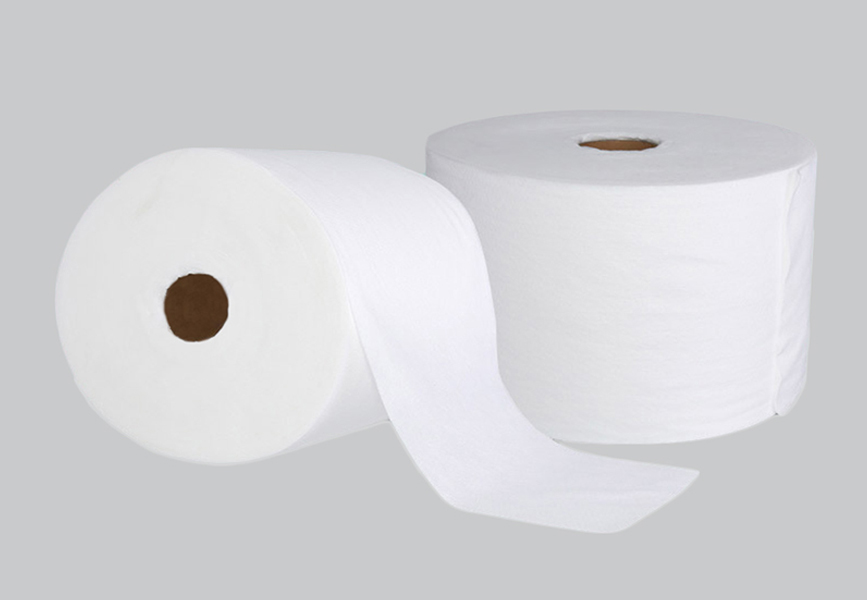
| Meltblown Nonwoven Fabric | Meltblown fabric features numerous voids and a fluffy, porous structure with excellent anti-wrinkle properties. The ultrafine fibers form unique capillary structures, increasing the number of fibers and surface area per unit area. This gives meltblown fabric outstanding filtration, barrier, thermal insulation, and oil absorption capabilities. It is suitable for applications such as air and liquid filtration materials, and isolation materials. |
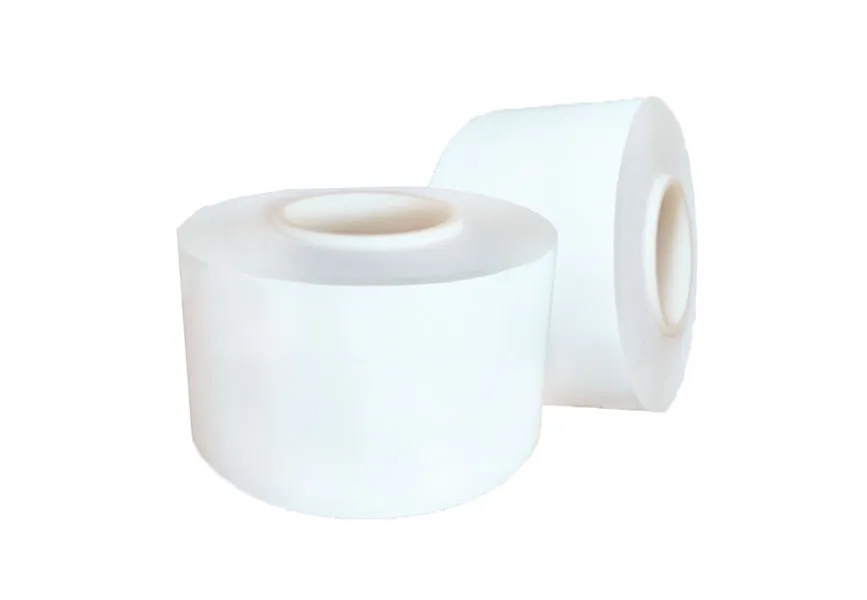
| Impregnated Nonwoven Fabric | Impregnated nonwoven fabric is produced by passing the formed fiber web through an impregnation bath, followed by drying into fabric, and finally winding and cutting. The defining characteristic of this fabric lies in the impregnation process. Depending on the desired product properties, different impregnating solutions can be formulated to achieve the required specifications through immersion. |
| ES Hot-Air Cotton Nonwoven fabric | ES hot-air cotton, also known as air-laid nonwoven or vent cotton, is manufactured using the hot-air (through-air) bonding process. It features high loftiness, excellent resilience, soft hand feel, strong thermal insulation, and good breathability and water permeability. Primarily serving as a primary filter material, it provides thermal insulation, moisture resistance, and humidity protection, enhancing wearer comfort. |
| Activated Carbon Nonwoven Fabric | Activated carbon nonwoven fabric is produced by processing specially treated ultra-fine fibers and coconut shell-based activated carbon through specialized pre-treatment processes. It exhibits superior adsorption performance, uniform thickness, excellent air permeability, and is odor-free with high carbon content. The activated carbon particles resist shedding and facilitate easy thermoforming. This fabric effectively adsorbs various industrial pollutants, including benzene and formaldehyde. |
| Skeleton/Reinforced Nonwoven | Reinforced nonwoven fabric is a functional nonwoven material manufactured through composite reinforcement technology. It typically uses high-strength fibers (e.g., spunbond nonwoven) as the skeleton layer, which is then laminated with functional layers (e.g., meltblown layer, electrostatic cotton) via thermal bonding, needle-punching, or hydroentanglement processes. Its core characteristic lies in integrating structural strength with functionality, significantly enhancing mechanical properties and durability while maintaining lightweight flexibility. |
| Bi-Component Nonwoven | Bicomponent nonwoven fabric is produced by extruding two distinct polymer chips through separate screw extruders, followed by melt-compound spinning, web formation, and consolidation to create a functional nonwoven material. The primary advantage of bicomponent spunbond technology is its capacity to utilize different raw materials and composite configurations to manufacture products with diverse properties, substantially expanding the development potential of spunbond nonwoven fabrics. |
| Viscose Nonwoven | Viscose fiber—the primary variety of regenerated cellulose fiber and China's second-largest chemical fiber by production volume—serves as the core material in viscose nonwoven fabric. Derived from chemical pulp, it is regenerated through chemical separation of natural cellulose. Viscose fiber exhibits excellent moisture absorption, dyeability, anti-static properties, and spinnability, making it widely applicable in textiles, apparel, and related fields. |
| Composite Nonwoven | Composite nonwoven fabric is an innovative material formed by laminating needle-punched cotton with PP nonwoven fabric. It combines water absorption, thermal insulation, and filtration functionalities. Primarily used in vegetable preservation and filtration materials, industrial-grade products additionally feature abrasion resistance, breathability, and environmentally friendly properties, commonly applied in surgical instrument packaging. |
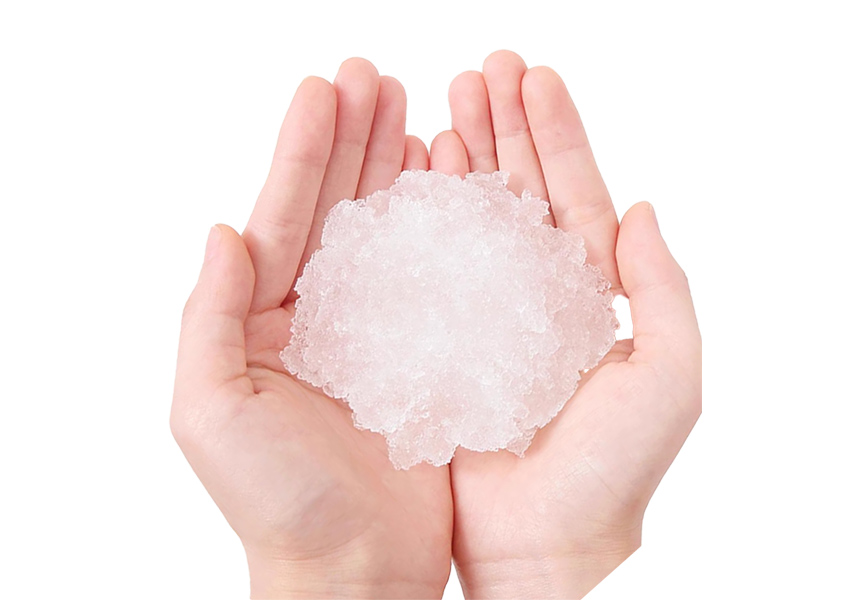
| Biodegradable Filtraton(PLA/Tencel fiber) | Biodegradable nonwoven fabric is an eco-friendly nonwoven material produced from natural or synthetic polymeric materials through nonwoven processes (e.g., spunbond, meltblown, hydroentanglement). Under specific environmental conditions, it can be naturally decomposed into water, carbon dioxide, and innocuous substances. Its degradation process must comply with international standards (e.g., ISO 14855, ASTM D6400), with the core objective of reducing plastic pollution. |
| Weak Acid/Alkali Resistant Nonwoven | Alkali Resistant Nonwoven refers to a functional material manufactured from pH-buffer-modified fibers via hydroentanglement or hot-air processes. Its surface pH remains stably maintained within a slightly acidic or slightly alkaline range. The core functionality lies in regulating the microenvironment through ion exchange to prevent acid/alkali burns in wounds. |