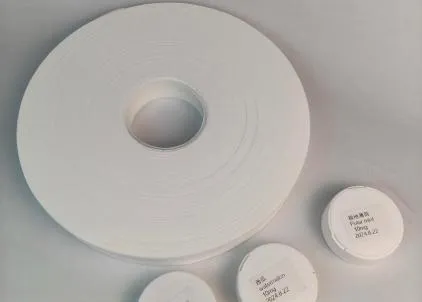
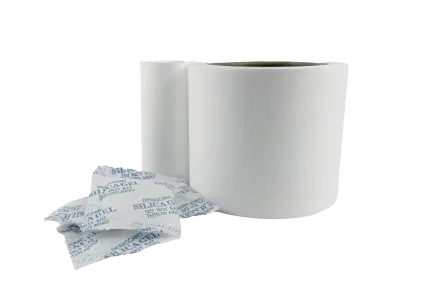
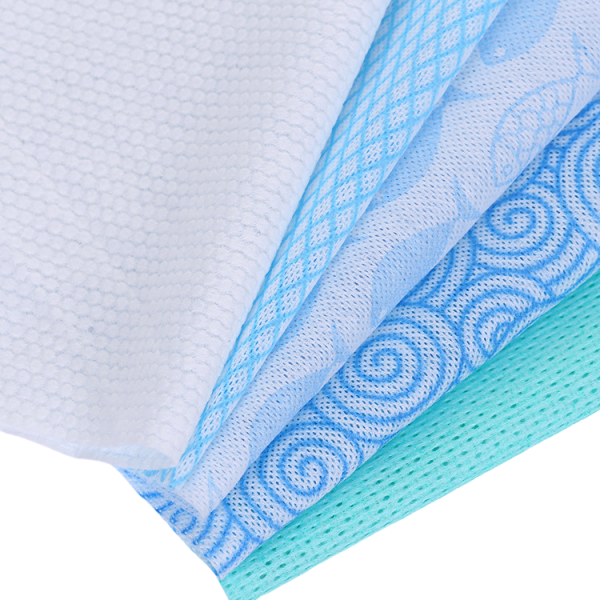
 Degradable non-woven fabric is an environmentally friendly non-woven material that can be decomposed by microorganisms into water, carbon dioxide, and biomass under specific environmental conditions. With the global enhancement of environmental awareness and the promotion of "plastic restriction orders," degradable non-woven fabrics are gradually replacing traditional petroleum-based non-woven fabrics, becoming a key choice for sustainable development. These materials can complete the degradation process within months to years under natural composting, soil burial, or specific temperature and humidity conditions, significantly reducing environmental pollution.
Wood pulp fiber degradable non-woven fabric, mainly made from eucalyptus and pine trees as raw materials through a wet-laid web forming process, exhibits excellent liquid absorbency and rapid degradation characteristics (3-6 months). It is commonly used in hygiene products and medical dressings.
Polylactic acid (PLA) degradable non-woven fabric is processed from plant starches such as corn and sugarcane through melt-blown or spunbond processes. It can fully degrade within 6 months under industrial composting conditions, with strength approaching that of polypropylene non-woven fabric. It is applied in fields such as shopping bags and food packaging.
Degradation Performance
Controllable Degradation Time: The degradation cycle can be adjusted from 3 months to 2 years through material proportioning. PLA fully degrades within 6 months under industrial composting conditions at 58°C, while it takes 2-3 years in natural soil.
Safe Degradation Products: Ultimately decomposed into CO₂, H₂O, and biomass, with no microplastic residues. The biodegradation rate can reach over 90%.
Physical Properties
Moderate Mechanical Strength: The tensile strength of PLA non-woven fabric can reach 35-50MPa, approaching 70% of that of PP non-woven fabric; PHA materials have better toughness, with an elongation at break exceeding 200%.
Stable Thermal Performance: PLA has a melting point of approximately 160-180°C and can withstand usage environments below 100°C; PHA has better heat resistance and can withstand short-term high temperatures of 120°C.
Medical and Healthcare Products
- Absorbable surgical sutures: PLA-PGA copolymer sutures maintain strength for 4 weeks in vivo and are completely absorbed within 6 months, avoiding secondary removal surgery.
- Medical protective clothing: The PLA melt-blown layer has a filtration efficiency >95%, and after use, it can be processed in hospital-specific composting facilities (degrading within 8 weeks at 60°C).
Packaging Field
- Fresh food packaging: PLA/PBAT (70/30) composite film has an oxygen permeability <100cc/m²/day, extending the shelf life of strawberries by 3-5 days.
- Express delivery bags: Starch-based materials cost 15% more than traditional PE bags but qualify for environmental subsidies from e-commerce platforms.
Diversified Customization: Provide perfect tailor-made solutions according to different customers' needs.
Environmental Material Standards: Produced with 100% virgin materials, no recycled materials added.
Product Versatility: Meet diversified needs for softness, strength, and functionality across industries.
Quality Assurance: The company holds ISO9001 and ISO13485 quality system certifications, as well as FDA and CE certifications.