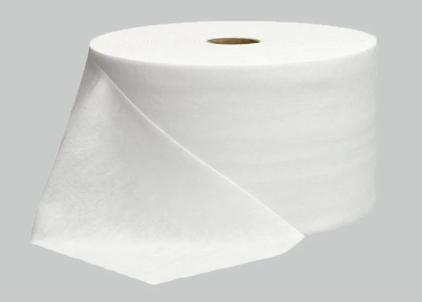
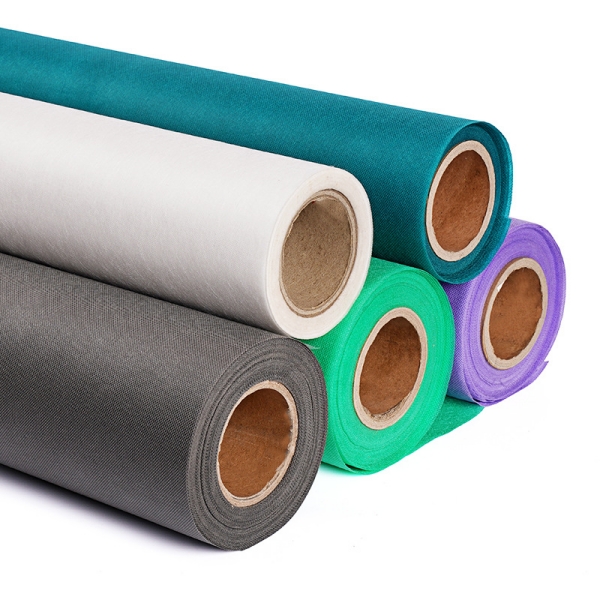
 Composite non-woven fabric is a multifunctional composite material formed by laminating two or more non-woven fabrics or non-woven materials through physical, chemical, or thermal bonding methods. It combines the advantages and characteristics of different materials, such as flame retardancy, waterproofing, breathability, conductivity, water absorption, antibacterial properties, etc.
Common lamination methods include:
- Thermal Pressing Lamination: Bonding materials through heat and pressure;
- Adhesive Bonding Lamination: Using water-based/solvent-based adhesives;
- Flame Lamination: Melting PE film with high-temperature flame for bonding.
Through material combination and process innovation, composite non-woven fabrics achieve the advantages of multifunctionality, high performance, and cost-effectiveness that are unattainable by single materials, making them a key material in industries such as medical, packaging, and automotive.
Customizable Performance
Meet diverse requirements by adjusting material combinations.
High Cost-Effectiveness
Lighter and more material-efficient than traditional composite materials.
Medical Protection Field
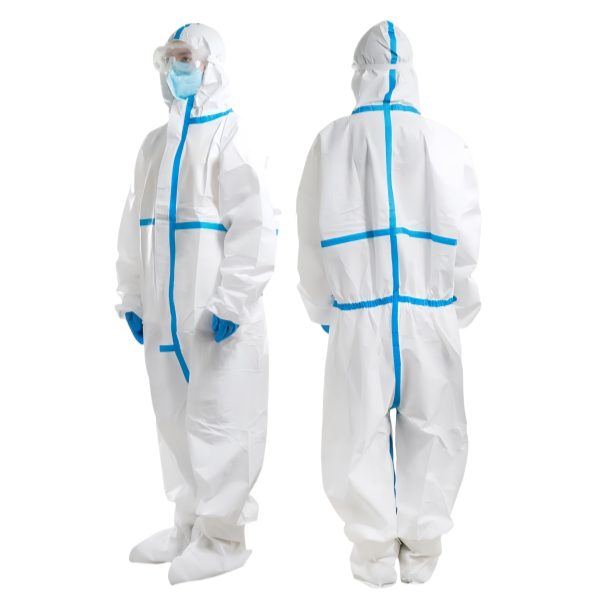
Medical protective clothing (SMS): Provides barrier against blood/bacteria, breathable and comfortable.
Surgical fenestrated drapes: Waterproof and impermeable, preventing cross-infection.
Hygiene Products
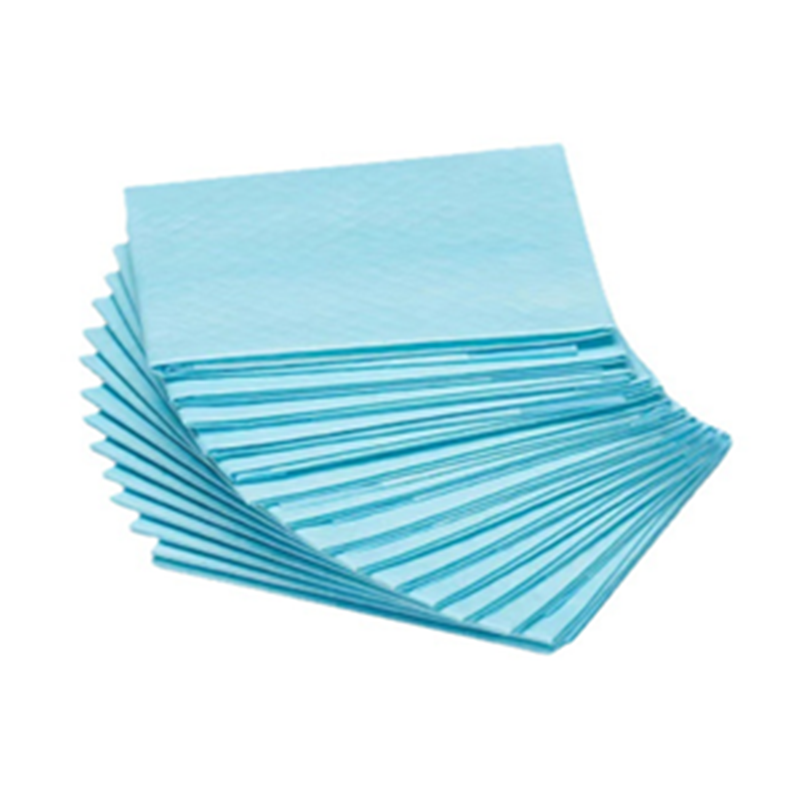
Breathable layer of diapers: PE film + non-woven fabric, leak-proof and breathable.
Top layer of sanitary napkins: Spunlace non-woven fabric + antibacterial treatment, skin-friendly and anti-allergic.
Packaging Materials
Medical sterilization packaging: PP non-woven fabric + breathable film, high-temperature resistant for sterilization.
Food packaging: PLA non-woven fabric + aluminum foil, degradable and heat-insulating.
Construction and Automotive
Automotive interiors: PET non-woven fabric + PE foam, sound insulation and shock absorption.
Roof waterproof membranes: Polyester non-woven fabric + asphalt coating.
Industrial and Agricultural Applications
Filtration materials: PTFE membrane + PET non-woven fabric, high-temperature resistant for filtration.
Agricultural cover cloths: PP non-woven fabric + aluminum foil, thermal insulation and pest control. Sound insulation materials.
Diversified Customization: Provide perfect tailor-made solutions according to different customers' needs.
Environmental Material Standards: Produced with 100% virgin materials, no recycled materials added.
Product Versatility: Meet diversified needs for softness, strength, and functionality across industries.
Quality Assurance: The company holds ISO9001 and ISO13485 quality system certifications, as well as FDA and CE certifications.