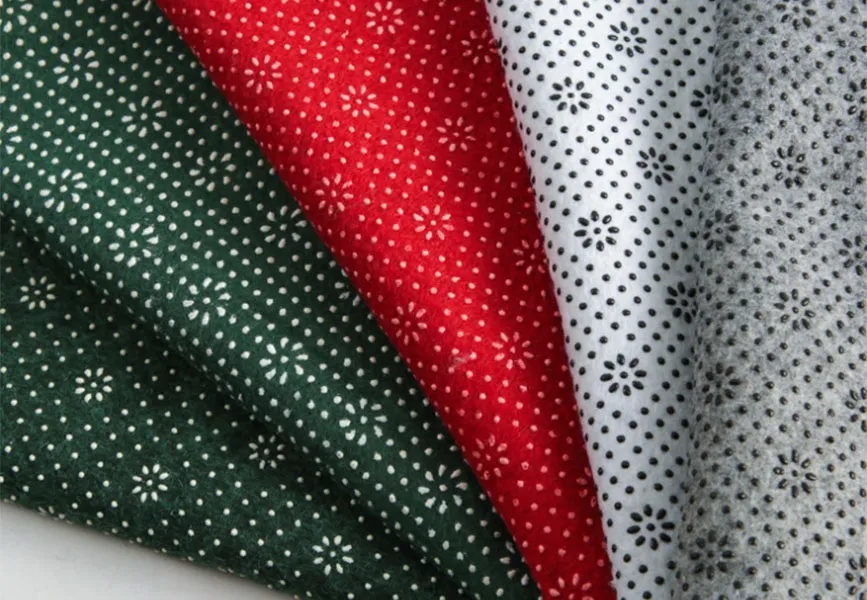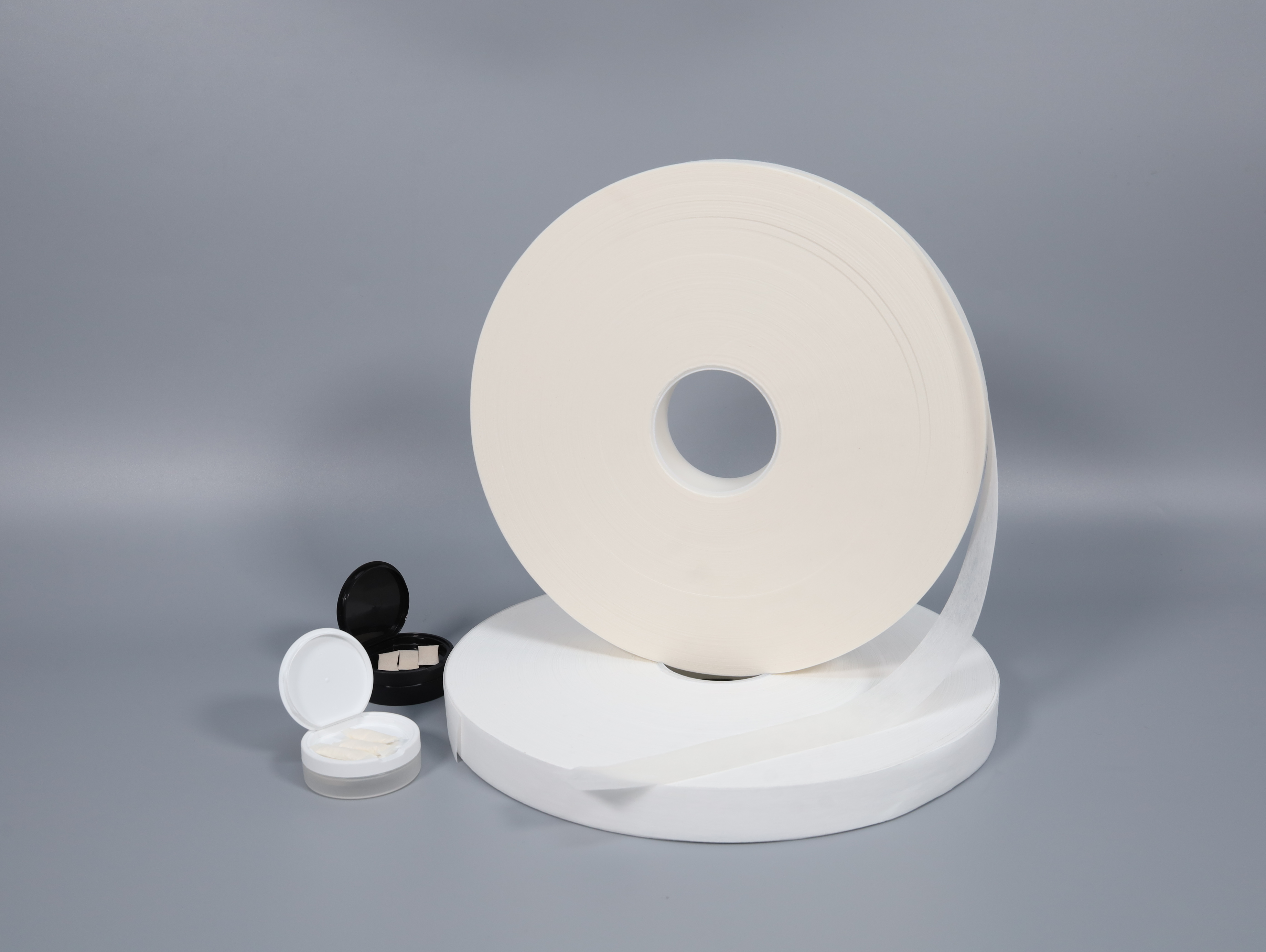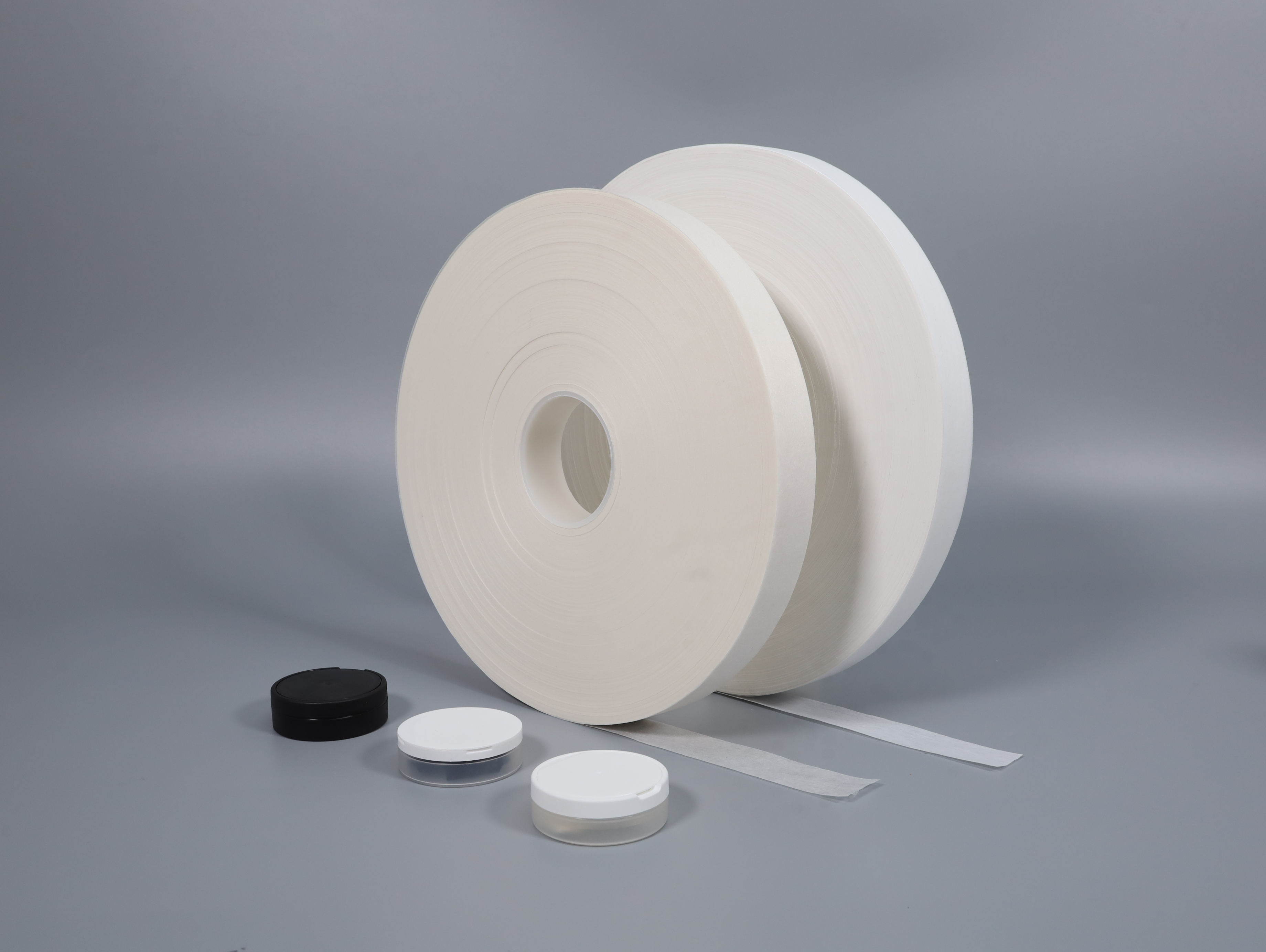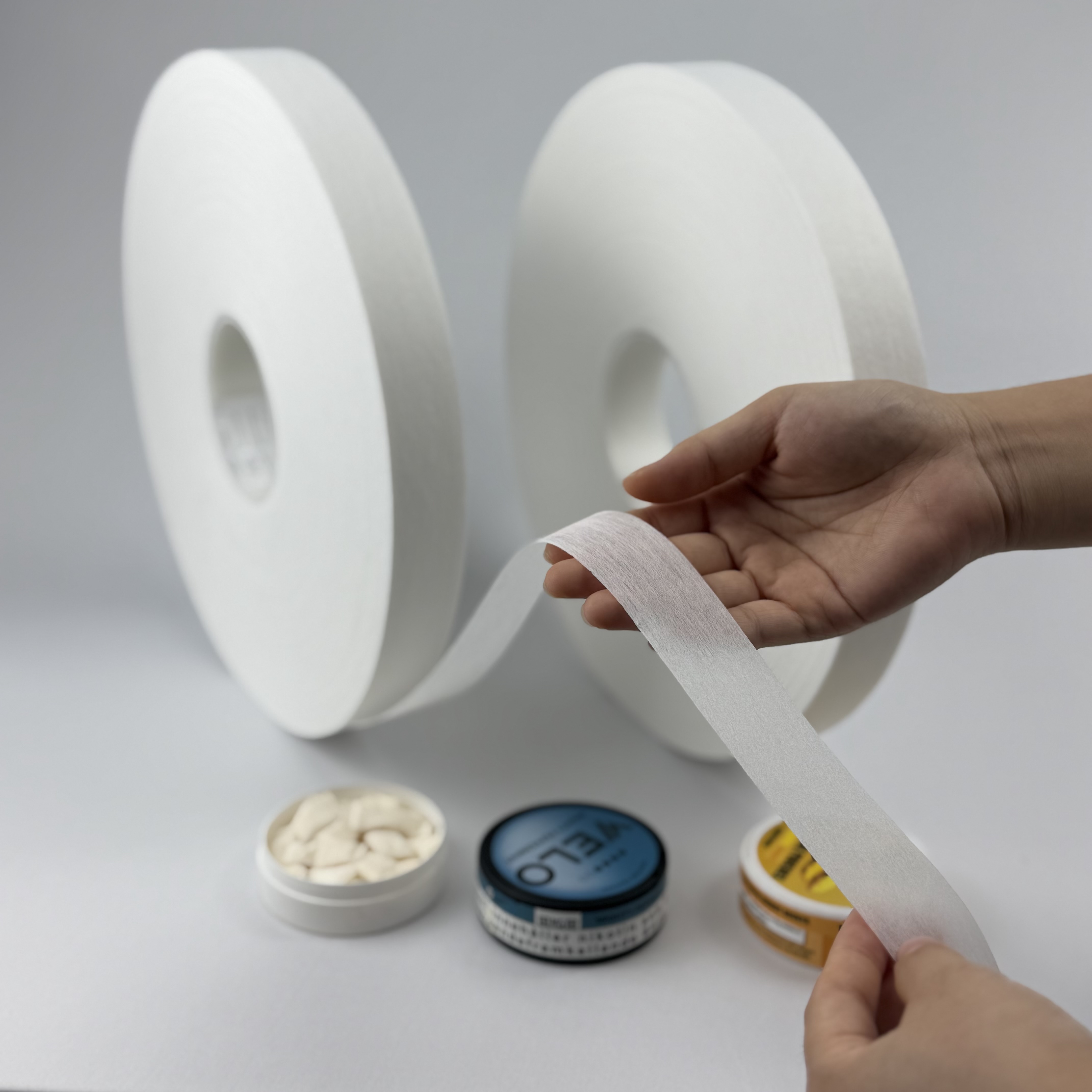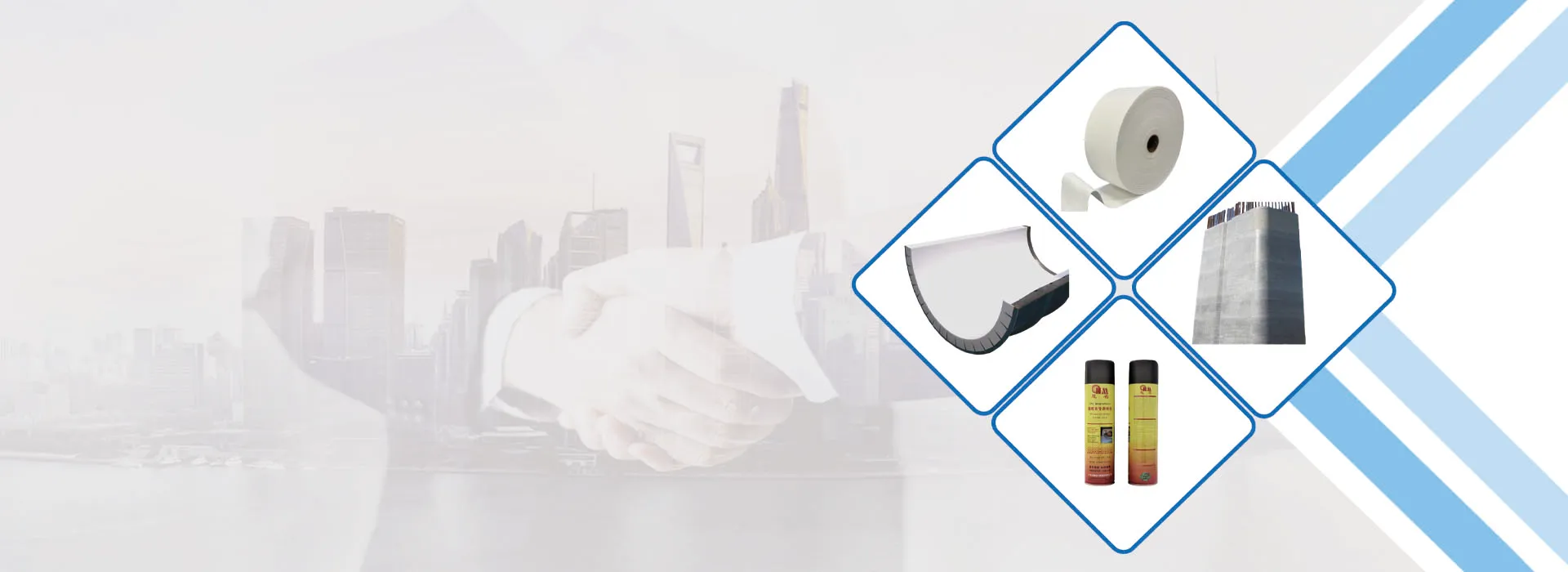

Amid the global surge in modern infrastructure development, Huiming Nonwovens pioneers sustainable construction through innovative nonwoven technologies. Our engineered needle-punched nonwovens—mechanically consolidated fiber matrices—leverage unique structural properties, superior physical performance, and versatile adaptability to advance green building solutions. These materials are revolutionizing critical applications, including airport runways, high-speed rail trackbeds, tunnel linings, roofing waterproofing, and bridge pier desanding filtration, progressively replacing conventional geotextiles and formwork membranes. Notably, Huiming's permeation formwork liners provided foundational stability for the globally acclaimed Hong Kong-Zhuhai-Macao Bridge, establishing our nonwoven fabrics as indispensable functional materials in modern mega-construction projects.

In the non-woven fabric industry, strict quality control begins with raw materials. Raw material random check, it will be returned if it’s inconsistent with your need.
Adherence to international and industry-specific technical certifications is crucial. Our products hold multiple certifications, including FDA, CE, SGS, etc.
More defects than customers' acceptable max defects, recheck all the products again. And pick up critical defects, improve the minor defects. Meet customers' quality and packaging request, then shipping.
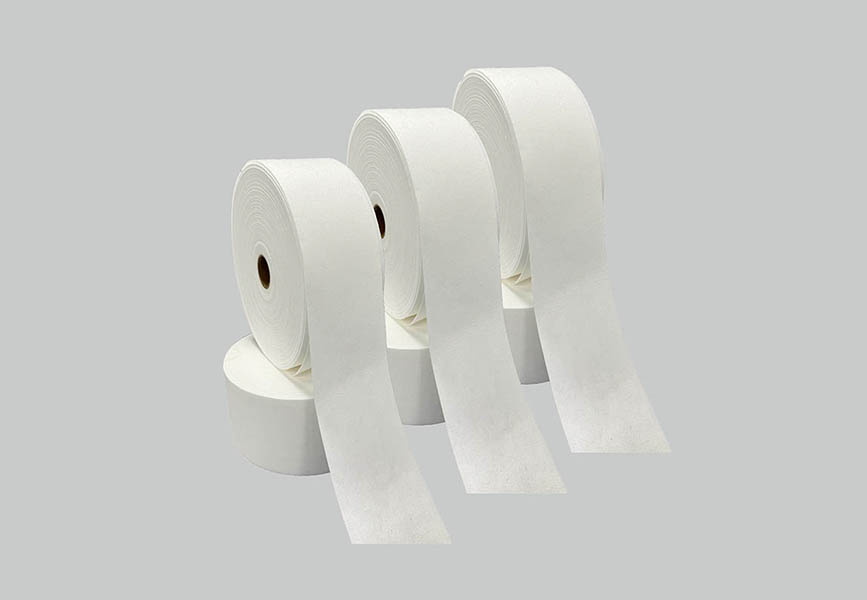
CPFL is a hydrophilic fibrous fabric. When attached to the formwork, it drains excess water and air from the surface of freshly poured concrete, reducing the water-cement ratio (W/C). This enhances the concrete's strength and abrasion resistance. Additionally, it ensures the concrete maintains high humidity during curing, minimizes cracking risks and micro-cracks, and significantly reduces blowholes.
CPFL is typically used in precast concrete components for high-speed rail tracks, highway tunnels, piers of cross-sea bridges, airport runways, subsea tunnels, port locks, river embankments, etc.
The standard stock width is 1.5 meters. Custom widths are available, such as 14cm, 140cm, 170cm, 180cm, 200cm, etc. It can also be produced according to customer-specified widths.
The fabric allows water and air to pass through while blocking cement particles when in contact with concrete. The fuzzy layer (called the padding layer) in contact with the formwork retains water while remaining breathable. Its water retention capacity exceeds 0.45L/m², and its drainage capacity exceeds 3L/m². Excess water and gases are expelled, retaining optimal moisture to keep the concrete in a damp environment.
Filament geotextile is a polyester filament needle-punched nonwoven geotextile. It contains no chemical additives and undergoes no thermal treatment, making it an eco-friendly building material. It exhibits excellent heat and light resistance. Even after short-term exposure to temperatures up to approximately 20°C, its properties remain virtually unchanged.
Staple-fiber geotextile is a nonwoven industrial fabric made from crimped polyester staple fibers through processes including fiber opening, carding, web laying, and needle punching. It is primarily used for railway subgrade reinforcement, road maintenance, hydraulic engineering isolation, and environmental protection applications. The fabric delivers isolation, filtration, drainage, and reinforcement functions.
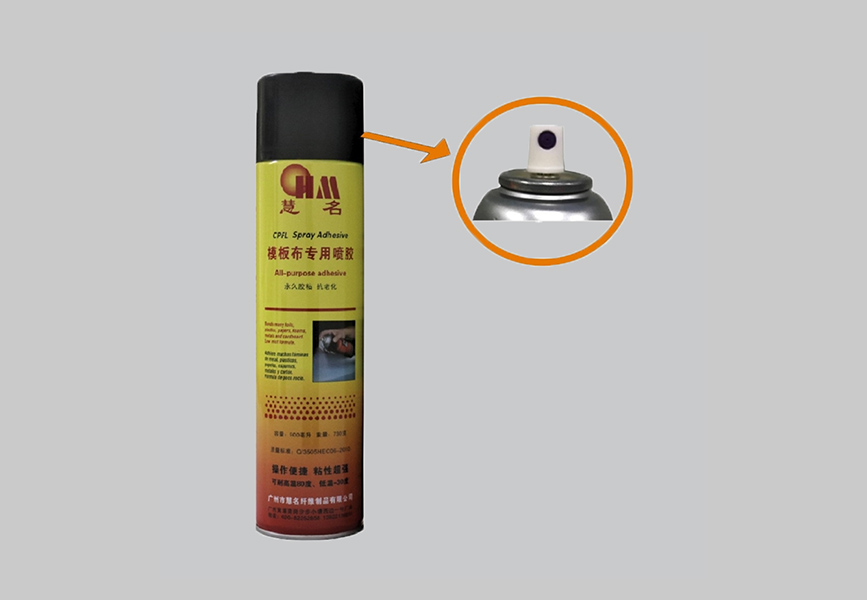
CPFL formwork liner dramatically minimizes concrete defects and corrosion, simplifies reusable installation, and lowers costs. It delivers superior surface quality and durability for demanding construction projects.