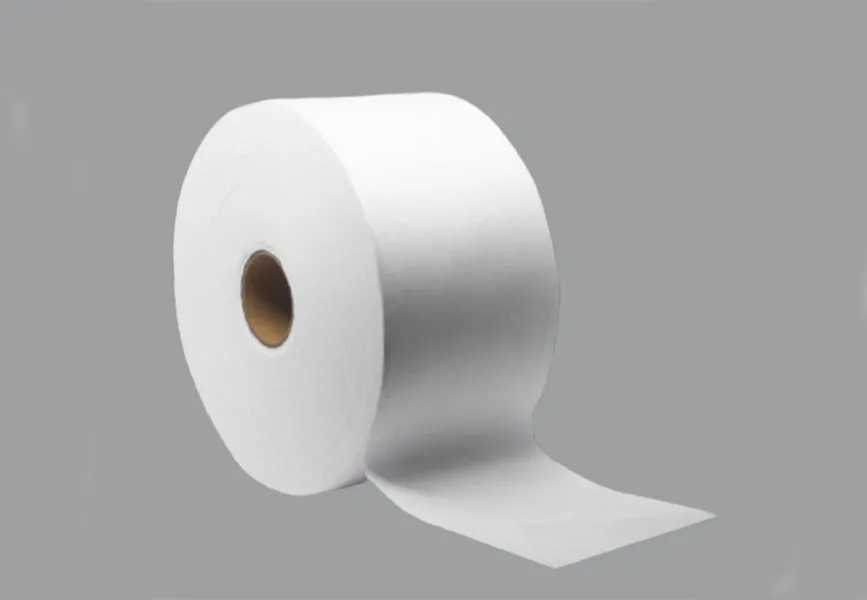
Nonwovens are textile-like materials formed by bonding, interlacing fibers, or knitting them together, without the traditional weaving or knitting processes. In healthcare, nonwovens have become indispensable components due to their unique properties and versatility. They can be made from various polymers such as polypropylene, polyester, and polyethylene, which can be engineered to meet specific medical requirements.
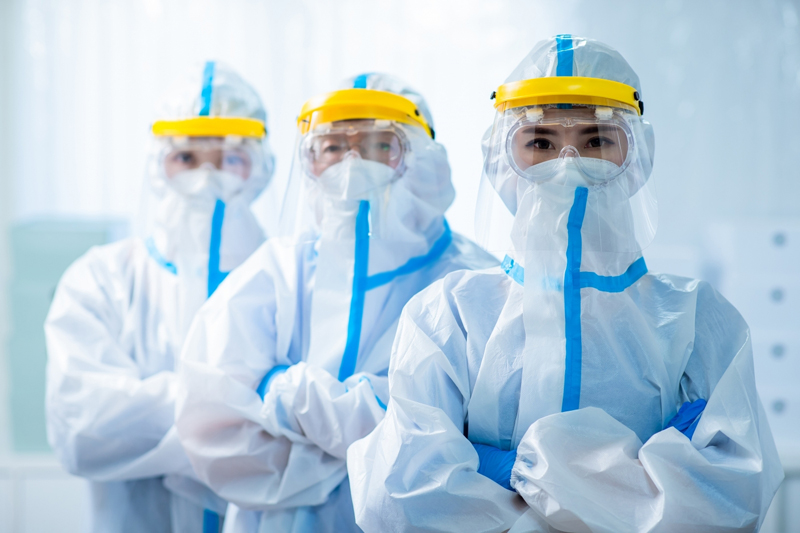
The importance of nonwovens in healthcare lies in their ability to provide essential functions for patient care and medical procedures. They are used in a wide range of applications, from personal protective equipment (PPE) for healthcare workers to medical dressings for patients. Their role in preventing the spread of infections, protecting patients from contaminants, and providing comfort during treatment cannot be overstated.
Hygiene and Infection Control
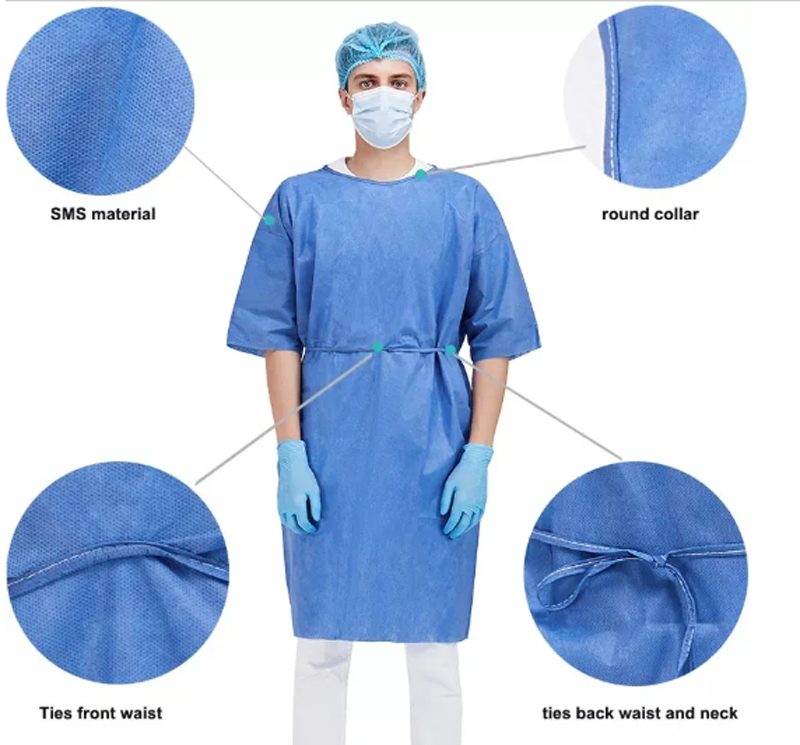
Nonwovens offer excellent hygiene properties. Their fibrous structure can be engineered to trap particles, bacteria, and viruses, reducing the risk of cross-contamination. Medical masks, gowns, and drapes made from nonwovens act as barriers, preventing the transfer of pathogens between patients, healthcare providers, and the environment. Additionally, nonwovens can be easily sterilized using methods such as gamma irradiation or ethylene oxide, ensuring they meet strict medical hygiene standards.
Cost-effectiveness
Compared to traditional woven fabrics, nonwovens are generally more cost-effective to produce. The non-weaving process requires fewer steps and less energy, reducing production costs. Moreover, nonwovens are often disposable, eliminating the need for costly laundering and maintenance. This makes them an economical choice for healthcare facilities, especially when large quantities of protective gear and medical supplies are needed.
Customizability
Nonwovens can be tailored to specific medical needs. Their fiber composition, thickness, porosity, and strength can be adjusted during the manufacturing process. For example, wound dressings can be designed to be highly absorbent for heavy exudate wounds or breathable for superficial wounds. This customizability allows nonwovens to be used in a diverse range of medical applications, enhancing their effectiveness.
Advanced Manufacturing Technology
Huiming Company is equipped with state-of-the-art manufacturing technology. Their production lines incorporate the latest advancements in nonwoven processing, such as high-precision extrusion, efficient fiber bonding, and automated quality control systems. This ensures that the nonwoven products produced are of consistent quality, meeting and often exceeding international medical standards.
Diverse Product
The company offers a wide variety of nonwoven products for the healthcare industry. From high-quality medical masks and surgical gowns to advanced wound dressings and filtration materials, Huiming's product range can meet the different needs of various medical institutions. Their ability to provide a comprehensive product portfolio makes them a one-stop shop for healthcare nonwoven requirements.
Strong R&D Capability
Huiming Company invests heavily in research and development. Their team of experienced scientists and engineers is constantly exploring new materials, manufacturing techniques, and product applications. This enables them to stay at the forefront of the nonwoven industry, developing innovative products that address emerging healthcare challenges, such as new types of PPE for highly contagious diseases.
The future of nonwovens in healthcare workers' protection is promising, with several emerging trends and innovations. One trend is the development of smart nonwovens. These materials will be integrated with sensors and other intelligent components to monitor factors such as temperature, humidity, and exposure to harmful substances. For example, smart medical masks could alert healthcare workers when they need to be replaced due to saturation or when the filtration efficiency has decreased.
Another area of innovation is the use of biodegradable and sustainable nonwoven materials. As environmental concerns grow, there is an increasing demand for nonwovens that can be easily disposed of without causing long-term harm to the environment. Biodegradable nonwovens made from natural polymers or recycled materials will become more prevalent, reducing the environmental impact of medical waste.
In addition, there will be a focus on improving the comfort and performance of nonwoven PPE. New fiber blends and fabric structures will be developed to make protective gear more breathable, lightweight, and flexible, while still maintaining high levels of protection. This will enhance the usability of PPE, encouraging healthcare workers to wear it properly and for longer periods, ultimately improving overall infection control.