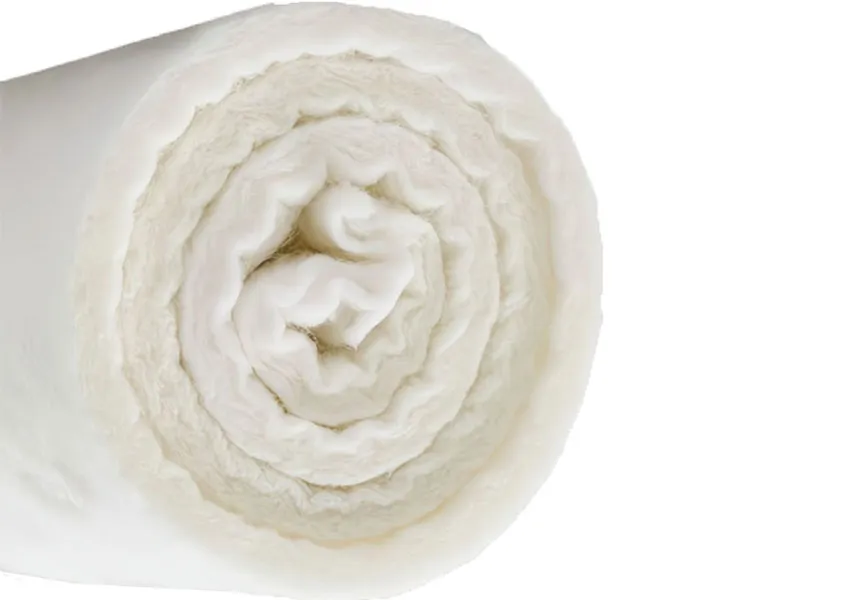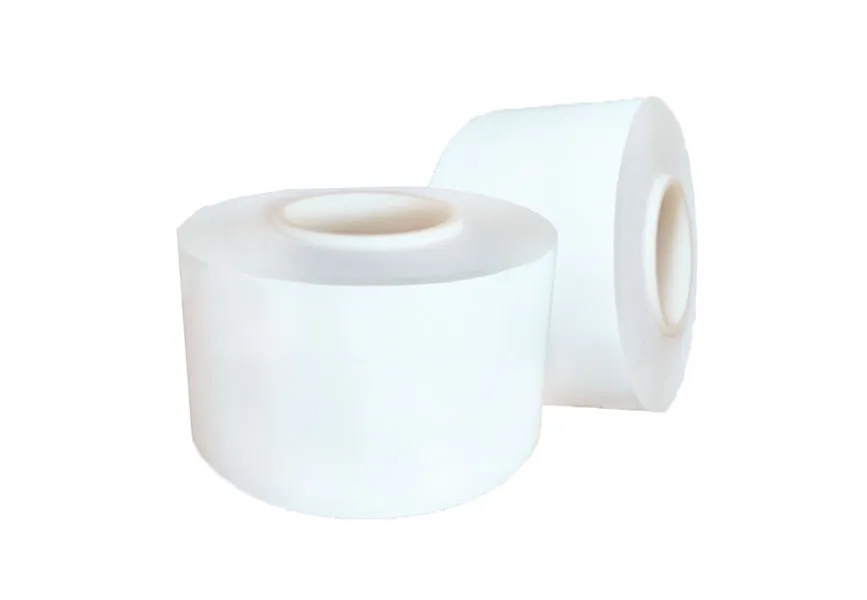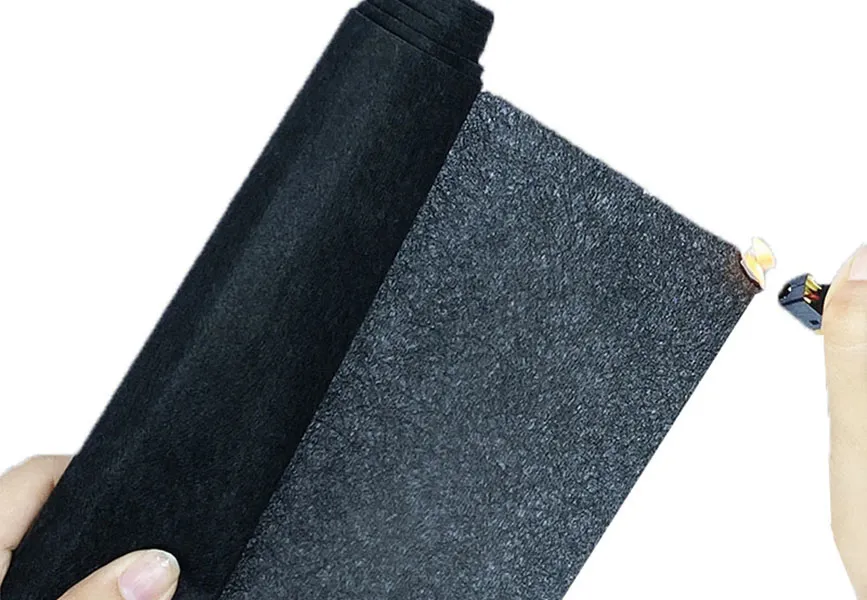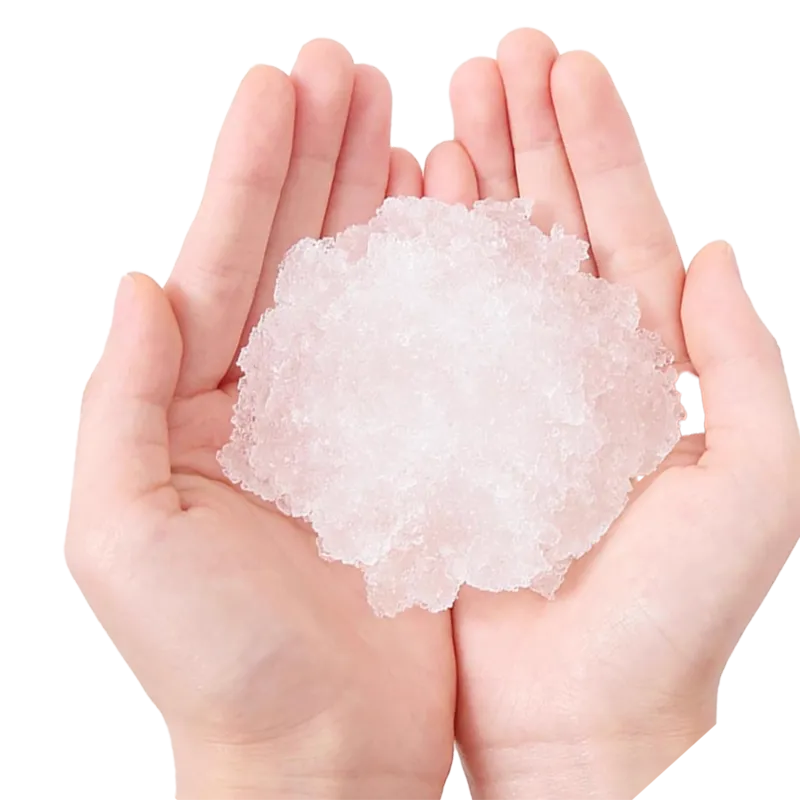
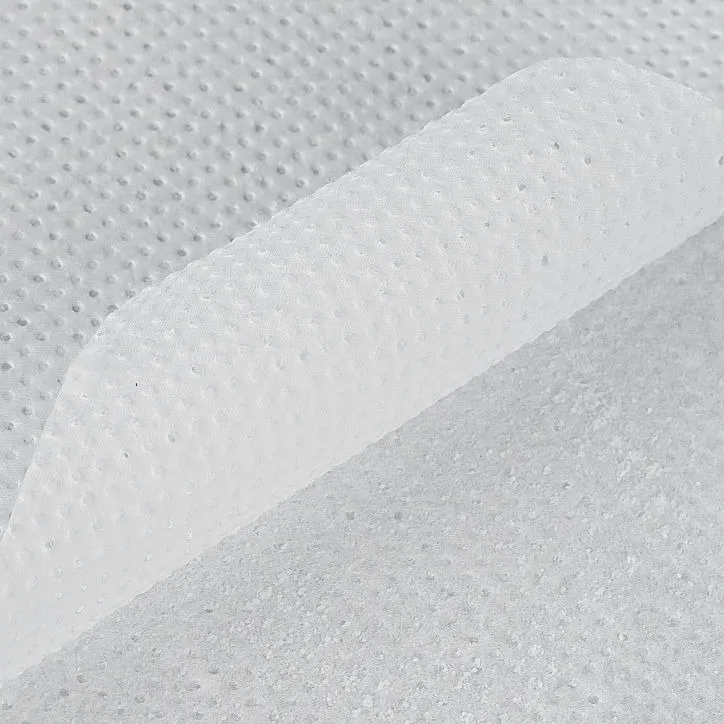
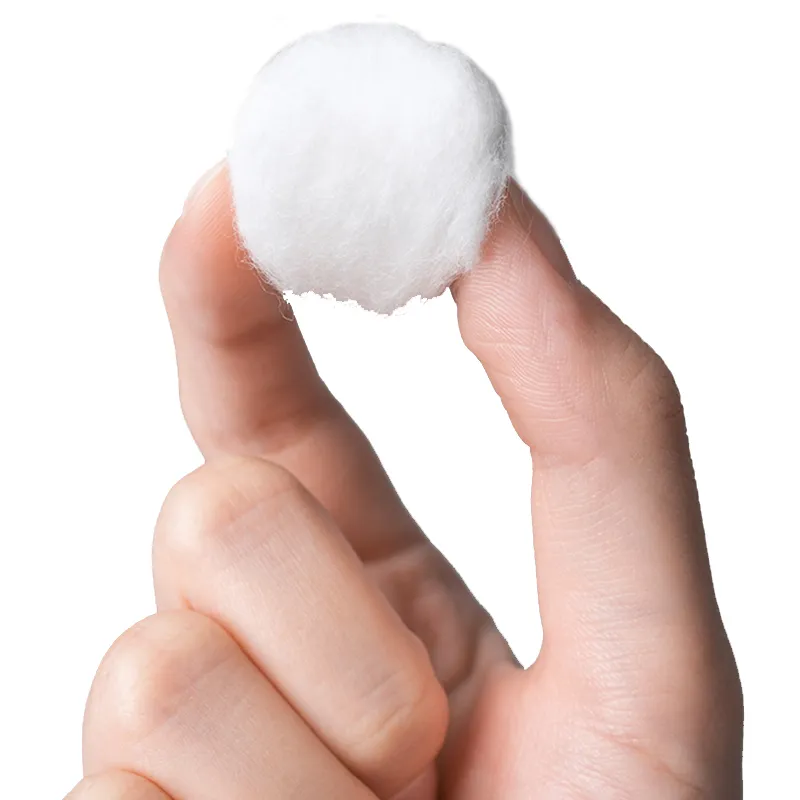
Seaweed Fiber Needle Punched Cotton integrates the exceptional properties of seaweed-derived alginate fibers with needle-punched nonwoven technology. Sourced from brown algae (e.g., Laminaria japonica), the core alginate material exhibits excellent biocompatibility and full biodegradability. Through mechanical needle-punching, fibers are interlocked into a lofted, open-cell matrix that enhances fluid management and breathability. The binder-free physical consolidation eliminates chemical irritants, making it ideal for sensitive wound beds and compromised skin.
| Physical Properties | |
| Basis Weight | 40~200 g/m² |
| Thickness | 1~5 mm |
| Fluid Uptake Capacity | ≥10x self-weight (in saline) |
| Air Permeability | 500~2000 mL/(cm²·s) |
| Tensile Strength | MD: ≥15 N/cm |
| Porosity | 70%~90% |
| Biomedical Properties | |
| PH Value | 6.5-7.5 (skin-compatible) |
| Antimicrobial Rate | ≥70% (e.g. S. aureus inhibition) |
| Cytotoxicity | ISO 10993-5 compliant (non-cytotoxic) |
| Hemostasis Time | ≤3 min (animal model) |
Maintains optimal moist microenvironment, suppressing scab formation and reducing hypertrophic scarring.
Non-adherent gel interface prevents trauma during removal (Pain Scale reduction).
Compatible with antimicrobial/anti-inflammatory enhancers, such as ionic silver, chitosan.
Rapid exudate absorption with in situ gel formation via ion exchange, maintaining optimal moist wound environment to accelerate epithelialization.
Calcium ion release activates platelet aggregation, while inherent alginate bacteriostasis reduces infection risk.
Gel matrix facilitates fibroblast migration and ECM deposition, accelerating granulation tissue formation.
1. Chronic Wounds: Diabetic ulcers, stage III-IV pressure injuries.
2. Postoperative Care: Surgical incision management
3. Burn Management: Partial-thickness thermal injuries
4. Hemostasis: Dental alveoli hemostasis post-extraction