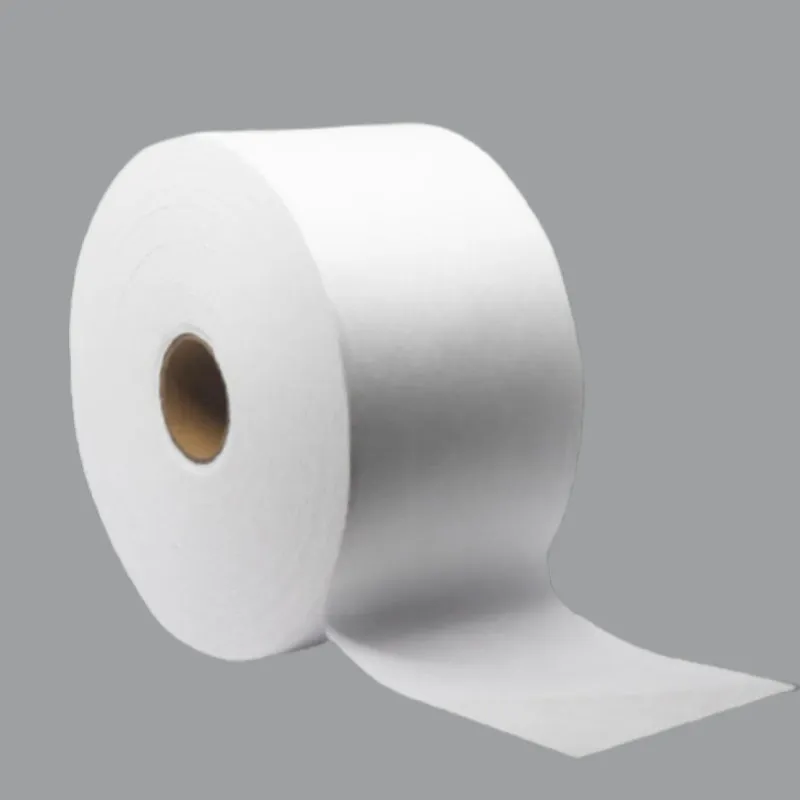
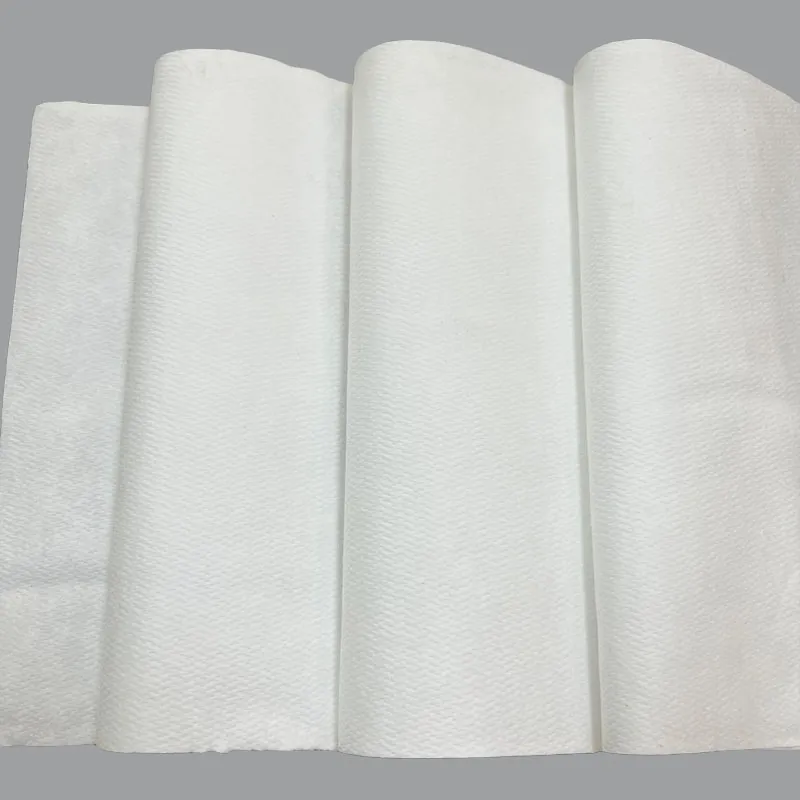
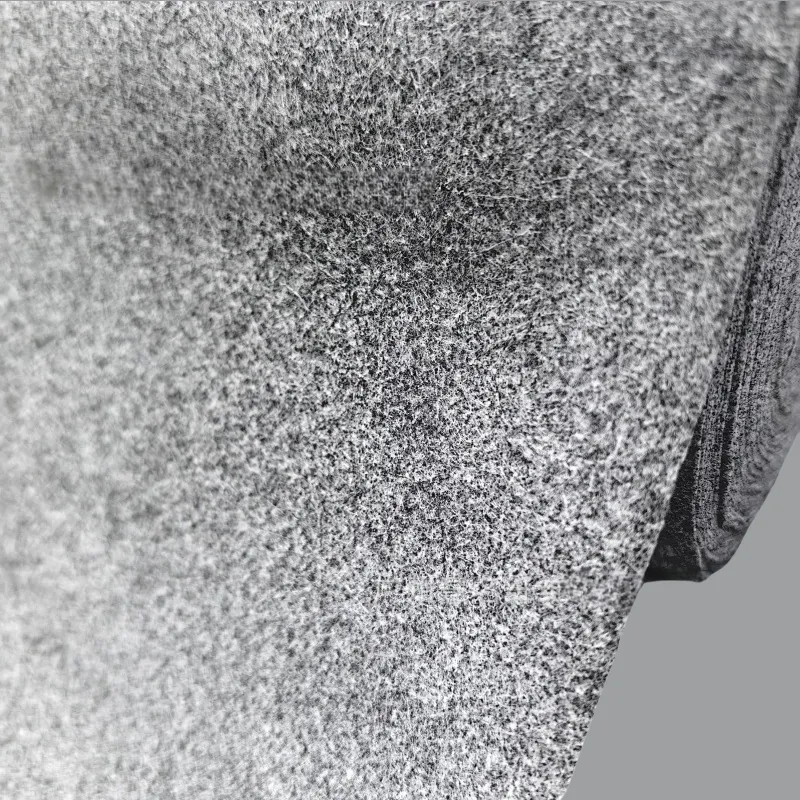
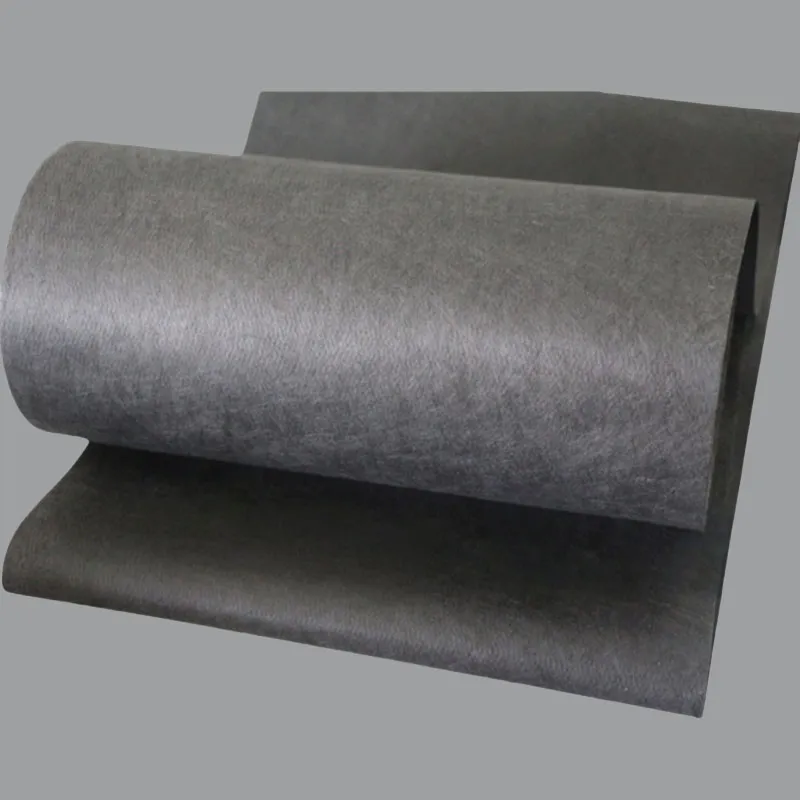
Melt-blown Nonwoven Fabric is a type of non-woven material primarily made from polypropylene (PP). It is produced through a process where polymer pellets are melted at high temperatures, extruded into ultra-fine fibers via high-velocity air streams, and then bonded through self-adhesion or thermal calendering. The fibers typically measure 1-5 microns in diameter, featuring a high porosity, dense fiber structure, and exceptional filtration efficiency. It serves as the core material for products such as medical masks, air filtration media, and liquid adsorption materials.
| Product Name | Meltblown Nonwoven Fabric | |||
| NO. | Test items | Unit | Measurement | Test method |
| 1 | Basis Weight | g/㎡ | 30±4 | ISO 9073-1-1989 |
| 2 | Thickness | mm | 0.2±0.05 | ISO 9073-2-1995 |
| 3 | Pressure Grop | Pa | ≤34 | ISO 29463 |
| 4 | (0.3μm) Filter Efficency | % | ≥99.97 | ISO 29463 |
High Porosity
Fine Fiber Structure
Superior Filtration Efficiency
1. Medical Protection
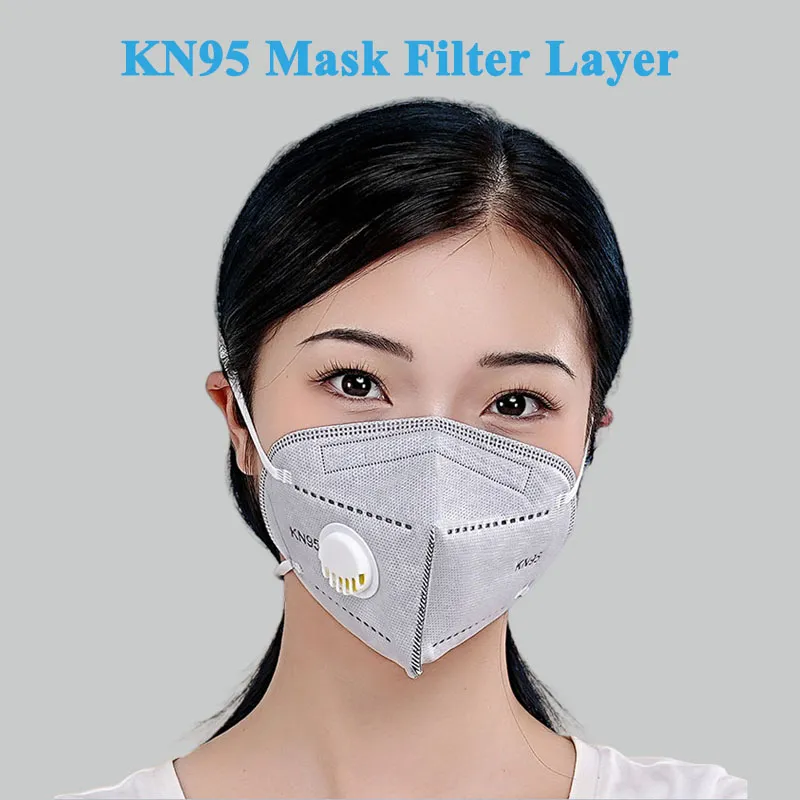
Medical Face Cover: Middle filtration layer
Protective Clothing: Barrier gowns, surgical drapes
Sterilization Wraps: Autoclave packaging
2. Air Filtration
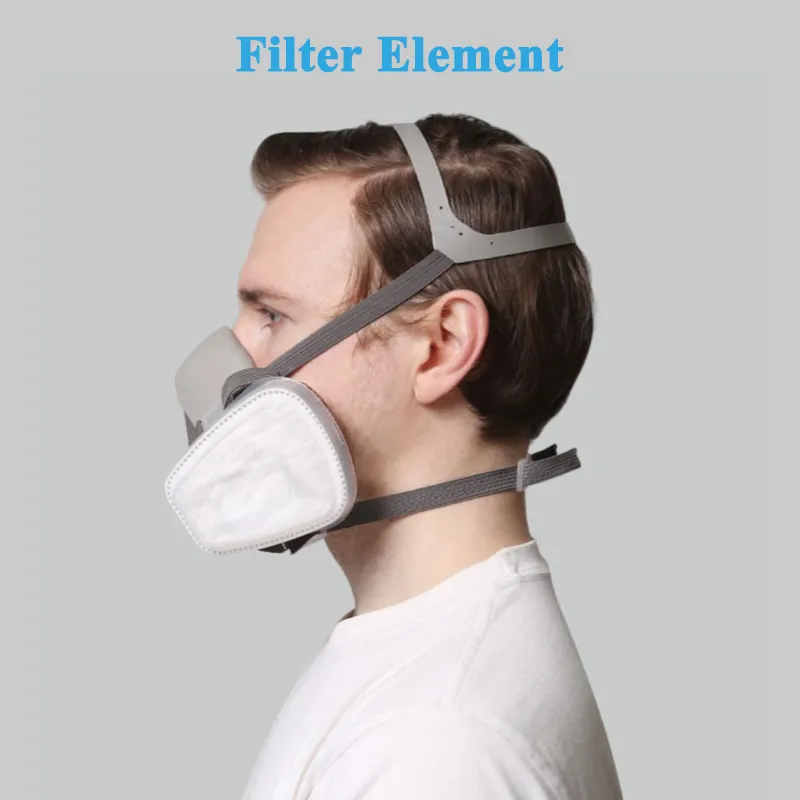
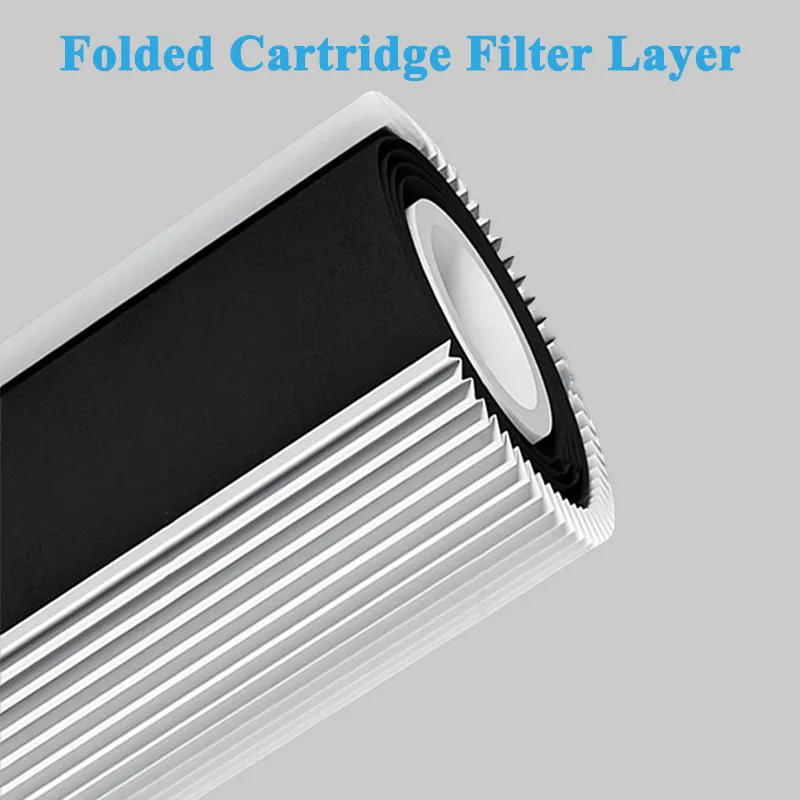
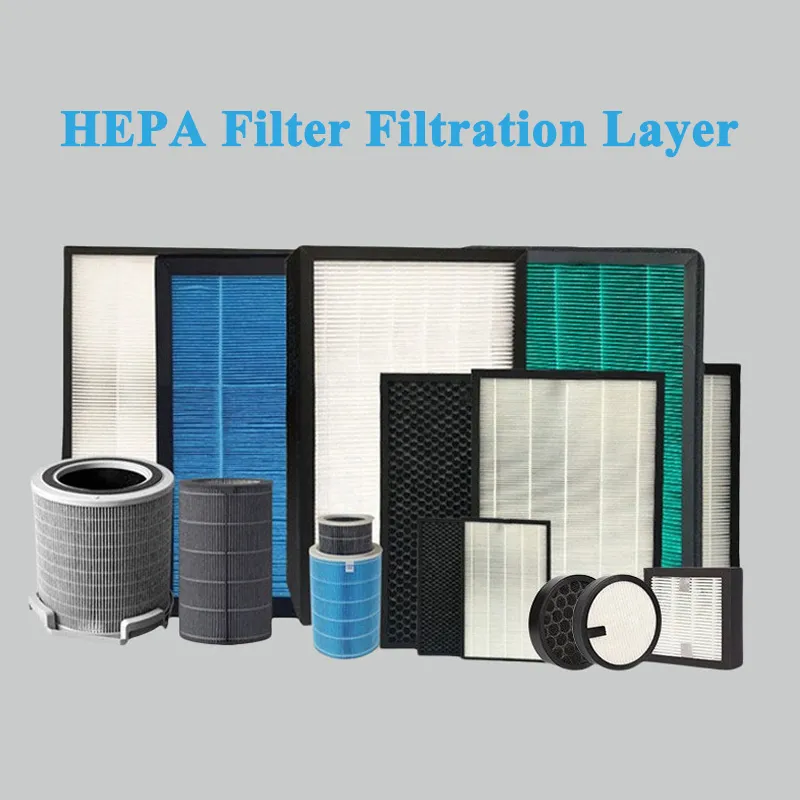
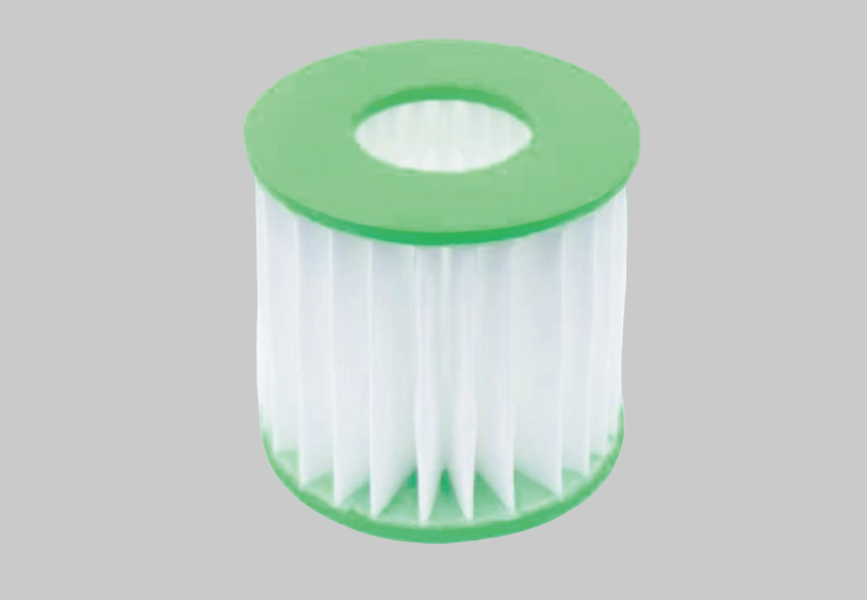
HEPA Filters: High-Efficiency Particulate Air
HVAC Systems: Air conditioner filters
Automotive Filters: Engine air intake filters
3. Liquid Filtration
Oil-Water Separation: Hydrophobic media for industrial wastewater treatment
Oil Absorbents: Spill response mats, absorbent pads
4. Industrial Applications
Battery Separators: Lithium-ion battery components
Sound & Thermal Insulation: Automotive engine compartments, building insulation
Flame-Retardant Materials: Automotive interior soundproofing.