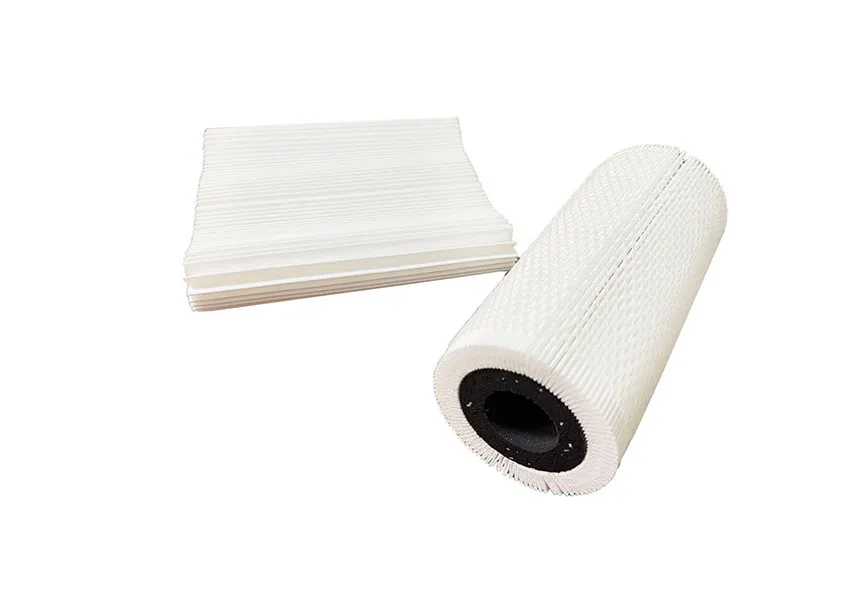
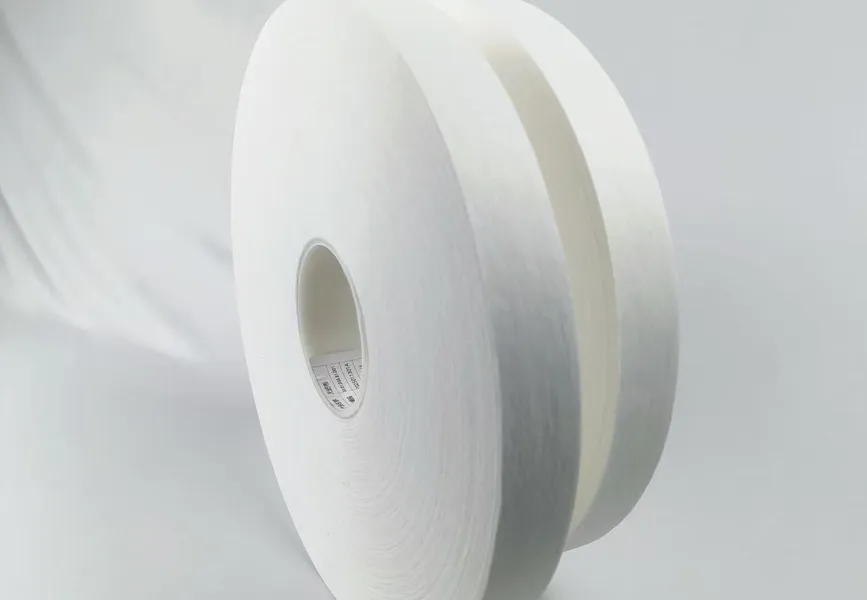
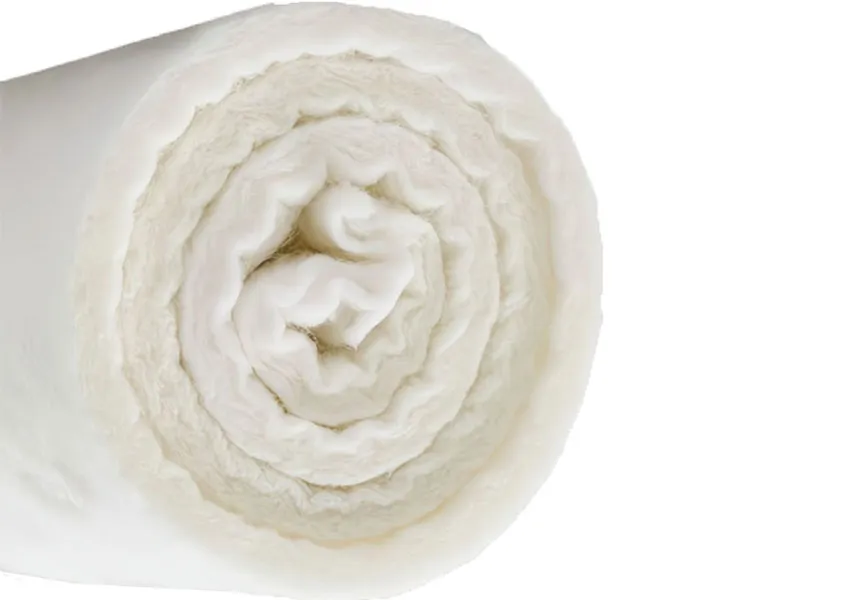
Choosing between oil filter cloth and fuel filter paper depends on the filtration environment, fluid characteristics, operating temperature, pressure conditions, and required service life. Fuel filter paper is commonly used for disposable fuel filtration applications, while oil filter cloth is often selected for industrial filtration systems requiring durability, repeated use, and customized filtration performance.
For manufacturers and OEM buyers, the right filter media should be selected based on the complete filtration system rather than material cost alone.
The primary difference is the material structure and intended application.
Fuel filter paper is usually made from specially treated cellulose or synthetic fibers. It provides efficient particle capture and is widely used in automotive fuel filtration systems where filters are replaced regularly.
Oil filter cloth is a woven or non woven filtration material designed for applications requiring mechanical strength, chemical resistance, and stable filtration performance under demanding conditions.
| Feature | Oil filter cloth | Fuel filter paper |
|---|---|---|
| Material structure | Woven or nonwoven fabric | Cellulose or synthetic filter paper |
| Main advantage | Durability and customization | High filtration efficiency and cost efficiency |
| Typical application | Industrial oil filtration, hydraulic systems, lubricants | Fuel systems, disposable filters |
| Service life | Often suitable for longer operation | Usually designed for replacement cycles |
| Cleaning ability | Some types can be cleaned and reused | Generally disposable |
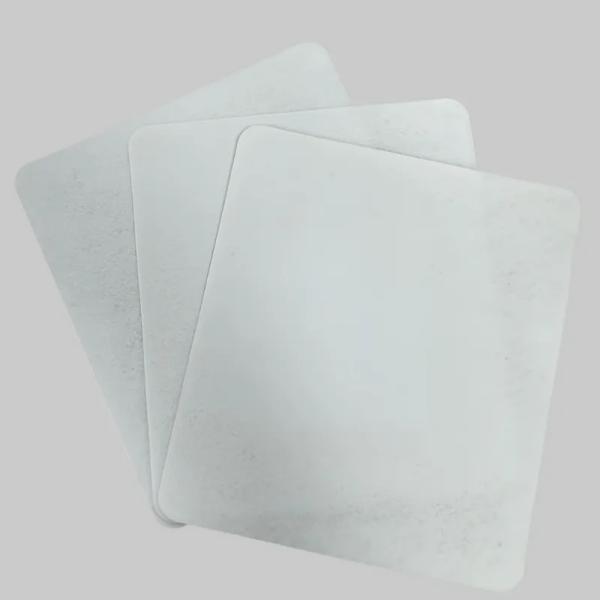
Oil filter cloth is suitable for applications where filtration conditions are more demanding, including:
Industrial lubricating oil filtration
Hydraulic oil filtration
Machinery oil purification
Metalworking fluid filtration
Heavy-duty equipment filtration
The advantages of oil filter cloth include:
Industrial filtration systems often operate under pressure and continuous flow conditions. A strong filter cloth structure helps maintain dimensional stability and prevents media failure.
Oil-based fluids may contain additives, contaminants, and chemicals that can affect filter performance. Properly selected filter cloth materials provide better resistance to harsh operating environments.
Manufacturers can customize:
Filtration rating
Fabric thickness
Weight
Air or liquid permeability
Roll width and processing format
This flexibility makes oil filter cloth suitable for specialized OEM filtration solutions.
Fuel filter paper remains a popular choice because it provides efficient filtration in compact filter designs.
Key advantages include:
Fine particle filtration capability
Lightweight structure
Stable performance in fuel systems
Cost-effective mass production
Many fuel filter paper manufacturers develop materials with enhanced wet strength and resin treatment to improve durability when exposed to gasoline, diesel, and other fuels.
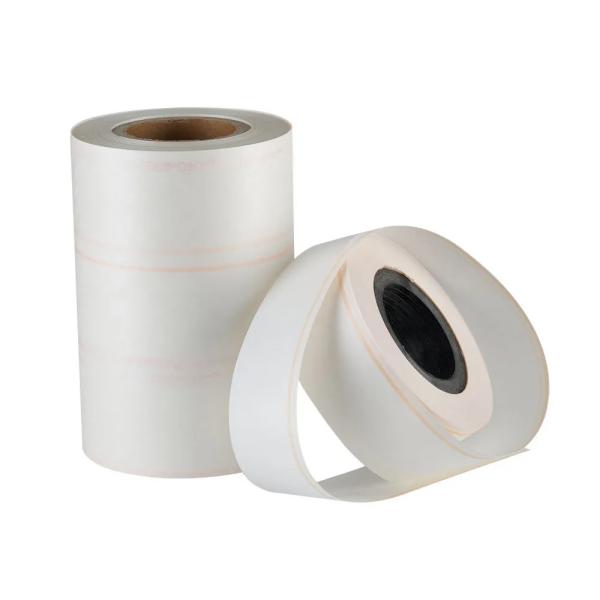
The selection should be based on several technical factors:
If the application requires precise removal of small contaminants, the pore structure and filtration efficiency must be carefully evaluated.
Consider:
Temperature range
Fluid type
Pressure conditions
Chemical exposure
Continuous operating time
Oil filter cloth is often preferred for harsh industrial conditions, while fuel filter paper is commonly selected for standardized fuel filtration systems.
Disposable fuel filters typically use filter paper because replacement is simple and economical.
For industrial systems where downtime and maintenance costs are important, reusable or long-life oil filter cloth may provide better value.
When sourcing fuel filter media, buyers should evaluate supplier capabilities, including:
Raw material quality control
Filtration performance testing
Customization options
Production consistency
Delivery reliability
Experienced fuel filter paper manufacturers should be able to provide technical data such as:
Filtration efficiency
Thickness and weight specifications
Pressure resistance
Chemical compatibility information
In some applications, oil filter cloth can replace fuel filter paper, but the choice depends on the filtration system design.
Fuel systems often require compact, disposable filter elements optimized for specific flow rates and particle removal levels. Industrial oil filtration systems may benefit more from the durability and customization advantages of oil filter cloth.
A proper replacement decision requires testing the filter media under actual operating conditions.
Generally, oil filter cloth can provide longer service life in industrial applications because it is designed for mechanical durability and repeated operation.
However, service life depends on:
Contaminant concentration
Fluid properties
Operating temperature
Cleaning method
Filter design
The most suitable media is the one that maintains stable filtration performance throughout the required operating cycle.
Both oil filter cloth and fuel filter paper play important roles in modern filtration systems. Fuel filter paper is ideal for standardized, disposable fuel filtration applications, while oil filter cloth provides greater flexibility, durability, and customization for industrial oil filtration.
For OEM buyers, selecting the right filter media requires analyzing operating conditions, filtration targets, and long-term performance requirements. Working with an experienced filtration material supplier helps ensure reliable quality and improved filtration efficiency.
Oil filter cloth is mainly used for industrial oil filtration, hydraulic systems, lubrication systems, and applications requiring durable filtration materials.
Neither material is universally better. Fuel filter paper is suitable for disposable fuel filters, while oil filter cloth is better for demanding applications requiring strength and customization.
Important factors include fiber material, filtration accuracy, thickness, permeability, chemical resistance, and operating conditions.
Manufacturers improve performance through fiber selection, resin treatment, surface modification, and controlled production processes to enhance filtration efficiency and durability.