Choosing between non woven fabric tea bags and coffee filter materials depends on the brewing method, filtration requirements, heat resistance, food-contact safety, and desired consumer experience. Tea bag applications typically require lightweight, heat-sealable, fine filtration materials that allow rapid infusion, while coffee filters focus more on particle retention, flow control, and oil filtration.
For food and beverage manufacturers, selecting the right tea bag fabric or filter media requires evaluating material structure, performance consistency, and compliance with food-contact standards.
The main difference lies in their filtration purpose and processing requirements.
Non woven fabric tea bags are designed to allow water penetration while retaining tea leaves, herbs, and fine particles inside the bag. They need excellent wet strength, sealing performance, and infusion efficiency.
Coffee filter materials are mainly designed to control extraction flow and separate coffee grounds from brewed coffee. They usually require different pore structures and filtration characteristics.
| Feature | Non woven fabric tea bags | Coffee filter materials |
|---|---|---|
| Main function | Tea infusion and particle retention | Coffee extraction and sediment filtration |
| Material structure | Fine fiber nonwoven layers | Paper or specialized filter media |
| Key requirement | Water permeability and heat sealing | Flow control and filtration accuracy |
| Common applications | Tea bags, herbal tea, functional beverages | Drip coffee, brewing systems |
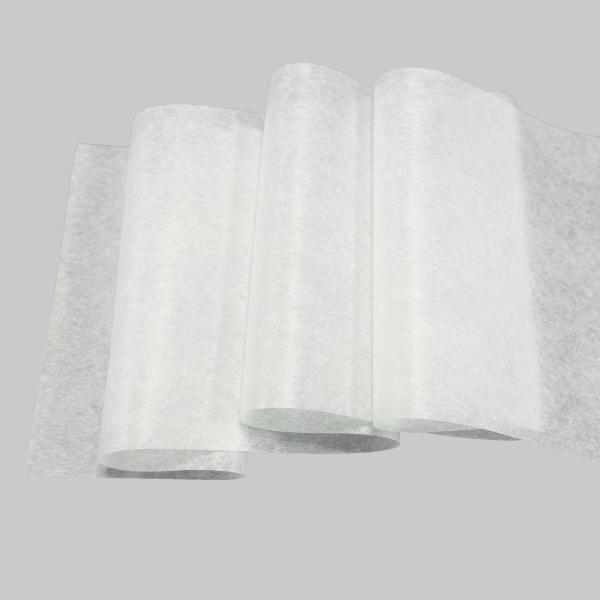
Non woven fabric tea bags are widely used because they provide a balance of strength, transparency, and brewing performance.
Key advantages include:
Fast infusion: The open fiber structure allows water to flow through efficiently.
Strong sealing performance: Many nonwoven tea bag materials can be heat sealed without adhesives.
Low fiber shedding: Properly manufactured materials maintain product integrity during brewing.
Consistent quality: Roll-based production supports high-speed automated tea bag manufacturing.
Compared with traditional paper tea bags, modern tea bag fabric can provide better durability and a cleaner brewing experience for premium tea products.
Food-grade tea bag fabric is commonly produced from materials such as polypropylene (PP) nonwoven, PLA-based biodegradable fibers, or other food-contact approved materials.
The ideal material depends on:
Required biodegradability level
Brewing temperature
Product shelf life
Packaging process
Target market regulations
For OEM tea manufacturers, material selection should consider both consumer expectations and production requirements.
Selecting food-contact filter media requires evaluating several technical factors:
The material should meet applicable food-contact requirements for the target market. Manufacturers should confirm:
Raw material safety
Migration testing results
Production hygiene controls
Supplier quality certifications
The filter structure must match the product type.
For tea applications:
Prevent excessive tea dust leakage
Maintain good infusion speed
Allow flavor release
For coffee applications:
Control extraction speed
Retain coffee particles
Maintain beverage clarity
Tea bag production often uses high-speed heat sealing equipment. The filter material must maintain strength during sealing and brewing.
A suitable tea bag fabric should provide:
Stable sealing strength
Good thermal performance
Reliable production efficiency
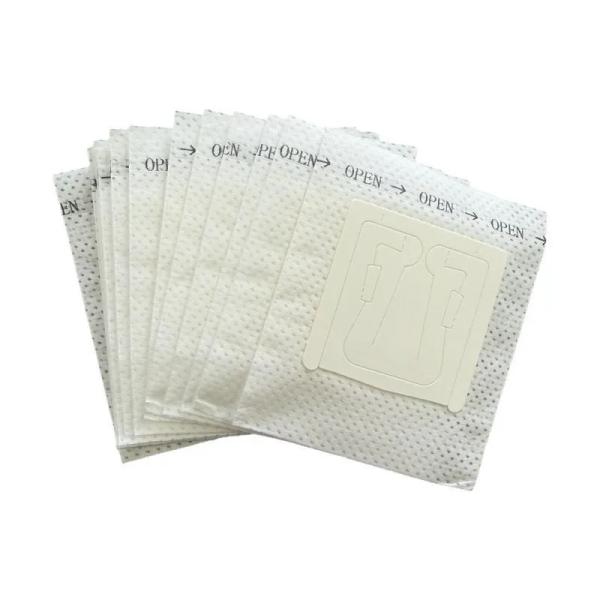
Yes. Many premium tea products use nonwoven materials because they support larger leaf tea, herbal blends, and specialty ingredients.
Compared with traditional small-pore filter papers, nonwoven tea bag materials can offer:
Better three-dimensional space for tea expansion
Improved water circulation
Enhanced extraction performance
Better visual appearance with transparent structures
Neither material is universally better; the choice depends on the product requirements.
Non woven fabric tea bags are often preferred for:
Premium loose-leaf tea
Pyramid tea bags
Herbal tea blends
High-speed automated production
Paper filters may still be suitable for traditional tea bags where cost efficiency and established production methods are priorities.
Before purchasing, OEM buyers should evaluate:
Is the material food-contact compliant?
What are the fabric weight and thickness options?
Does the material support heat sealing?
What is the filtration performance?
Can the supplier provide consistent batch quality?
Are customized sizes and specifications available?
A reliable supplier should provide technical support from material selection through final production.
Choosing the right food-contact filter media requires understanding the differences between non woven fabric tea bags and coffee filter materials. Tea bag applications require materials with excellent infusion performance, sealing ability, safety, and durability, while coffee filters focus more on extraction control and particle separation.
For beverage manufacturers, selecting a high-quality tea bag fabric supplier ensures stable production, improved product performance, and a better consumer brewing experience.
Food-grade non woven fabric can be safe for tea bags when it is manufactured from approved materials and meets relevant food-contact requirements.
Tea bag fabric is commonly made from food-grade polypropylene nonwoven or biodegradable materials such as PLA, depending on product requirements.
Premium tea bags often use nonwoven materials because they provide better water flow, durability, and space for tea leaves to expand during brewing.
Usually not. Tea and coffee require different filtration structures because their particles, extraction methods, and brewing processes are different.