Chitosan and alginate are two bio-based materials often discussed in wound care, absorbent dressings, healthcare materials, and skin-contact medical textile development. Both can be used in functional dressing systems, but they are not the same. Chitosan is commonly valued for film-forming ability, biological activity potential, and interaction with wound environments. Alginate is widely used when high fluid absorption, gel formation, and moisture management are important.
For manufacturers and B2B buyers, the main question is not simply which material is better. The better question is: which material fits the wound dressing structure, absorption target, skin-contact requirement, sterilization method, and production process? In many cases, chitosan or alginate may not work alone. They may be combined with nonwoven support layers, absorbent layers, barrier films, or composite structures to create a more complete medical dressing material.
This article explains why non woven fabrics are used in medical textiles, whether non woven fabric is safe or toxic for skin-contact applications, how to sterilize non woven fabric, and what are the end uses for non woven fabrics in wound care and healthcare materials.
Why are non woven fabrics used in medical textiles: Nonwoven fabrics are used because they can be engineered for softness, breathability, absorbency, barrier performance, cleanliness, and disposable healthcare applications.
Is non woven fabric safe: Nonwoven fabric can be safe for skin-contact applications when the material composition, finishing, cleanliness, biocompatibility, and end-use design are properly evaluated.
Is non woven fabric toxic: Nonwoven fabric is not automatically toxic or non-toxic. Safety depends on fiber type, additives, residues, coatings, sterilization method, and intended body contact.
How to sterilize non woven fabric: Medical nonwoven fabrics may be sterilized by methods such as ethylene oxide, gamma irradiation, electron beam, or steam, depending on material compatibility and product design.
What are the end uses for non woven fabrics: Medical nonwovens are used in wound dressings, bandages, surgical drapes, protective apparel, absorbent pads, wipes, masks, and healthcare packaging.
Chitosan and alginate nonwoven fabrics refer to nonwoven materials that incorporate chitosan, alginate, or related bio-based components into a fiber web, coating, composite layer, or dressing structure. These materials are often used in medical and healthcare product development because they can support absorbency, skin-contact comfort, moisture control, and functional wound dressing design.
Chitosan is derived from chitin, a natural polymer commonly associated with crustacean shells and other biological sources. In wound dressing applications, chitosan-based materials are often studied for properties such as moisture interaction, film formation, and biological compatibility. Chitosan may appear as fibers, films, coatings, hydrogels, sponges, or functional layers combined with a nonwoven substrate.
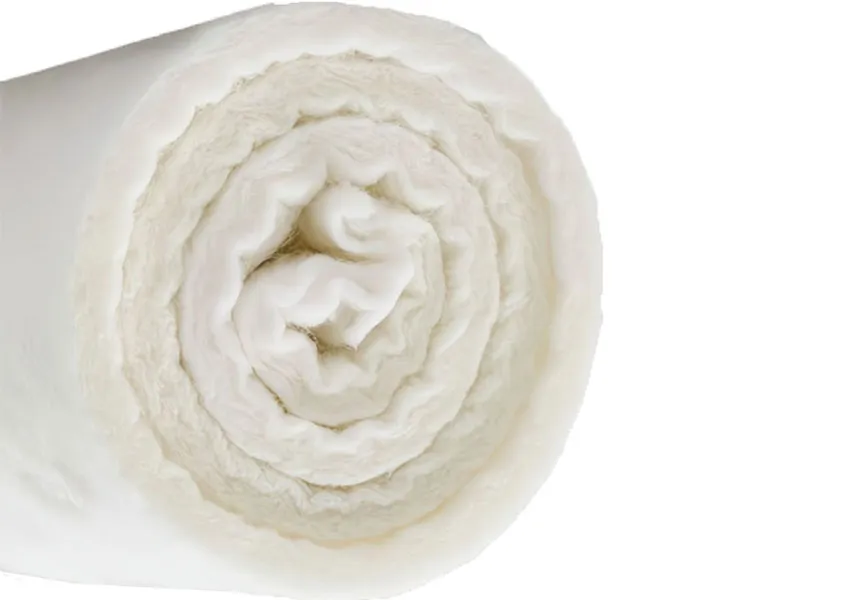
Alginate is usually derived from seaweed. In wound care, alginate materials are widely known for absorbing fluid and forming a gel-like structure when they interact with wound exudate. This makes alginate useful in dressings where fluid management and moist wound environment control are important.
A nonwoven structure can make these materials easier to convert and apply. Instead of using loose fibers or fragile gels alone, manufacturers can combine chitosan or alginate with a support layer, absorbent layer, or backing material. This helps improve handling, cutting, packaging, and placement in finished dressings.
For buyers, the term "chitosan nonwoven" or "alginate nonwoven" should be clarified carefully. It may refer to a pure fiber material, a coated fabric, a composite dressing layer, or a nonwoven carrier combined with a bio-based functional component. The final performance depends on the full structure, not only the material name.
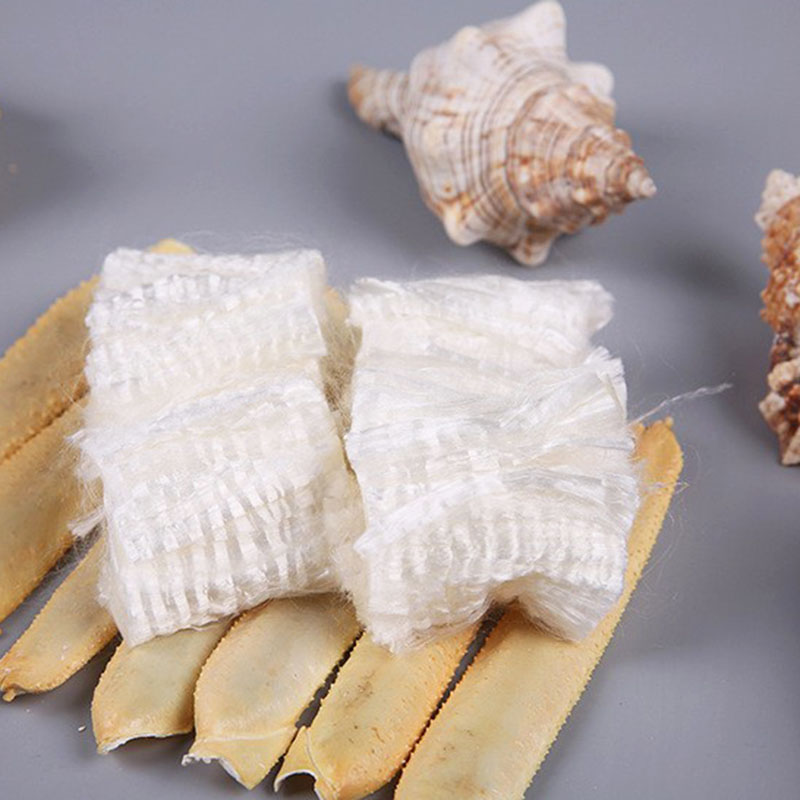
Non woven fabrics are widely used in medical textiles because they can be designed for specific healthcare functions. Unlike woven textiles, nonwovens are formed directly from fibers or filaments and bonded into a web. This gives manufacturers flexibility to adjust softness, breathability, absorbency, barrier properties, thickness, linting level, GSM, and strength.
In wound care, nonwoven materials can provide a soft contact surface, absorbent layer, support layer, or protective cover. In surgical and protective products, nonwovens can help provide barrier performance and disposable convenience. In hygiene and healthcare products, nonwovens can support fluid management, skin comfort, and cost-efficient production.
A key reason buyers choose medical non woven fabric is that medical products often need a controlled combination of comfort and function. A wound dressing may need to absorb exudate, remain comfortable on skin, avoid excessive linting, and maintain structure during use. A surgical drape may need fluid resistance and strength. A protective garment may need breathability, coverage, and barrier performance.
Nonwovens can also be used in multi-layer structures. For example, a dressing may include a skin-contact layer, an absorbent core, a distribution layer, and a backing layer. Chitosan or alginate may be used as a functional layer, while a nonwoven substrate provides strength and convertibility. This structure helps manufacturers balance performance requirements that a single material cannot meet alone.
For medical textile buyers, the key is to select the material based on application. A dressing for light exudate, a dressing for heavy exudate, a bandage, a surgical pad, and a protective cover may all use nonwovens, but the specifications should not be the same.
Chitosan and alginate nonwovens can both be used in medical dressing development, but their strengths are different. The best choice depends on the wound type, exudate level, skin-contact requirement, product structure, and sterilization compatibility.
Alginate is usually selected when absorption is a major requirement. Alginate-based dressings can interact with wound fluid and form a gel-like structure, helping manage exudate and maintain a moist environment. This makes alginate useful for dressings designed for moderate to heavy fluid management.
Chitosan is often selected when a dressing requires bio-based functionality, film-forming behavior, and controlled material interaction with the wound environment. Chitosan may be used in coatings, fibers, sponges, or composite structures. It can also be combined with other materials when the dressing needs a balance of flexibility, support, and functional performance.
The comparison below gives a practical overview:
Comparison Item | Chitosan Nonwoven / Chitosan-Based Layer | Alginate Nonwoven / Alginate-Based Layer |
Common source | Chitin-derived polymer | Seaweed-derived polymer |
Main dressing value | Functional bio-based layer, film-forming potential, material interaction | High absorbency, gel formation, moisture control |
Fluid management | Depends on structure and formulation | Usually strong for exudate absorption |
Skin-contact use | Requires evaluation by formulation and finishing | Requires evaluation by formulation and dressing structure |
Typical structure | Coating, fiber layer, sponge, composite layer | Fiber layer, absorbent pad, gel-forming dressing layer |
Best-fit direction | Functional wound dressing materials | Absorbent wound dressing materials |
Both materials may require nonwoven support. A highly absorbent alginate layer may need a stronger backing. A chitosan coating may need a stable carrier fabric. A dressing may also include films, adhesives, release liners, packaging, or additional absorbent layers.
For buyers developing a non woven fabric for medical use, it is important to define the target function first. If the dressing needs high absorption, alginate may be considered. If the product needs a bio-based functional layer, chitosan may be considered. If the product needs both absorption and structural stability, a composite design may be more suitable.
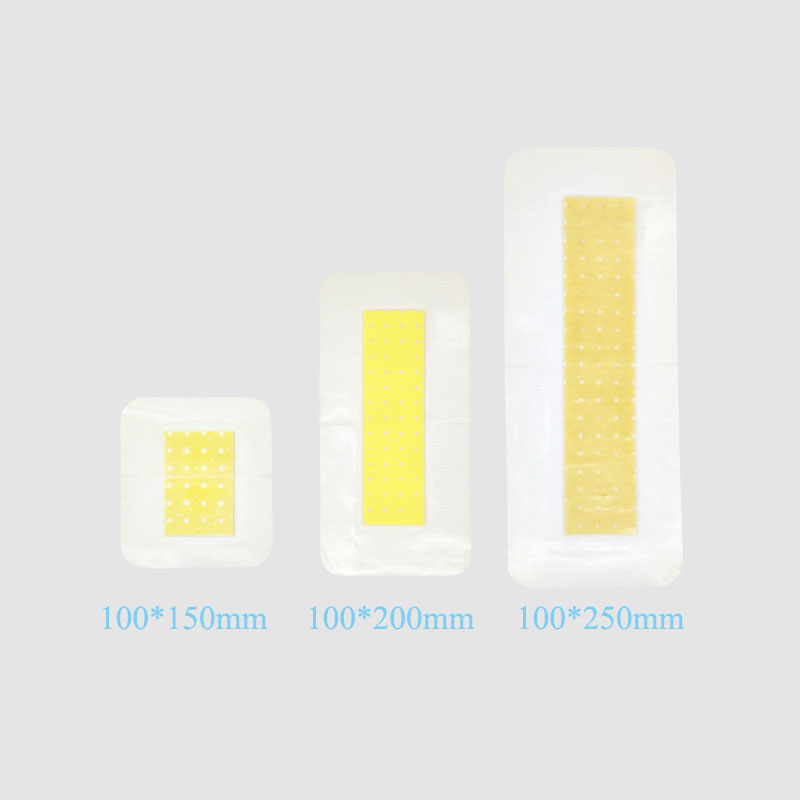
Non woven fabric can be safe for skin-contact applications, but safety should be evaluated through material composition, finishing chemistry, residues, cleanliness, intended use, and contact duration. A fabric should not be treated as safe or toxic only because it is nonwoven.
The question "is non woven fabric safe" depends on what the fabric is made of and how it will be used. A polypropylene nonwoven used as a protective layer, a viscose nonwoven used in wipes, an alginate dressing layer, and a chitosan-coated medical material may all have different safety profiles. The same is true for additives, binders, coatings, surfactants, colorants, antimicrobial treatments, and sterilization residues.
The question "is non woven fabric toxic" also needs context. Toxicity risk may come from raw material impurities, chemical residues, unsuitable additives, poor washing or drying control, coating instability, or incorrect sterilization processing. For skin-contact and wound-contact materials, buyers should pay attention to irritation, sensitization, cytotoxicity, extractables, residues, odor, linting, and cleanliness.
For medical device materials, a biocompatibility assessment is commonly used to evaluate biological risks based on body contact type and duration. This is especially important when the fabric will contact skin, breached skin, wounds, or body fluids.
A practical safety checklist for medical nonwovens includes:
Fiber type and material composition
Additives, coatings, binders, or functional finishes
Skin-contact or wound-contact category
Contact duration
Residual chemicals after processing
Linting and particle release
Odor and color stability
Sterilization compatibility
Packaging cleanliness
Batch consistency and quality control
For B2B buyers, choosing a medical non woven fabric factory is not only about price or roll width. It is also about whether the supplier can support material selection, sample testing, batch stability, customization, and documentation for the intended medical or healthcare product.
Medical nonwoven fabric may be sterilized by different methods depending on material composition, thickness, packaging, product structure, and intended use. Common sterilization methods include ethylene oxide, gamma irradiation, electron beam, and steam sterilization. Not every nonwoven fabric can tolerate every method.
Ethylene oxide is often used for medical products that are sensitive to heat or moisture. It can be compatible with many polymer-based products, but residual control and aeration are important after processing. Gamma irradiation and electron beam sterilization can be effective for certain materials, but they may affect polymer strength, color, odor, or surface properties. Steam sterilization uses heat and moisture, which may not be suitable for some nonwoven fabrics, coatings, films, adhesives, or absorbent structures.
The question "how to sterilize non woven fabric" should therefore be answered through testing. A fabric may look unchanged after sterilization but still lose tensile strength, softness, absorbency, elasticity, barrier performance, or functional activity. Chitosan and alginate materials may also be sensitive to moisture, heat, irradiation, or pH-related changes depending on formulation.
Sterilization planning should consider:
Fiber type, such as PP, PET, viscose, cotton, chitosan, or alginate
Fabric structure, such as spunbond, spunlace, meltblown, needle-punched, or composite
Coatings, binders, hydrogels, films, or functional additives
Packaging material and package integrity
Target sterility assurance level
Residual limits and aeration requirements
Post-sterilization strength and absorbency
Color, odor, and hand feel after sterilization
Final product testing requirements
In medical dressing development, sterilization should be considered early, not after the material is already selected. A dressing material that performs well before sterilization may not perform the same after processing. Sample testing under the intended sterilization method is essential before mass production.
Bio-based nonwovens can be used in many wound care and healthcare material systems. Chitosan, alginate, viscose, cotton, pulp, lyocell-type fibers, and other bio-based materials may be selected when absorbency, softness, skin comfort, moisture interaction, or more sustainable material positioning is important.
In wound care, bio-based nonwovens may be used in absorbent dressings, wound contact layers, secondary dressings, bandages, pads, and composite dressing structures. Alginate may be useful for exudate management. Chitosan may be used as a functional bio-based layer. Cellulose-based nonwovens may provide softness and absorbency. A backing or support layer may be added to improve handling and strength.
In healthcare products, nonwovens may be used in surgical pads, protective sheets, drapes, wraps, hygiene products, cleaning wipes, skincare materials, disposable towels, and medical packaging. The end use determines whether the fabric should prioritize absorbency, barrier performance, breathability, softness, durability, sterilization compatibility, or liquid control.
Bio-based materials are also relevant in beauty care and skin-contact healthcare products. Facial mask substrates, cleansing wipes, absorbent pads, and skin-contact sheets may use cellulose-based or bio-based nonwovens for softness and moisture interaction. However, medical dressing applications usually require stricter evaluation than beauty care or general hygiene products.
The best material choice depends on the complete product structure. A single bio-based fiber may not deliver all required performance. A wound dressing may need a chitosan or alginate layer, an absorbent core, a nonwoven support, and a protective backing. A healthcare wipe may need softness, wet strength, absorbency, and low linting. A bandage may need flexibility, comfort, and strength.
For manufacturers, the goal is to match the fiber, structure, finishing, and sterilization method with the final product requirement. This approach helps reduce development risk and improves consistency from sample testing to mass production.
Chitosan and alginate nonwoven fabrics are both valuable bio-based material options for wound care and healthcare applications, but they serve different purposes. Alginate is often considered when fluid absorption and gel-forming behavior are important. Chitosan is often considered when a bio-based functional layer or coating is needed. Both materials may require support layers, absorbent structures, or composite nonwoven designs to work effectively in finished medical dressings.
Nonwoven fabrics are widely used in medical textiles because they can be designed for softness, absorbency, breathability, barrier performance, cleanliness, and disposable convenience. However, safety, toxicity, and sterilization compatibility must be evaluated by material composition, application, contact duration, and processing method.
For B2B buyers, the right material should be selected by end use. Wound dressings, bandages, absorbent pads, surgical materials, skincare products, and healthcare wipes all need different material properties. By reviewing absorption, biocompatibility, sterilization method, skin-contact safety, GSM, strength, and conversion requirements, manufacturers can choose bio-based nonwoven materials with better confidence.
https://aami.org/aami-training/public-training/sterilization/