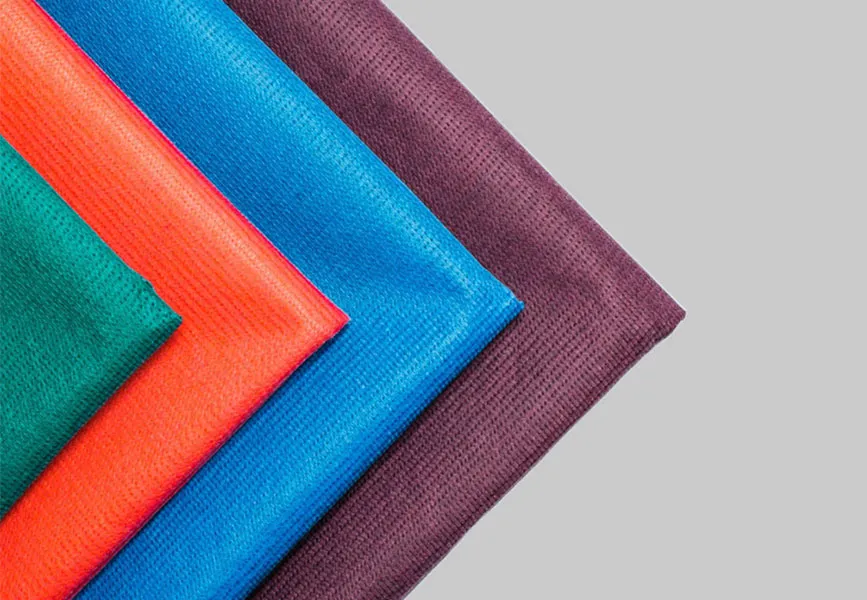
Biodegradable nonwoven fabric is becoming an important material option for brands, converters, and manufacturers that want to reduce reliance on conventional synthetic materials. In filtration, hygiene, packaging, beauty care, agriculture, and disposable product design, buyers are increasingly asking whether a nonwoven fabric is biodegradable, eco friendly, recyclable, or suitable for more sustainable product development.
However, biodegradable nonwoven fabric is not a single material. It may be made from PLA, viscose, cotton, pulp, Tencel-type lyocell fibers, or other bio-based and cellulose-based fibers. It may also be produced through spunlace, airlaid, wetlaid, thermal bonding, needle punching, or composite nonwoven processes. The final environmental profile depends on fiber source, bonding method, additives, coatings, lamination, end-use conditions, and available waste management systems.
For B2B buyers, the key question is not simply "is non woven fabric biodegradable?" A better question is: what is the fabric made of, how is it bonded, what application will it serve, and what end-of-life route is realistic? A material used in packaging, wipes, medical pads, filtration media, or absorbent products may need a different balance of biodegradability, strength, softness, filtration performance, cost, and processing stability.
Is non woven fabric biodegradable: Some nonwoven fabrics are biodegradable, especially those made from cellulose-based or compostable bio-based fibers. However, not all nonwovens are biodegradable.
Is non woven fabric eco friendly: It depends on raw material, production process, durability, use phase, waste management, and whether the fabric is recyclable, compostable, reusable, or lower-impact than alternatives.
Is non woven fabric recyclable: Some mono-material nonwovens may be recyclable in specific systems, but mixed fibers, coatings, contamination, and limited collection infrastructure can make recycling difficult.
What is non-woven fabric made of: Nonwoven fabric can be made from synthetic fibers, regenerated cellulose fibers, natural fibers, bio-based fibers, or fiber blends.
Is spunlace non woven fabric biodegradable: Spunlace is a manufacturing process, not a fiber type. A spunlace nonwoven may be biodegradable if it is made from biodegradable fibers, but not if it uses non-biodegradable synthetic blends.
Biodegradable nonwoven fabric refers to a nonwoven material that can break down through biological processes under suitable conditions. In practice, this usually means microorganisms can convert the material into simpler substances over time. The exact rate and result depend on the fiber type, fabric structure, thickness, additives, finishing, temperature, moisture, oxygen, and disposal environment.
A nonwoven fabric is not made by weaving or knitting yarns. It is usually formed directly from fibers or filaments and bonded mechanically, thermally, or chemically. This gives manufacturers flexibility to design fabrics for absorbency, softness, filtration, breathability, liquid management, or barrier performance. The same nonwoven structure can be made from very different raw materials, which is why biodegradability depends more on material composition than on the word "nonwoven" itself.
Common biodegradable or potentially biodegradable fiber options include cellulose-based fibers such as viscose, lyocell, cotton, wood pulp, and some plant-based fibers. PLA is also widely discussed because it is derived from renewable resources and can be used in certain compostable material systems under appropriate conditions.
The key point for buyers is that biodegradability should not be assumed from appearance. A white soft nonwoven fabric may be made from viscose, polyester, polypropylene, PLA, or a blend. These materials may look similar but behave differently in moisture, heat, production, use, and disposal. A biodegradable claim should be supported by material composition, test method, certification path, and realistic disposal conditions.
In B2B sourcing, biodegradable nonwoven fabric is usually considered for packaging, hygiene, wet wipes, agricultural covers, disposable absorbent products, cosmetic care materials, and selected filtration uses. It may also be used where brands need to reduce plastic-based content or offer a more sustainable material option for a specific product line.
Non woven fabric can be biodegradable, eco friendly, or recyclable, but these terms should not be treated as the same thing. A fabric may be biodegradable but not recyclable. It may be recyclable but not biodegradable. It may be bio-based but still require industrial composting. It may be lightweight and resource-efficient but difficult to recover after use.
Biodegradable describes the ability of a material to break down biologically under suitable conditions. Eco friendly is broader and less precise. It may refer to renewable raw materials, reduced fossil-based content, lower emissions, safer chemistry, reduced waste, recyclability, compostability, or better resource efficiency. Recyclable means the material can be collected, sorted, processed, and made into new materials through available recycling systems.
For nonwoven fabrics, recyclability is often challenging in real-world supply chains. Mono-material PP or PET nonwovens may be easier to recycle than multi-layer or contaminated materials, but actual recycling depends on local collection, sorting, contamination level, and market demand. Disposable wipes, medical fabrics, filtration media, and hygiene products are often difficult to recycle after use because they may be wet, contaminated, blended, coated, or used in sensitive environments.
Biodegradable nonwovens can help in some applications, but they are not a universal solution. A biodegradable material still needs a suitable disposal environment. A fabric that can biodegrade under industrial composting conditions may not break down quickly in landfill, dry storage, or marine environments. Buyers should define whether they need home compostability, industrial compostability, soil biodegradation, marine biodegradation, or simply a higher bio-based content.
This is why sustainability claims should be specific. Instead of saying "eco friendly nonwoven" in a general way, buyers should define the actual target: plant-based content, cellulose-based fiber, compostability, reduced plastic content, recyclability, lower carbon impact, or safer disposal. For products that must perform in filtration, packaging, or absorbent applications, the environmental target must also be balanced with strength, barrier properties, softness, airflow, wet strength, and conversion stability.
Non-woven fabric can be made of many different fibers. The material may be synthetic, natural, regenerated, bio-based, or blended. This is why two nonwoven fabrics may look similar but perform very differently.
Synthetic fibers include polypropylene, polyester, polyethylene, nylon, and other polymer-based fibers. These materials are widely used because they provide strength, stability, processability, and cost efficiency. Polypropylene is common in spunbond and meltblown nonwovens. Polyester is often used where dimensional stability, durability, and heat resistance are important.
Cellulose-based fibers include viscose, lyocell, cotton, wood pulp, and other plant-derived or regenerated fibers. These fibers are often selected for softness, absorbency, moisture interaction, and skin-contact comfort. A viscose nonwoven can be suitable for wet wipes, facial masks, hygiene products, medical pads, absorbent layers, and skin-contact products where softness and liquid management are important.
Bio-based synthetic fibers include PLA and related plant-derived polymer fibers. PLA is often selected when a product needs renewable material content and potential compostability under defined conditions. pla fiber can be considered for nonwoven structures where buyers want to reduce conventional fossil-based fiber content while maintaining processability for selected applications.
Blended fibers are also common. For example, a fabric may combine viscose for absorbency and polyester for strength. It may use PLA with cellulose fibers to balance sustainability and structure. It may combine a filtration layer with a support layer to improve both function and handling. These structures can improve performance, but they may also make recycling or biodegradation more complex.
Spunlace nonwoven fabric is a good example of why process and fiber type must be separated. Spunlace means fibers are entangled by high-pressure water jets. The process itself does not determine biodegradability. A spunlace fabric made from 100% viscose or cotton may have a very different environmental profile from a spunlace fabric made from polyester-viscose blends. So when buyers ask "is spunlace non woven fabric biodegradable", the answer depends on what fibers are used and how the material is finished.
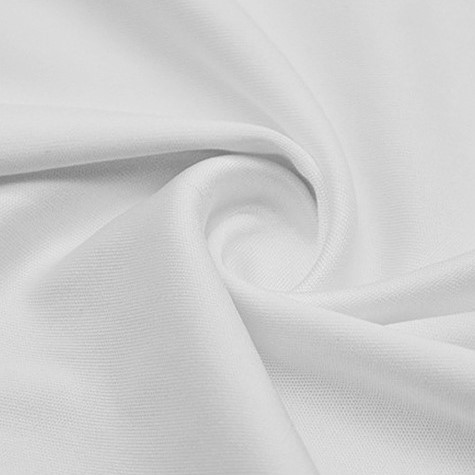
PLA, Tencel-type lyocell fibers, and viscose are often discussed in sustainable nonwoven material development because they offer alternatives to conventional fully petroleum-based fibers. Each material has different strengths and limitations.
PLA is a bio-based polymer commonly made from renewable plant resources. It can be processed into fibers and used in certain nonwoven applications. PLA-based nonwovens may be considered for packaging, hygiene, agriculture, disposable consumer goods, and selected filtration structures. However, PLA performance depends on fiber specification, bonding method, heat exposure, product design, and end-of-life conditions. PLA should not be described simply as biodegradable in every environment.
Tencel-type lyocell fibers are regenerated cellulose fibers known for softness, moisture management, and skin-contact comfort. They are commonly considered for hygiene, wipes, beauty care, and medical-adjacent absorbent products. Their main value is not only sustainability positioning, but also user comfort and liquid interaction.
Viscose is another regenerated cellulose fiber widely used in nonwoven products. It is valued for softness, absorbency, breathability, and wet-use comfort. In wipes and facial masks, viscose nonwoven can help hold liquid formulations and provide a soft hand feel. In absorbent pads and medical-related products, it can support moisture handling and comfort.
For filtration applications, sustainable materials must be selected carefully. Some filtration products require fine particle capture, stable airflow resistance, dust holding, chemical compatibility, or wet strength. A biodegradable fiber alone may not be enough. In some cases, meltblown filtration media may still be needed for high-efficiency filtration, while bio-based or cellulose-based layers may be used in support, pre-filter, absorbent, or comfort layers.
The best approach is to match fiber choice with application. PLA may fit packaging or selected disposable applications. Viscose may fit wipes, beauty care, and absorbent materials. Tencel-type fibers may fit premium skin-contact or moisture-management products. Composite structures may be needed when sustainability, strength, absorbency, and filtration must be balanced in one product.
Choosing biodegradable nonwoven fabric should begin with the product function. A packaging wrap, facial mask substrate, wet wipe, air filter, liquid filter, agricultural cover, and absorbent pad all have different requirements. The right material depends on what the fabric must do during use and what should happen after use.
The first factor is material composition. Buyers should confirm whether the fabric is made from PLA, viscose, cotton, pulp, lyocell-type fibers, polyester, polypropylene, or a blend. Material composition affects biodegradability, recyclability, softness, strength, absorbency, heat behavior, and processing stability.
The second factor is product structure. A single-fiber material may be easier to describe and recover than a multi-layer composite, but it may not meet all performance requirements. A composite material may improve strength, filtration, barrier, or absorbency, but it may also complicate recycling or biodegradation claims.
The third factor is end-use performance. For packaging, the fabric may need strength, appearance, printability, breathability, or puncture resistance. For filtration, it may need airflow, particle capture, dust holding, wet strength, or chemical compatibility. For wipes and hygiene products, it may need softness, absorbency, low lint, and wet strength.
The fourth factor is end-of-life route. Buyers should define whether the target is recycling, industrial composting, biodegradation in soil, or reduced fossil-based content. These are different goals. A product cannot be responsibly marketed as sustainable only because it contains a plant-based fiber. It needs a clear disposal and performance story.
The fifth factor is conversion compatibility. The material may need to be slit, folded, heat sealed, ultrasonic welded, laminated, packed, sterilized, printed, embossed, or cut into shapes. The biodegradable or bio-based material must survive the manufacturing process without tearing, shrinking, warping, dusting, or losing function.
A practical sourcing checklist includes:
Fiber composition and blend ratio
Bio-based, biodegradable, compostable, or recyclable target
GSM, thickness, and roll width
Tensile strength and wet strength
Softness, absorbency, or breathability
Filtration efficiency or permeability requirement
Heat resistance and sealing compatibility
Coating, lamination, or finishing details
End-of-life claim and test method
Batch consistency and sample testing
For companies sourcing wholesale nonwoven fabric, the best solution is not always the most biodegradable fiber on paper. The best solution is the fabric that meets the final product’s functional requirements while supporting a clearer and more responsible sustainability direction.
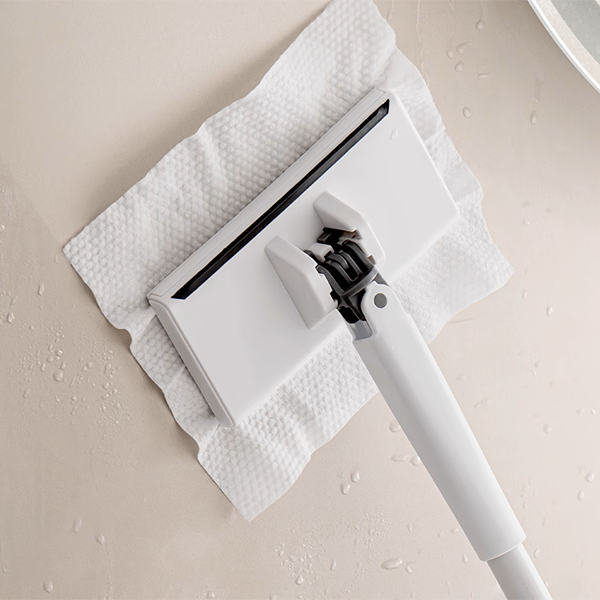
Biodegradable nonwoven fabric is an important option for manufacturers looking to develop more sustainable filtration, packaging, hygiene, beauty care, agricultural, and disposable product materials. However, not every nonwoven fabric is biodegradable, recyclable, or eco friendly. The answer depends on fiber type, bonding method, finishing, product structure, use conditions, and available disposal systems.
PLA, Tencel-type lyocell, viscose, cotton, and pulp-based materials can support more sustainable nonwoven development, but each material has different strengths and limitations. PLA may support renewable material content and selected compostable applications. Viscose and lyocell-type fibers can offer softness, absorbency, and moisture interaction. Spunlace nonwoven may be biodegradable only when the selected fibers and finishes support that goal.
For B2B buyers, the most reliable approach is to define the application first. Filtration, packaging, wipes, medical-related absorbent products, and consumer goods all require different performance balances. By reviewing material composition, GSM, strength, absorbency, filtration needs, conversion process, and end-of-life expectations, buyers can select biodegradable or bio-based nonwoven materials with greater confidence.
https://www.biopreferred.gov/BioPreferred/faces/pages/BiobasedProducts.xhtml
https://www.epa.gov/recycle/recycling-basics-and-benefits
https://www.epa.gov/sustainable-management-food/composting