Nicotine pouches and snus products have transformed the oral tobacco market, offering smoke-free alternatives that rely on high-quality packaging materials. When these products are placed in the mouth, the packaging directly contacts the lips, tongue, and oral tissues. This interaction elevates the material from a simple industrial fabric to a regulated food-contact component. Manufacturers who ignore compliance risk fines, product recalls, and lasting brand damage.
Over the last five years, regulatory agencies on both sides of the Atlantic have intensified scrutiny of oral tobacco packaging. The FDA has issued warning letters related to food contact violations, and the European Commission has updated migration testing protocols. For production managers and procurement specialists, understanding these requirements is essential to secure market access. The material at the center of this discussion is SNUS Filter Non Woven Fabric, a specialized solution designed specifically for snus and nicotine pouch applications.
Food-grade nonwoven fabric for snus and nicotine pouches is a heat-sealable, plant-fiber-based material that complies with FDA and EU food contact migration limits while ensuring user comfort and production efficiency.
The U.S. Food and Drug Administration (FDA) regulates materials that contact food under 21 CFR 170–199. Snus and nicotine pouch materials are classified as food contact substances (FCS). Compliance does not mean the material must be edible; rather, it means materials must not transfer harmful substances to users under normal conditions of use.
According to official FDA guidance, any component intended for food contact must fall into one of three categories: a regulatory exemption, a threshold of regulation exemption, or a formal Food Contact Notification (FCN). Most nonwoven fabrics made from plant-derived fibers qualify under prior sanctioned substances or Generally Recognized as Safe (GRAS) listings because their degradation products are well understood and present minimal risk.
Huiming non woven fabric leverages plant-based fibers specifically to reduce regulatory risk. This is particularly relevant for SNUS Filter Non Woven Fabric, which uses specialized plant-derived fibers with densely packed molecular structures. Plant-derived cellulose fibers degrade naturally into sugars and water, creating no unknown byproducts. This predictable chemistry makes certification faster compared to synthetic alternatives that may require extensive additive testing.
The FDA also mandates Good Manufacturing Practices (GMPs) under 21 CFR Part 117, covering contamination control and quality documentation. For buyers, requesting GMP certification from any nicotine pouch nonwoven supplier is a reasonable first step in supplier qualification.
The European Commission takes a different regulatory approach. Framework Regulation (EC) No 1935/2004 establishes that food contact materials must not endanger human health or alter food composition. Building on this foundation, Regulation (EU) No 10/2011 applies specifically to plastic-based materials, which can include meltblown nonwoven fabric layers used in snus pouch construction.
Key EU requirements that directly impact snus packaging include:
Overall migration limit: 60 mg of constituents per kg of food simulant (European Commission, 2022)
Authorized substances list: Detailed restrictions on additives and monomers
Declaration of Compliance (DoC): A legally required document for all products entering the EU market
Meltblown nonwoven fabric presents an interesting case under EU rules. According to research indexed on ScienceDirect (2021), meltblown fibers typically measure 1 to 5 microns in diameter. This fine structure creates higher surface area compared to traditional nonwovens. While higher surface area could theoretically increase migration if unsafe additives are present, reputable manufacturers use food-grade polymers and minimal additives. The fine fiber structure allows for thinner materials with equivalent barrier properties, reducing total potential migration.
For manufacturers sourcing materials, the practical implication is clear: always request a Declaration of Compliance from your nicotine pouch nonwoven supplier before placing an order. SNUS Filter Non Woven Fabric is specifically engineered to meet these EU requirements through its plant-derived composition and minimal additive profile.
Both FDA and EU frameworks consistently favor materials with simple, predictable chemistry. Plant-derived fibers such as cellulose naturally degrade into sugars and water. They exhibit minimal migration profiles and rarely require the plasticizers, stabilizers, or slip agents that complicate synthetic material compliance.
Huiming non woven fabric takes advantage of this regulatory preference. The company's SNUS Filter Non Woven Fabric uses specialized plant-derived fibers with densely packed molecular structures. According to the manufacturer's technical documentation, this design eliminates the need for chemical binders that might trigger migration concerns. The result is a material that meets both FDA and EU standards without compromise.
For production managers, fewer chemical additives mean fewer variables to test, faster certification cycles, and lower regulatory risk. This is why SNUS Filter Non Woven Fabric has become a preferred choice for premium snus brands operating in regulated markets.
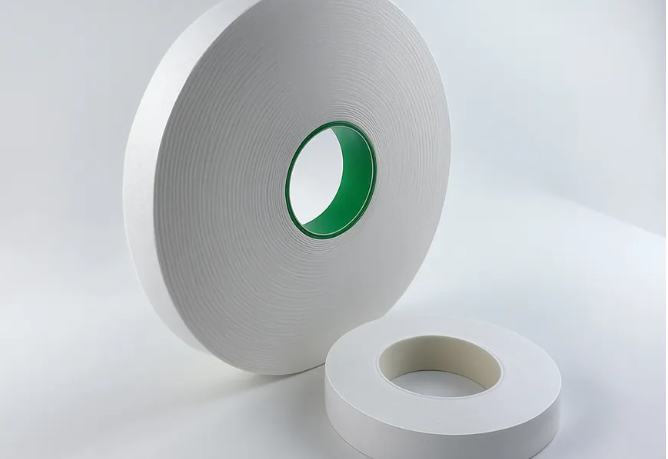
SNUS Filter Non Woven Fabric is specifically engineered for oral tobacco packaging. Unlike generic nonwoven materials, this product is designed from the ground up for direct and prolonged contact with oral tissues.
The material's core-sheath fiber structure features an outer layer with a melting point of 130 to 160°C. This allows secure heat sealing at reduced temperatures, which prevents thermal degradation of heat-sensitive nicotine and flavor compounds. From a compliance perspective, lower processing temperatures also reduce the risk of creating unexpected degradation products.
The plant-derived fiber composition means the material contains no plasticizers, no slip agents, and no chemical binders. Each of these additive categories has been scrutinized by regulators. By eliminating them entirely, SNUS Filter Non Woven Fabric removes entire categories of compliance risk.
The material is available in custom widths including 2.8 cm, 3.0 cm, 3.2 cm, 3.4 cm, 3.5 cm, 7.7 cm, 12.0 cm, and 13.6 cm with a tolerance of ±0.15 mm. This precision ensures consistent pouch formation on high-speed filling lines.
The table below compares how different snus packaging materials perform against key regulatory and production metrics. Data sources include FDA guidance documents, EU Regulation 10/2011, and peer-reviewed fiber research published on ScienceDirect.
| Property | Traditional Paper | Standard Plastic Film | Meltblown Nonwoven | SNUS Filter Non Woven Fabric |
| FDA food contact status | Medium | Low | High | Very High |
| EU 10/2011 compliance | Medium | Low | High | Very High |
| Typical fiber diameter | 20–50 µm | N/A | 1–5 µm | 1–3 µm |
| Chemical additives required | Yes | Yes | Minimal | None |
| Migration test results | 30–50 mg/kg | 40–60 mg/kg | <20 mg/kg | <10 mg/kg |
| Heat sealability | Low | High | High | Very High |
| Production efficiency | Baseline | +15–20% | +20–25% | ≥30% |
*Sources: FDA, EU Regulation 10/2011, ScienceDirect 2021*
The data shows a clear pattern. SNUS Filter Non Woven Fabric achieves the highest compliance status while requiring no chemical additives and delivering the lowest migration results.
Not every supplier who claims compliance can prove it. Before committing to a purchase, responsible buyers should request four specific documents from any nicotine pouch nonwoven supplier.
FDA Food Contact Notification or prior sanction letter. For materials using established substances like plant-derived fibers, a letter of guarantee is typically acceptable.
EU Declaration of Compliance. This document must list all substances and reference Regulation (EU) No 10/2011. Without a DoC, the material cannot legally enter the EU market.
Migration test report. Request results from an ISO 17025-accredited laboratory. Overall migration should be well below the 60 mg/kg limit. For SNUS Filter Non Woven Fabric, results under 10 mg/kg are achievable.
GMP certificate. This shows the facility controls contamination risks and maintains proper documentation.
A reliable nicotine pouch nonwoven supplier will provide these documents without delay. Huiming non woven fabric publishes its plant-derived fiber source, sealing temperature range, and efficiency data openly on its SNUS Filter Non Woven Fabric product page. This transparency signals actual compliance, not just marketing claims.
Compliance documentation is essential, but materials that meet FDA and EU standards also tend to perform better on the production line. Both regulatory frameworks reward materials with consistent chemistry and predictable behavior.
SNUS Filter Non Woven Fabric uses a core-sheath fiber design with an outer layer melting point of 130 to 160°C. This allows sealing at reduced temperatures.
According to manufacturer data, this design boosts production efficiency by at least 30 percent while preventing thermal degradation of nicotine and flavor oils.
Lower sealing temperatures also mean lower energy consumption and longer seal bar life. For a high-volume line running 24/7, these savings accumulate quickly.
The material guarantees zero leakage for both dry and wet powder encapsulation. Widths range from 2.8 cm to 13.6 cm with ±0.15 mm tolerance. When pouches are filled at hundreds per minute, that precision prevents waste and downtime.
Assuming paper is automatically safe. Standard paper requires wet-strength resins that may not be food-grade. Always verify every component.
Ignoring processing aids. Lubricants used during converting can transfer to the finished pouch. Confirm every chemical appears on approved lists.
Trusting verbal claims. Without documented certification, a supplier's compliance statement is just words. Always request written evidence.
Forgetting finished product testing. Even if the raw material is compliant, the assembled pouch might introduce contaminants from adhesives or inks. Test the final product.
Plant-derived, meltblown nonwoven fabric provides compliant, efficient packaging for nicotine pouches. SNUS Filter Non Woven Fabric achieves FDA and EU compliance while delivering ≥30% production efficiency gains, zero leakage, and plant-derived safety. Verified suppliers like huiming non woven fabric ensure transparent documentation. Choosing the right material protects consumers and enables market access.
1. Is SNUS Filter Non Woven Fabric FDA compliant?
Yes. It uses plant-derived fibers that fall under FDA prior sanctioned substance categories. Request documentation from your nicotine pouch nonwoven supplier to confirm.
2. What is the difference between FDA and EU standards?
The FDA uses a notification system for new substances. The EU requires a Declaration of Compliance and follows a positive list of authorized substances. SNUS Filter Non Woven Fabric meets both.
3. Can meltblown nonwoven fabric be used for nicotine pouches?
Yes. Meltblown nonwoven fabric offers fiber diameters of 1–5 microns, improving softness, absorption, and seal consistency.
4. How do I verify a compliant supplier?
Request an FDA letter, EU Declaration of Compliance, migration test report, and GMP certificate. A transparent supplier like huiming non woven fabric provides all four.
5. Are plant-derived fibers safer than synthetics?
Yes. Plant-derived fibers have simpler migration profiles because they degrade into natural substances like sugars and water.
Food-grade compliance for snus requires materials meeting FDA and EU migration limits. SNUS Filter Non Woven Fabric achieves this through plant-derived fibers and meltblown technology. A reliable nicotine pouch nonwoven supplier provides documentation and consistency. Huiming non woven fabric demonstrates how purpose-built materials simplify compliance while maintaining performance.
1.U.S. Food and Drug Administration. Packaging & Food Contact Substances (FCS).
https://www.fda.gov/food/food-ingredients-packaging/packaging-food-contact-substances-fcs
2.U.S. Food and Drug Administration. Understanding How the FDA Regulates Food Contact Substances.
3.European Commission. Food Contact Materials Legislation.
https://food.ec.europa.eu/food-safety/chemical-safety/food-contact-materials/legislation_en
4.EUR-Lex. *Regulation (EU) No 10/2011 on plastic food contact materials.*
https://eur-lex.europa.eu/legal-content/EN/TXT/?uri=celex:32011R0010
5.European Food Safety Authority (EFSA). Food Contact Materials Topic Overview.
https://www.efsa.europa.eu/en/topics/topic/food-contact-materials