In the fast-growing smokeless tobacco market, the quality of pouch materials has become a decisive factor in product performance. Among all available solutions, SNUS filter non woven fabric stands out as the preferred choice for manufacturers seeking consistency, safety, and user comfort.
Unlike traditional paper or plastic-based materials, this specialized nonwoven fabric is engineered specifically for oral tobacco applications. It directly impacts flavor release, pouch durability, and the overall consumer experience. With the global smokeless tobacco market projected to grow steadily according to Statista, selecting the right material has never been more critical for brand success.
SNUS filter non woven fabric is a food-grade, heat-sealable nonwoven material designed for the production of snus and nicotine pouches, offering controlled permeability, high strength, and superior softness.
This material is typically manufactured using advanced fiber technologies such as meltblown or composite structures, allowing precise control over performance characteristics. Leading solutions, such as those from Huiming Fibertech, utilize specialized plant-derived fibers with densely packed molecular structures, delivering a silk-like tactile surface that meets stringent packaging requirements for premium consumables.
Since snus products are placed directly in the mouth, the material must meet strict safety standards.
According to the U.S. Food and Drug Administration, food-contact materials must not release harmful substances under normal conditions of use. This requirement makes snus filter paper made from certified nonwoven fibers the industry standard. The European Commission enforces similarly strict guidelines, reinforcing the need for certified materials.
Modern pouch production relies on heat sealing instead of adhesives. High-performance materials like Huiming non woven fabric are engineered with core-sheath fiber structures, featuring an outer layer with a melting point of 130–160°C, enabling secure heat sealing at reduced temperatures. This technology delivers measurable benefits:
≥30% increase in production efficiency (validated by Huiming's technical data)
Improved sealing consistency
Reduced energy consumption
Prevention of thermal degradation of heat-sensitive contents (e.g., nicotine, flavors)
Comfort is critical in nicotine pouch applications. Advanced meltblown nonwoven fabric provides ultra-fine fiber structures that significantly improve tactile comfort.
According to material science studies indexed by ScienceDirect, fiber diameters of 1–5 microns (typical for meltblown nonwovens) substantially increase surface area, enhancing both softness and absorption capacity. This translates directly into a more comfortable user experience and better moisture distribution within the pouch.
Durability is essential to prevent pouch breakage and leakage during manufacturing, transport, and use.
Premium SNUS filter nonwoven materials typically offer:
Tensile strength ≥45 N/5cm (machine direction)
Excellent tear resistance
Stability under wet conditions
These properties ensure consistent product performance throughout the supply chain. Huiming's snus filter nonwoven fabric, for example, guarantees zero leakage for dry and wet powder encapsulation, available in custom widths including 2.8 cm, 3.0 cm, 3.2 cm, 3.4 cm, 3.5 cm, 7.7 cm, 12.0 cm, and 13.6 cm with tolerance of ±0.15 mm.
| Performance Metric | Traditional Paper | Plastic Film (e.g., PE) | Meltblown Nonwoven | Composite Nonwoven |
| Fiber Diameter (microns) | 20–50 | Not applicable (solid film) | 1–5 | 1–3 |
| Food Safety Compliance | Medium (may require coatings/chemical treatments) | Low (potential additive migration concerns) | High (food-grade possible) | Very High (plant-derived, FDA-compliant) |
| Tensile Strength MD (N/5cm) | ≤20 | ≥50 | 25–40 | ≥45 |
| Heat Sealability | Low | High | High | Very High |
| Production Efficiency vs. Paper | Baseline | +15–20% | +20–25% | ≥30% |
| User Comfort (Tactile) | Medium–Stiff | Low (plastic feel, poor breathability) | High (soft, breathable) | Very High (silk-like, plant-derived) |
| Leak Resistance | Low–Medium | High | Medium–High | High |
| Sustainability | Medium (biodegradable but resource-intensive) | Low (non-biodegradable, fossil-based) | Medium (depends on polymer) | High (plant-derived, biodegradable fibers) |
Note: Tensile strength values are representative for typical packaging grades (basis weight 30–50 gsm). Actual values may vary by specific product design and manufacturer.
This data-driven comparison clearly shows why nonwoven materials—especially composite nonwovens with core-sheath heat-sealable designs—dominate the premium snus and nicotine pouch segment. The combination of very high food safety, ultra-fine fibers for comfort (1–3 microns), high tensile strength (≥45 N/5cm), and ≥30% production efficiency gain creates an overwhelming performance advantage.
Traditional materials such as paper and plastic films have fundamental limitations in oral tobacco applications. Paper lacks adequate wet strength and heat sealability, while plastic films offer poor user comfort due to their non-breathable, smooth surface that traps moisture and creates an unpleasant mouthfeel.
Nonwoven materials outperform alternatives by uniquely combining softness, safety, and process efficiency. The ability to engineer fiber diameter, basis weight, and sealing properties allows manufacturers to fine-tune performance for specific nicotine pouch formulations.
According to Statista, the global smokeless tobacco market continues to grow steadily, reaching billions in market value over the coming years. This growth directly increases demand for high-quality pouch materials, particularly those that enable consistent production at scale.
Manufacturers are increasingly moving toward plant-based fibers, biodegradable materials, and reduced plastic usage. This aligns with sustainability initiatives highlighted by the World Health Organization, which has emphasized the importance of reducing environmental impact in tobacco-related industries. Huiming's use of specialized plant-derived fibers addresses this trend directly.
Modern nicotine pouch production requires materials that can deliver consistent flavor release, high-speed manufacturing compatibility, and improved product shelf life. Advanced snus filter paper meets these requirements through engineered permeability and absorption characteristics.
Look for meltblown or composite fiber structures (1–5 micron fiber diameter range, ideally 1–3 microns for premium softness).
Optimal sealing temperature should be between 130–160°C, with documented efficiency gains (target ≥30% improvement over paper-based systems).
Ensure compliance with FDA (U.S. Food and Drug Administration) and EU Commission food contact standards. Request certification documentation.
Reliable suppliers provide consistent quality, customization options (widths, roll lengths, basis weights), and technical support.
In real-world applications, SNUS filter non woven fabric enables smooth pouch formation on high-speed filling lines, stable and consistent heat sealing across millions of pouches, and a comfortable, non-irritating user experience that encourages repeat purchases.
Huiming's product line includes specialized variants for different production environments:
HM-A: Chemically bonded nonwoven for low to medium speed pouch machines
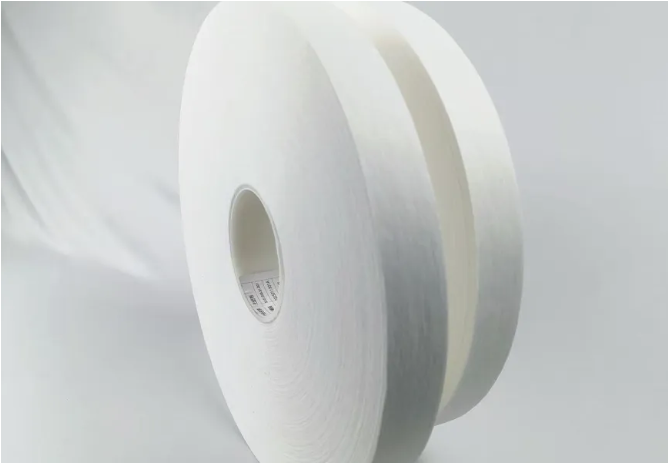
HM-01: Designed for intermittent flat-jaw sealing systems
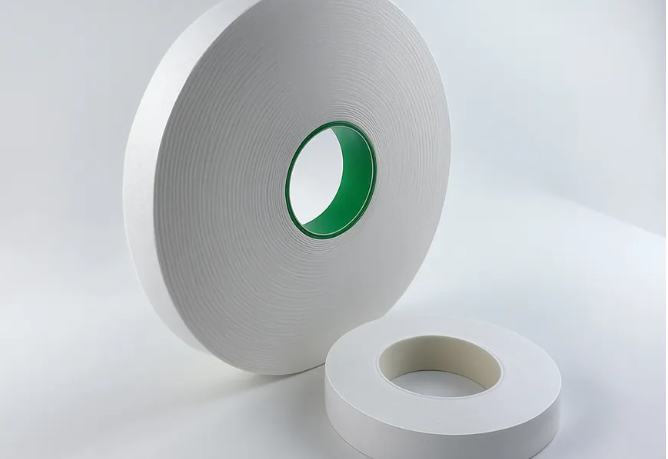
HM-XY: Premium ultra-fine fiber nonwoven for high-speed production lines
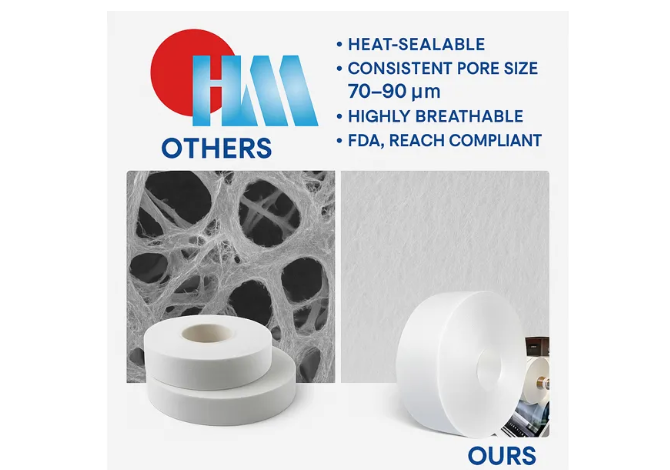
These advantages make SNUS filter non woven fabric the preferred material for premium nicotine pouch brands seeking competitive differentiation.
1. What is SNUS filter non woven fabric used for?
It is used to produce snus and nicotine pouches, ensuring safety, softness, and durability. Leading solutions like Huiming's are extensively implemented in snus, nasal snuff, and portioned oral tobacco packaging.
2. Why is nonwoven fabric better than paper?
It offers better comfort (fiber diameters as small as 1–3 microns vs. 20–50 microns for paper), higher strength (≥45 N/5cm vs. ≤20 N/5cm), and superior heat sealability with ≥30% production efficiency gains.
3. What is the ideal fiber diameter?
Typically 1–5 microns according to ScienceDirect, with premium materials achieving 1–3 microns for maximum softness and absorption.
4. Is it food-grade?
Yes, high-quality materials comply with FDA and EU regulations. Huiming's SNUS filter nonwoven fabric is food-grade and utilizes specialized plant-derived fibers.
5. Is it environmentally friendly?
Many products use plant-based or biodegradable fibers. Huiming's material uses plant-derived fibers, aligning with WHO sustainability recommendations.
SNUS filter non woven fabric is a high-performance, data-validated material for nicotine pouch production, offering superior softness (1–3 micron fibers), strength (≥45 N/5cm tensile), and food-grade safety. Meltblown and composite nonwovens with core-sheath heat-sealable designs deliver ≥30% production efficiency gains (130–160°C sealing). As the smokeless tobacco market grows (Statista), manufacturers must select certified, plant-derived materials like Huiming’s to remain competitive.
U.S. Food and Drug Administration. Food Contact Substances (FCS).
https://www.fda.gov/food/food-ingredients-packaging/food-contact-substances-fcs
Statista. Tobacco Market Insights.
https://www.statista.com/topics/1884/tobacco/
ScienceDirect. Meltblown Nonwoven Technology.
https://www.sciencedirect.com/topics/engineering/meltblown
World Health Organization. Tobacco Fact Sheets.
https://www.who.int/news-room/fact-sheets/detail/tobacco
European Commission. Food Contact Materials.
https://food.ec.europa.eu/safety/chemical-safety/food-contact-materials_en