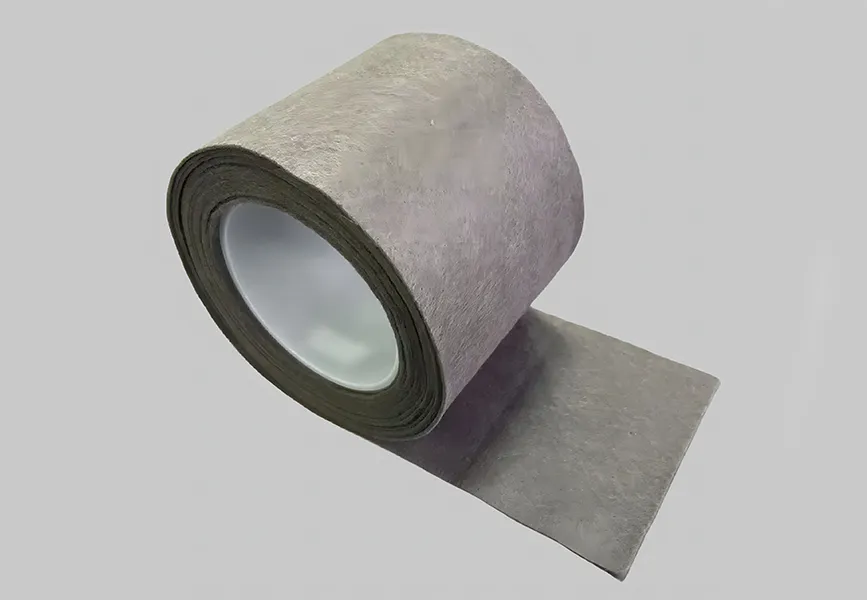
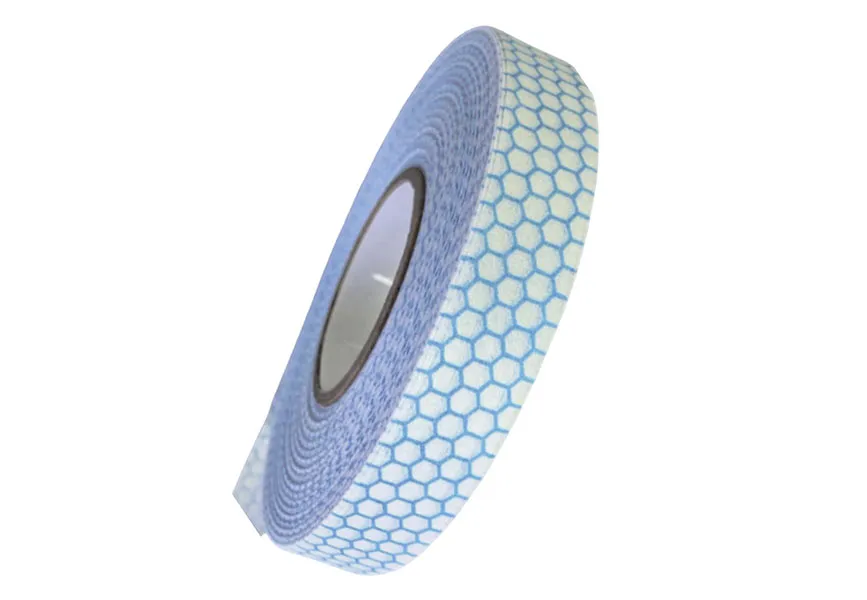
Meltblown nonwoven fabric is a functional material widely used in filtration, medical protection, hygiene products, environmental control, and industrial applications. Unlike woven fabric, it is not made by interlacing yarns. Instead, it is produced by melting polymer resin, extruding it into ultra-fine fibers, and collecting those fibers into a soft, porous web.
For buyers, product developers, and manufacturers, the key question is not only "what is melt-blown non-woven fabric", but also how this material performs in real applications. Meltblown fabric is valued because it can provide fine particle filtration, breathability, lightweight structure, and customizable performance. This makes it especially important in face masks, air filters, liquid filters, oil absorption materials, and composite nonwoven products.
If you are sourcing non woven fabric wholesale, meltblown material is usually selected when the final product needs more than basic coverage or support. It is chosen when filtration efficiency, airflow resistance, fiber fineness, and stable roll quality directly affect product performance.
● What is melt-blown non-woven fabric: It is a nonwoven material made from melted polymer fibers formed into a fine, porous web.
● What is non woven melt blown fabric: It is a functional nonwoven fabric commonly used for filtration, barrier protection, absorption, and composite structures.
● What is non woven filter fabric: It refers to a nonwoven material designed to capture particles, dust, droplets, aerosols, or contaminants in air or liquid systems.
● Is non woven fabric good for face mask: Properly designed meltblown nonwoven fabric is widely used as the key filtration layer in many disposable mask structures.
When selecting meltblown fabric, buyers should consider filtration efficiency, GSM, pressure drop, fiber diameter, electrostatic treatment, and final application requirements.
Melt blown non woven fabric is a type of nonwoven material made by turning melted polymer into extremely fine fibers. Polypropylene is commonly used because it is lightweight, processable, chemically resistant, and suitable for forming stable microfibers.
During production, the polymer is heated until it becomes molten. It is then pushed through tiny holes in a die. High-speed hot air stretches the molten polymer into fine fibers, which are collected on a moving surface to form a random fiber web. This web structure creates many small pores and a large surface area, which are important for filtration and absorption.
This structure is different from woven or knitted textiles. Woven fabric depends on interlaced yarns, while meltblown nonwoven fabric is formed directly from fibers. Because the fibers are randomly arranged, the material can trap particles through a complex path rather than through simple straight pores.
In practical terms, when people ask "what is non woven melt blown fabric", they are usually asking whether it can meet a specific performance need. The answer depends on the grade. Meltblown fabric can be produced for face masks, air filters, liquid filtration, oil absorption, medical textiles, insulation, wipes, and composite materials.
For companies comparing materials, working with huiming non woven fabric can help match the correct meltblown grade to the end use, instead of choosing only by color, weight, or roll appearance.
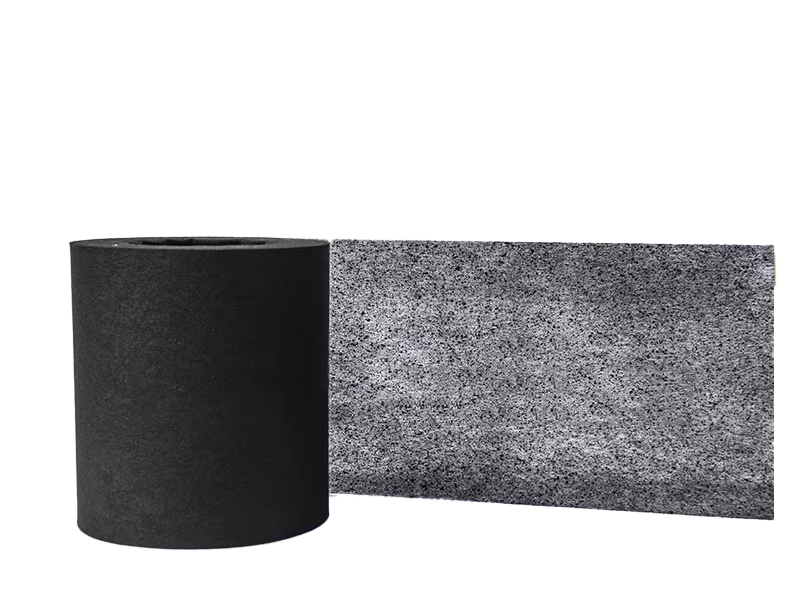
A non woven filter fabric is a nonwoven material designed to capture or separate particles from air or liquid. It may be used in masks, respirators, air purifiers, HVAC filters, vacuum cleaner filters, liquid filter cartridges, oil filtration systems, or industrial dust-control products.
Meltblown fabric is important because its fine fiber structure helps improve filtration performance. The smaller the fiber diameter, the larger the contact area between the material and passing particles. This helps the web capture fine dust, droplets, aerosols, and other contaminants while still allowing air or liquid to pass through.
For air filtration, meltblown fabric can help capture fine particles while maintaining breathability. For liquid filtration, it can be used to remove suspended particles from water, oils, chemicals, coolants, or process fluids, depending on the polymer and specification. For oil absorption, polypropylene meltblown fabric is often useful because it can absorb oil-based liquids while remaining lightweight.
Meltblown fabric is also often used as part of a composite structure. For example, a stronger spunbond layer may be used on the outside, while the meltblown layer provides the main filtration function in the middle. This structure helps improve strength, handling, and filtration performance at the same time.
For B2B buyers, a good non woven filter fabric should not be judged by thickness alone. Important indicators include filtration efficiency, pressure drop, GSM, air permeability, web uniformity, roll stability, and compatibility with downstream processes such as cutting, pleating, laminating, ultrasonic welding, or heat sealing.
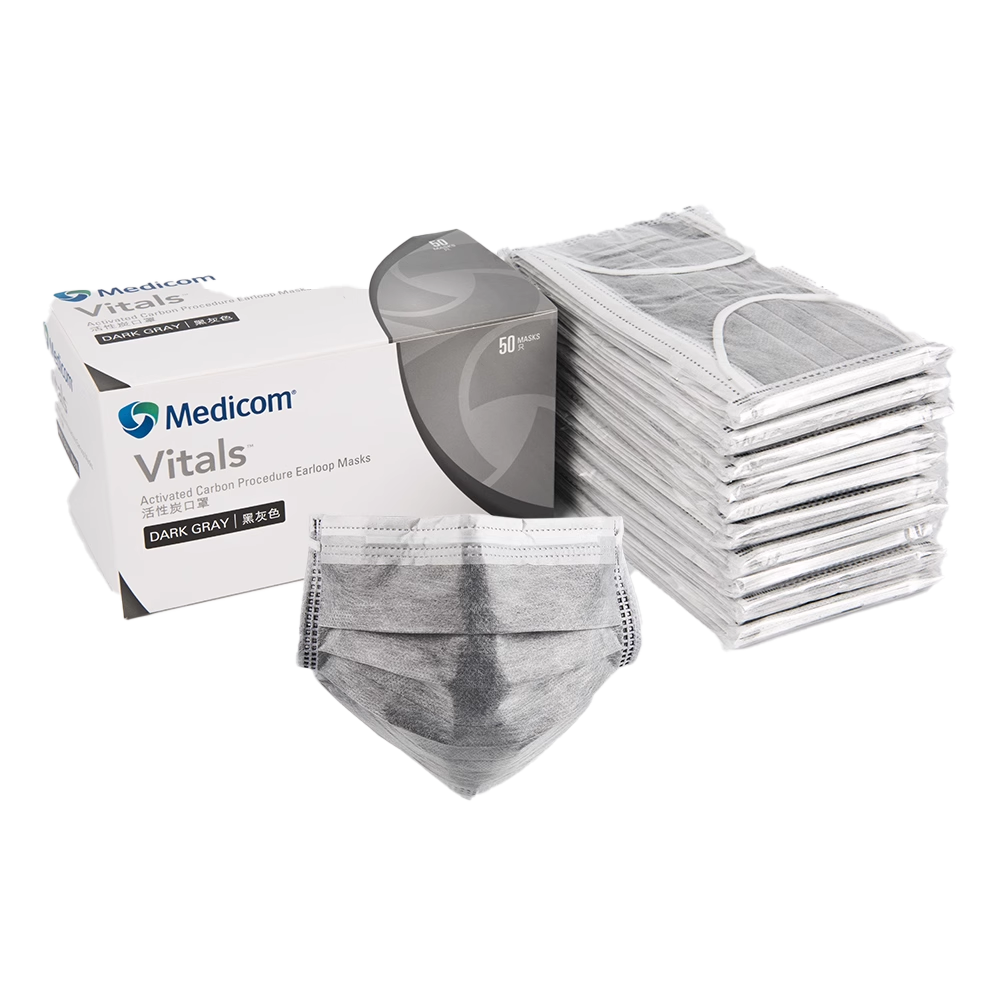
Nonwoven fabric can be good for face mask applications, but not every nonwoven fabric is suitable for masks. In many disposable masks, the meltblown nonwoven layer is the key filtration layer. It is usually placed between outer and inner nonwoven layers to help capture fine particles while keeping the mask breathable.
A typical mask structure may include an outer protective layer, a middle meltblown filtration layer, and an inner skin-contact layer. The outer layer provides basic protection and structure. The inner layer needs to feel soft and comfortable. The middle meltblown layer contributes much of the filtration performance.
However, mask performance depends on the whole finished product, not only the fabric. Fit, sealing, nose clip design, earloop or headband structure, breathing resistance, and manufacturing quality all affect the final result. A good meltblown layer can support filtration performance, but the complete mask still needs proper design and testing.
Electrostatic treatment is also important for many mask-grade meltblown fabrics. A charged meltblown web can improve particle capture without making the material too dense. This helps balance filtration efficiency and breathability. However, electrostatic performance can be affected by humidity, storage conditions, alcohol exposure, washing, or improper post-treatment.
For medical and protective applications, buyers should work with a medical non woven fabric factory that understands filtration, skin-contact comfort, cleanliness, barrier requirements, and stable production quality. For mask-related projects, it is better to confirm filtration efficiency, pressure drop, GSM, roll width, shelf life, and conversion compatibility before mass production.
Meltblown nonwoven fabric is used across filtration, medical, hygiene, environmental, and industrial fields. In filtration, it is commonly used in face masks, respirators, air purifier filters, HVAC filters, cabin filters, vacuum cleaner filters, and liquid filtration products. Its fine fiber web makes it suitable for capturing small particles while allowing controlled airflow or liquid flow.
In medical and hygiene applications, meltblown fabric may be used in masks, protective layers, surgical-related materials, absorbent pads, and disposable healthcare products. These applications often require a balance of softness, breathability, filtration, low linting, and stable quality.
In environmental and industrial applications, polypropylene meltblown fabric can be used for oil absorption pads, spill control products, industrial wipes, machine cleaning, insulation, and specialty composite materials. The material can be customized depending on whether the product needs absorption, filtration, barrier performance, or processing stability.
When choosing meltblown nonwoven fabric, buyers should start with the final application. A mask material, an air filter material, and an oil absorption material may all be meltblown fabrics, but their required specifications are different.
Key selection factors include:
l Filtration efficiency: Important for masks, air filters, and fine particle filtration products.
l Pressure drop: Affects breathability and airflow resistance.
l GSM: Influences thickness, strength, filtration behavior, and cost.
l Fiber diameter: Fine fibers usually provide better particle capture.
l Electrostatic treatment: Important for many high-efficiency filtration uses.
l Roll quality: Affects cutting, pleating, welding, laminating, and production waste.
l Application compatibility: Different products require different performance balances.
Huiming's meltblown nonwoven fabric can be used for air filtration, medical protection, environmental protection, consumer products, and industrial manufacturing. For buyers developing masks, filter media, absorbent products, or composite materials, the most suitable grade should be selected based on performance testing and production requirements, not only on price or weight.
Meltblown nonwoven fabric is a high-value functional material used in filtration, medical protection, hygiene products, environmental control, and industrial applications. Its ultra-fine fiber structure gives it strong potential for particle capture, breathability, absorption, and composite material design.
For buyers asking "what is melt-blown non-woven fabric", the practical answer is this: it is not just a fabric type, but a performance material. The right meltblown fabric should be selected according to filtration efficiency, pressure drop, GSM, electrostatic performance, roll quality, and the final product structure.
For manufacturers, choosing the right meltblown nonwoven fabric can improve product performance, reduce production risk, and support more stable long-term supply.
https://www.inda.org/about-nonwovens/nonwovens-glossary-of-terms/