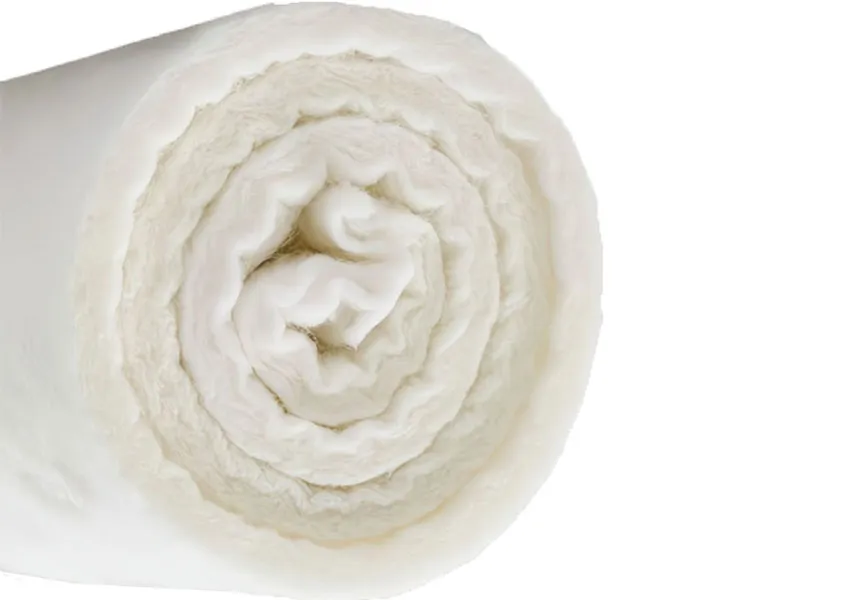
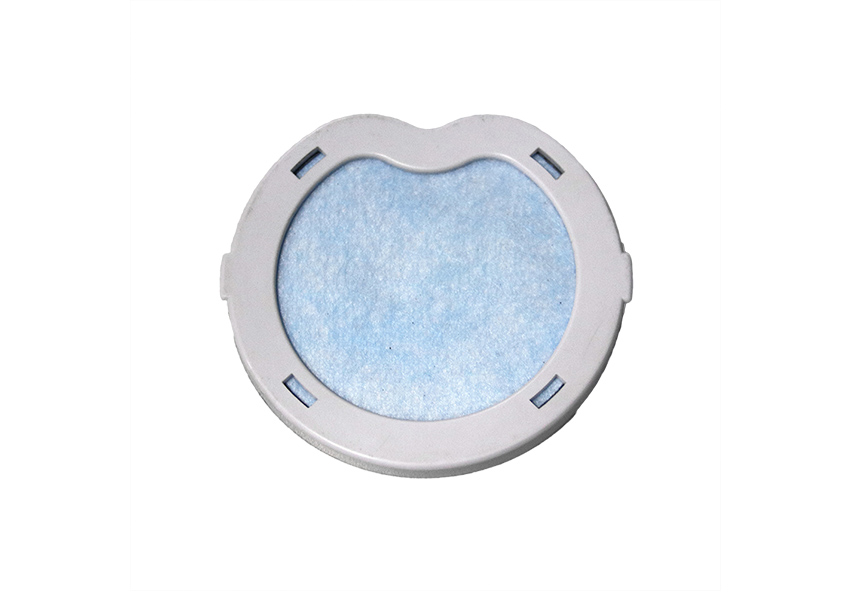
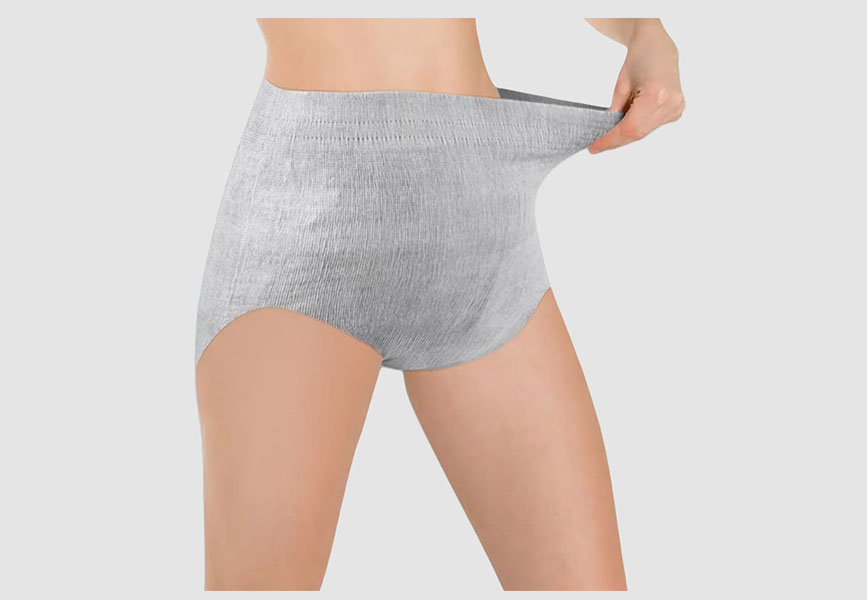
High performance nonwovens are designed for applications where ordinary sheet materials cannot meet the required balance of strength, breathability, filtration, elasticity, barrier performance, absorbency, heat response, or processing stability. Unlike traditional woven textiles, nonwoven fabrics are made directly from fibers or filaments and bonded through mechanical, thermal, or chemical methods. This gives manufacturers more flexibility to engineer materials for specific functions.
For B2B buyers, the main questions are practical: what are the advantages of non woven fabrics, what are the disadvantages of non woven fabrics, is non woven fabric durable, can non-woven fabric handle heat, and can non woven fabric be heat pressed? The answer depends on fiber type, web structure, bonding method, GSM, finishing process, coating, lamination, and the final product environment.
High performance nonwovens are not one single product. They may include elastic nonwovens, composite nonwovens, meltblown filter media, medical nonwovens, reinforced nonwovens, coated materials, hydrophilic or hydrophobic fabrics, antibacterial fabrics, flame-retardant structures, or laminated materials. The right material should be selected according to function, not only by appearance or price.
what are the advantages of non woven fabrics: Nonwoven fabrics can be lightweight, breathable, customizable, cost-efficient, and suitable for filtration, medical, hygiene, packaging, and industrial applications.
what are the disadvantages of non woven fabrics: Some nonwoven fabrics may have limited durability, lower tear resistance, weaker wash resistance, or reduced heat tolerance compared with woven textiles.
is non woven fabric durable: It can be durable when properly engineered, but durability depends on fiber type, GSM, bonding method, reinforcement, and application conditions.
can non-woven fabric handle heat: Some nonwoven fabrics can handle moderate heat, while others may deform, shrink, melt, or lose performance under high temperature.
can non woven fabric be heat pressed: Some grades can be heat pressed or heat bonded, but temperature, pressure, dwell time, coating, and fiber type must be tested before bulk production.
High performance nonwovens are nonwoven materials engineered to deliver specific functional properties beyond basic coverage, separation, or disposable use. They may be designed for filtration efficiency, elasticity, liquid control, antimicrobial function, thermal bonding, barrier protection, breathability, softness, tensile strength, or multi-layer composite performance.
A basic nonwoven may only need to cover, wrap, or separate. A high performance nonwoven must meet more demanding application requirements. For example, a filter medium needs controlled pore structure and stable airflow. A medical fabric needs cleanliness, softness, barrier performance, and conversion compatibility. An elastic material needs stretch and recovery. A composite material needs different layers to work together without delamination or performance loss.
The key advantage of nonwoven technology is design flexibility. Different fibers, bonding methods, finishes, coatings, and laminations can be combined to create targeted performance. A material can be soft on the skin-contact side, strong in the support layer, absorbent in the middle layer, or water-resistant on the outer layer. This is why high performance nonwovens are widely used in filtration, medical care, hygiene, industrial processing, automotive components, protective products, and consumer goods.
For example, a composite non woven fabric can combine two or more nonwoven layers or materials to achieve properties such as breathability, water absorption, antibacterial function, conductivity, waterproofing, or flame retardancy. This type of structure is useful when a single-layer material cannot meet all requirements at the same time.
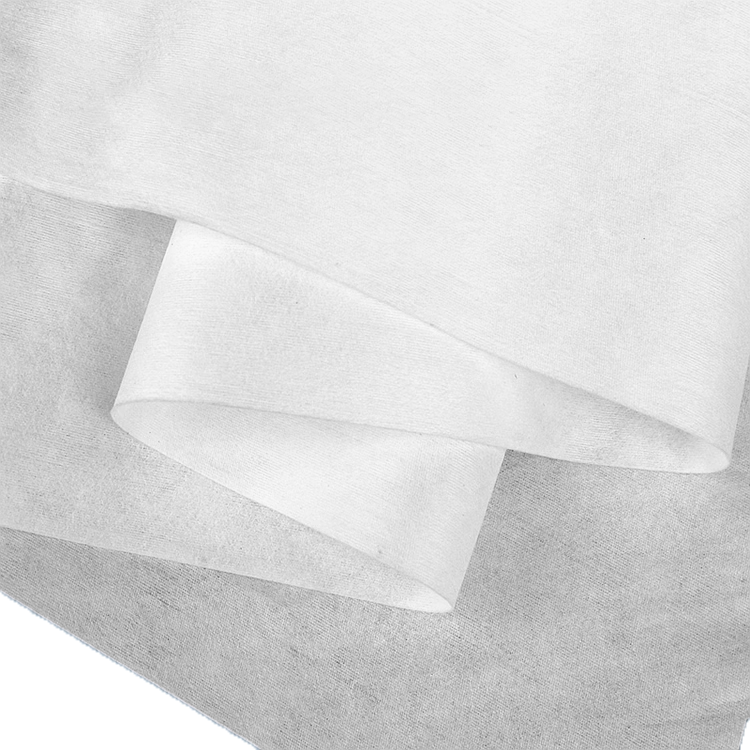
The advantages of non woven fabrics come from their flexible manufacturing process and wide material choices. Nonwovens can be engineered from polypropylene, polyester, viscose, cotton, wood pulp, PLA, ES fibers, meltblown fibers, spunbond layers, needle-punched webs, or blended structures. This allows buyers to select materials based on performance rather than accepting one fixed textile structure.
One major advantage is customization. Nonwoven fabrics can be adjusted by GSM, thickness, porosity, fiber blend, surface treatment, coating, color, width, softness, strength, and functional finishing. For B2B product development, this is important because filtration media, medical fabrics, absorbent pads, wipes, protective apparel, and industrial liners all require different specifications.
Another advantage is process efficiency. Nonwoven fabrics can be produced as roll goods and converted by cutting, slitting, laminating, pleating, ultrasonic welding, heat sealing, folding, or die cutting. This makes them suitable for high-volume production. In many applications, nonwovens also provide a good balance of weight, cost, breathability, and function.
Nonwoven fabrics are also valuable for filtration. Meltblown, spunbond, activated carbon, and composite nonwoven structures can be used to manage particles, dust, liquid, odor, airflow, or fluid transfer. For higher-efficiency air filtration, meltblown filtration media is often selected because fine fiber structures can help capture particles while maintaining controlled air resistance.
However, nonwoven fabrics also have disadvantages. Some grades are not as durable as woven textiles under repeated washing, abrasion, folding, or tensile stress. Some may tear more easily if the GSM is too low or bonding strength is weak. Some may shrink, melt, or deform under heat. Some disposable grades are not designed for long service life.
Another limitation is that one nonwoven cannot solve every problem. A breathable material may not be waterproof. A soft absorbent material may not have strong tensile strength. A high-filtration layer may increase pressure drop. A laminated structure may improve barrier performance but reduce flexibility. This is why buyers should evaluate the full application environment instead of selecting by one property alone.
Non woven fabric can be durable, but durability depends on the material design. The question "is non woven fabric durable" cannot be answered without knowing the fiber type, bonding process, GSM, thickness, reinforcement, finishing, and end-use environment.
Mechanical durability includes tensile strength, tear resistance, abrasion resistance, elongation, and dimensional stability. Polyester nonwoven fabrics are often selected for applications that require stronger structure and better dimensional stability. Polypropylene nonwovens are widely used in hygiene, medical, and filtration products because they are lightweight and processable. Viscose or cellulose-based nonwovens may offer softness and absorbency but may need reinforcement if wet strength is required.
Moisture can change fabric behavior. Hydrophilic nonwovens may absorb or transfer liquid, which is useful in wipes, hygiene topsheets, dressings, and absorbent pads. Hydrophobic nonwovens may resist liquid wetting and are often used in protective layers. However, moisture exposure can reduce strength in some fiber blends, affect coating stability, or change hand feel. For wet-use products, wet strength and linting should be tested.
Heat is another important factor. Some nonwovens can handle moderate processing heat, while others may deform or shrink. Polypropylene has a relatively low melting point compared with polyester, so PP-based nonwovens may be more sensitive to heat pressing, ironing, or high-temperature processing. Polyester generally offers better heat stability, but it still needs application-specific testing.
High performance nonwovens may use special structures to improve durability. Reinforcement layers can increase strength. Laminated films can improve barrier function. Elastic layers can improve stretch and recovery. Coatings can add water resistance, antibacterial function, conductivity, or flame retardancy. Composite structures can combine durability with softness, breathability, or filtration.
For healthcare and protective applications, medical non woven fabric may need to balance softness, cleanliness, strength, barrier properties, sterilization compatibility, and stable performance after conversion. This is different from ordinary packaging or decorative nonwoven materials, where performance expectations may be lower.
Some non-woven fabric can handle heat, but the safe temperature range depends on the fiber and structure. Heat behavior is especially important when the material will be laminated, heat sealed, ultrasonic welded, thermal bonded, embossed, dried, sterilized, or heat pressed.
The phrase "can non-woven fabric handle heat" should be treated carefully. A fabric may tolerate short-term heat sealing but fail under continuous high-temperature exposure. Another fabric may survive drying but deform under heat press pressure. A laminated nonwoven may have one layer that handles heat and another layer that melts or wrinkles. Therefore, testing should simulate the actual production process.
Heat pressing is possible for some nonwoven fabrics, especially when the substrate, coating, adhesive, or transfer material is compatible with controlled temperature and pressure. However, it is not safe to assume that all nonwoven fabrics can be heat pressed. The result may include shrinkage, melting, gloss marks, hardening, warping, coating damage, loss of breathability, or reduced elasticity.
Before heat pressing nonwoven fabric, buyers should check:
Fiber type, such as PP, PET, viscose, PLA, or blend
GSM and thickness
Coating, lamination, or finishing layer
Target temperature and dwell time
Pressure level
Adhesive or transfer film compatibility
Shrinkage risk
Surface appearance after pressing
Tensile strength after heat exposure
Function retention, such as breathability, elasticity, or filtration
For example, an elastic non woven fabric may include stretch elements and nonwoven substrates. In this case, heat exposure should be tested carefully because excessive temperature or pressure may affect stretch recovery, surface feel, or lamination stability.
For B2B buyers, the safest approach is to request samples and conduct production trials before mass ordering. A laboratory heat test is useful, but a real converting test is more reliable because factory conditions include line speed, pressure, roll tension, cutting method, and packaging conditions.
Custom finishes and composite structures are often the reason high performance nonwovens can meet demanding application requirements. Instead of relying on a single fabric layer, manufacturers can combine materials, modify surfaces, or add functional treatments to achieve a better performance balance.
Functional finishes can change how the fabric interacts with liquid, air, bacteria, heat, static electricity, or the human body. Hydrophilic treatment can improve liquid absorption or transfer. Hydrophobic treatment can improve water repellency. Antibacterial finishing can support hygiene-related applications. Flame-retardant treatment can support protective and industrial uses. Conductive treatment can support electronics or anti-static applications. Softening treatment can improve skin-contact comfort.
Composite structures allow different layers to perform different roles. A strong support layer can improve durability. A meltblown layer can improve filtration. An absorbent layer can manage liquid. A film layer can improve barrier performance. An elastic layer can add stretch and recovery. A surface layer can improve comfort or appearance.
This is especially useful when one property conflicts with another. For example, high filtration may increase air resistance, so a filter structure needs controlled fiber design and support layers. Water resistance may reduce breathability, so a laminated product needs the right film and nonwoven combination. Stretch may reduce dimensional stability, so elastic materials need reinforcement and recovery control.
Custom nonwoven development should begin with the final product requirement, not with a standard catalog item. A supplier should understand the application, conversion process, end-use environment, testing requirement, and cost target. The goal is to build the right material system rather than simply provide a roll of fabric.
A practical development checklist includes:
Target application and performance requirements
Required GSM, thickness, width, and roll format
Fiber type and bonding method
Required strength, stretch, or recovery
Air permeability or liquid permeability
Filtration efficiency or barrier requirement
Hydrophilic, hydrophobic, antibacterial, flame-retardant, or conductive finishing
Lamination or composite structure
Heat sealing, ultrasonic welding, cutting, pleating, or folding compatibility
Sample testing and batch consistency
For high performance nonwovens, customization is not only about making a material different. It is about making the material fit the application more precisely.
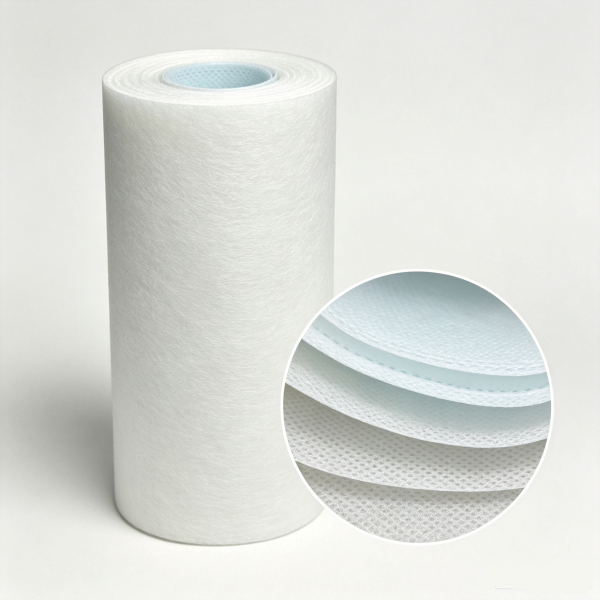
High performance nonwovens are functional materials designed for applications that require more than basic fabric coverage. They can provide filtration, elasticity, breathability, absorbency, durability, barrier protection, heat response, and customized composite performance depending on fiber type, bonding method, GSM, finishing, and structure.
The advantages of non woven fabrics include design flexibility, scalable production, lightweight structure, and the ability to add functional finishes. The disadvantages include possible limits in durability, heat resistance, washability, and mechanical strength if the material is not properly engineered. Whether nonwoven fabric can handle heat or be heat pressed depends on the specific fiber, finish, and production conditions.
For B2B buyers, the best material choice should start with the final application. Composite structures, elastic layers, meltblown filtration media, and medical nonwoven fabrics all serve different performance goals. By matching material design with product requirements, manufacturers can improve function, reduce production risk, and create more reliable finished products.
https://www.aatcc.org/standards/
https://www.edana.org/nw-related-industry/how-are-nonwovens-made
https://www.aami.org/standards/featured-standards/sterilization