Sourcing the right elastic nonwoven fabric requires evaluating elasticity, recovery performance, softness, breathability, process compatibility, and supplier reliability. For medical and hygiene product manufacturers, the ideal material should provide consistent stretch performance while maintaining comfort, durability, and stable production quality.
OEM buyers should focus on material structure, application requirements, and supplier capabilities rather than selecting fabrics based only on elasticity claims.
Elastic nonwoven fabric is widely used in medical and hygiene products that require flexibility, skin comfort, and secure fitting performance. Common applications include:
Disposable diapers and adult incontinence products
Elastic ear loops and side panels for protective masks
Medical fixation materials
Surgical gowns and protective garments
Stretchable hygiene components
Unlike traditional non woven materials, elastic nonwoven fabric combines fiber bonding technology with stretchable components to provide flexibility and recovery after deformation.

The selection process should start with the final product requirements. OEM buyers should evaluate the following factors:
A high-quality non woven elastic material should stretch smoothly and return close to its original shape after repeated use. Poor recovery can lead to product loosening, discomfort, or reduced performance.
Important parameters include:
Stretch ratio
Recovery rate
Tensile strength
Long-term elastic stability
For hygiene products used continuously, elastic recovery is especially important because the material must maintain a comfortable fit throughout usage.
Medical and hygiene products are often in direct contact with sensitive skin. The fabric should provide:
Low friction surface
Soft touch feeling
Minimal irritation risk
Stable performance after processing
Manufacturers should request product samples and conduct practical application testing before bulk purchasing.
For products such as diapers, medical garments, and protective wear, airflow management affects user comfort. A suitable elastic non woven fabric should balance stretch performance with air permeability.
A fabric that is too dense may improve barrier properties but reduce comfort, while an overly open structure may affect strength and protection.
Most elastic non woven materials are produced using synthetic fibers combined with elastic components. Common material structures include:
Polypropylene (PP) non woven layers
Elastomer-based elastic fibers
Composite non woven structures
Different combinations influence softness, elasticity, strength, and processing performance.
For OEM applications, suppliers may customize the fiber composition, fabric weight, thickness, and stretch characteristics according to product requirements.
Before selecting a supplier, buyers should evaluate:
Request technical specifications including:
Basis weight (GSM)
Thickness
Tensile strength
Elongation rate
Elastic recovery performance
Air permeability
Large-scale hygiene product manufacturing requires stable material quality. Suppliers should demonstrate:
Consistent roll-to-roll performance
Strict quality control systems
Reliable production capacity
Accurate delivery schedules
Every medical or hygiene product has different requirements. A professional elastic non woven supplier should support customization in:
Width and roll size
Elasticity level
Fabric structure
Color options
Packaging specifications
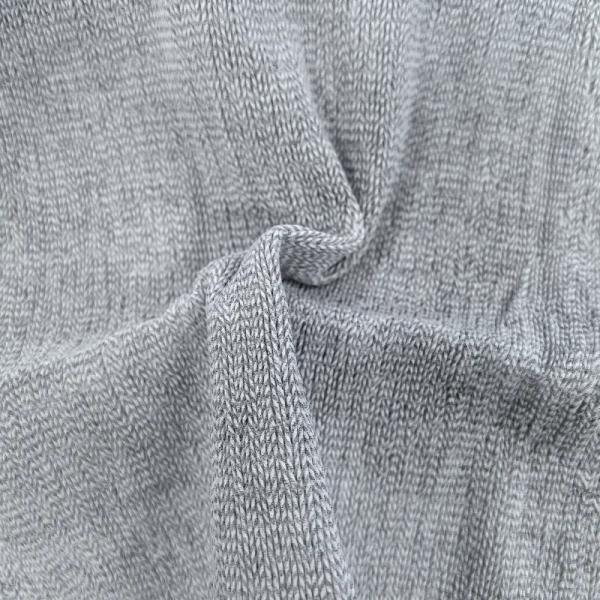
Traditional non woven fabric provides strength, softness, and filtration or barrier functions, but it usually has limited stretch capability.
Elastic non woven fabric adds flexible performance through specialized fiber structures, allowing the material to expand and recover. This makes it more suitable for products requiring movement, body fitting, and long-term comfort.
A reliable supply chain depends on more than product quality. OEM buyers should consider:
Supplier experience in medical and hygiene industries
Production capacity and lead times
Quality management procedures
Technical support during product development
Ability to provide customized solutions
Working with an experienced manufacturer helps reduce material risks and improves production efficiency.
Choosing the right elastic nonwoven fabric is essential for producing high-performance medical and hygiene products. OEM buyers should evaluate elasticity, softness, breathability, material structure, and supplier capability before making a purchasing decision. A reliable supplier with strong customization and quality control capabilities can help manufacturers achieve better product performance and long-term production stability.
Elastic nonwoven fabric is a flexible non woven material designed with stretch and recovery properties. It is commonly used in hygiene and medical products where comfort and fitting performance are required.
Non woven elastic materials are mainly used in products requiring flexibility, including diapers, protective garments, medical supplies, and disposable hygiene components.
Quality can be evaluated through elasticity testing, tensile strength testing, recovery performance analysis, softness evaluation, and application trials.
Customization allows manufacturers to achieve the required balance between stretchability, strength, comfort, and production compatibility for specific products.