Hydrophilic non woven fabric is designed to interact with water, body fluid, or liquid-based formulations more effectively than ordinary hydrophobic nonwoven materials. In many medical, hygiene, skincare, wiping, filtration, and absorbent product applications, the fabric must not only be soft and breathable, but also allow liquid to pass through, spread, absorb, or transfer in a controlled way.
For B2B buyers, the key questions are practical: how to make hydrophilic non woven fabric, is non woven fabric breathable, is non woven fabric water resistant, is non woven fabric waterproof, and what are the properties of non woven fabrics that matter in real production? The answers depend on fiber type, bonding method, surface treatment, GSM, thickness, softness, wet strength, absorbency, and end-use requirements.
Hydrophilic nonwoven fabric is commonly used in medical dressings, disposable hygiene products, facial masks, wet wipes, absorbent pads, wound care materials, cosmetic care materials, and liquid distribution layers. For companies sourcing wholesale nonwoven fabric, the right hydrophilic grade should be selected according to absorbency, comfort, conversion method, and the performance target of the finished product.
How to make hydrophilic non woven fabric: It is usually made by selecting absorbent fibers, applying hydrophilic surface treatment, or modifying the nonwoven structure to improve liquid interaction.
Is non woven fabric breathable: Many nonwoven fabrics are breathable because their porous structure allows air to pass through, but breathability depends on GSM, density, fiber type, and finishing.
Is non woven fabric water resistant: Some nonwoven fabrics can be water resistant if made from hydrophobic fibers or treated with water-repellent finishes.
Is non woven fabric waterproof: Most nonwoven fabrics are not fully waterproof unless they are laminated, coated, or combined with a waterproof film layer.
What are the properties of non woven fabrics: Important properties include absorbency, softness, breathability, GSM, tensile strength, elongation, thickness, liquid strike-through, linting, and skin-contact comfort.
Hydrophilic non woven fabric is a nonwoven material designed to attract, spread, absorb, or transfer water-based liquids. The word "hydrophilic" means water-loving. In fabric applications, it usually describes a material surface that allows water or liquid to wet the fabric more easily instead of beading up on the surface.
This does not mean every hydrophilic nonwoven fabric works in the same way. Some grades are designed for fast liquid penetration, such as hygiene topsheets. Some are designed for moisture retention, such as skincare mask materials. Some are designed for wound dressing support, where absorbency, softness, low irritation, and cleanliness are important. Others are used as wiping materials, where wet strength and liquid-holding capacity matter more.
A nonwoven fabric is different from woven cloth. It is made directly from fibers or filaments that are bonded mechanically, thermally, or chemically instead of being woven or knitted. This structure gives nonwovens a high level of design flexibility. For general material definition, nonwovens are often described as flat, porous sheets made directly from fibers rather than yarn-based textiles.
Hydrophilic performance can come from the fiber itself or from treatment. Viscose, cotton, pulp-based fibers, Tencel-type fibers, and some bio-based fibers naturally interact with moisture better than polypropylene. Polypropylene is normally hydrophobic, but it can be modified with hydrophilic agents or finishes to improve wetting and liquid transfer.
In medical and hygiene applications, hydrophilic nonwoven fabric is often selected because it can support comfort and liquid management at the same time. For example, a skin-contact material may need to feel soft, allow vapor or air movement, and help move liquid away from the surface. A dressing material may need to absorb exudate, reduce surface wetness, and remain stable during handling.
For buyers comparing huiming non woven fabric, hydrophilic performance should be considered as one part of the full material specification, not as a single label. The same "hydrophilic" description may refer to very different products depending on GSM, raw material, softness, wet strength, absorbency, and intended end use.
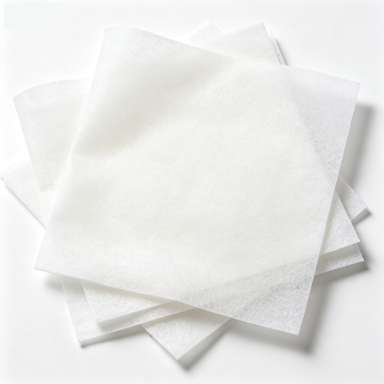
Hydrophilic non woven fabric can be made in several ways. The most common approach is to use naturally absorbent fibers, apply hydrophilic treatment to the fabric surface, or combine different layers into a composite structure.
The first method is fiber selection. Fibers such as viscose, cotton, wood pulp, and lyocell-type fibers have better moisture affinity than hydrophobic synthetic fibers. These fibers can be used in spunlace, airlaid, wetlaid, or other nonwoven processes to create soft and absorbent materials for wipes, facial masks, medical pads, hygiene products, and absorbent layers.
The second method is surface treatment. Hydrophobic fibers such as polypropylene can be treated with hydrophilic finishing agents to reduce surface tension and allow water to spread more easily. This is common in hygiene and medical products where PP is useful for strength, cost control, and processing stability, but liquid transfer is also required.
The third method is structural design. A nonwoven fabric can be engineered with different pore sizes, thickness, fiber orientation, and bonding patterns to control how liquid enters, spreads, and moves through the material. In some products, a hydrophilic layer may be paired with a stronger backing layer, a film layer, or an absorbent core to create a complete functional system.
The fourth method is composite development. For example, a medical or hygiene product may use a soft hydrophilic topsheet, an absorbent middle layer, and a barrier backing layer. This design helps liquid move away from the surface while preventing leakage. In skincare and beauty applications, a hydrophilic nonwoven layer may be designed to hold serum evenly and release it gradually during use.
Production control is important because hydrophilic performance must be consistent across the roll. Uneven treatment can cause patchy wetting, unstable liquid strike-through, or poor user experience. Too much treatment may affect softness, odor, skin comfort, bonding strength, or downstream processing. Too little treatment may cause slow absorption or liquid beading.
For a non woven fabric for medical use, buyers should also consider cleanliness, biocompatibility expectations, linting, sterilization compatibility, irritation risk, and stable batch quality. Medical applications are more sensitive than general wiping or packaging applications because the material may contact skin, wounds, or healthcare environments.
Non woven fabric can be breathable, water resistant, or waterproof, but these properties are not the same. Buyers should avoid using these terms interchangeably because they describe different performance needs.
Breathability means air or water vapor can pass through the material. Many nonwoven fabrics are breathable because their structure contains pores between fibers. Breathability is important in skin-contact products such as medical dressings, hygiene topsheets, protective apparel, and cosmetic materials. However, breathability depends on GSM, thickness, density, pore structure, fiber type, coating, lamination, and bonding method.
Water resistance means the material can resist liquid penetration to some degree. A water-resistant nonwoven may repel droplets or slow down liquid passage, but it is not necessarily waterproof. Water resistance can be achieved through hydrophobic fibers, water-repellent treatment, tighter structure, or laminated designs.
Waterproof means the material prevents water from passing through under defined conditions. Most nonwoven fabrics are not fully waterproof by themselves because their porous structure allows liquid or vapor movement. To make a nonwoven waterproof, manufacturers usually add a film layer, coating, lamination, or special barrier treatment. This is common in protective apparel, surgical drapes, bed pads, hygiene backsheets, and industrial protection materials.
Hydrophilic nonwoven fabric is usually designed for liquid interaction, not liquid blocking. It may absorb water, spread liquid, or help transfer fluid to another layer. Therefore, if a buyer asks "is non woven fabric waterproof", the answer depends on whether the material is hydrophilic, hydrophobic, coated, laminated, or combined with a barrier film.
In medical and hygiene product design, breathability and liquid management often need to be balanced. A dressing layer may need to absorb or transfer fluid while still allowing vapor exchange. A protective layer may need fluid resistance while still being comfortable. A skincare mask material may need liquid retention and softness rather than waterproofing.
For product development, the right question is not simply whether nonwoven fabric is breathable or waterproof. The better question is: what should the material do with liquid? Should it absorb, repel, transfer, retain, block, or release moisture? The answer determines whether hydrophilic nonwoven, hydrophobic nonwoven, laminated nonwoven, coated nonwoven, or composite nonwoven is the best choice.
Hydrophilic nonwoven fabric should be selected according to the final product, not only by GSM or appearance. A facial mask substrate, a medical dressing layer, a wet wipe material, and a hygiene topsheet may all need hydrophilic behavior, but their performance priorities are different.
The first property is absorbency. Some products require fast liquid uptake, while others need controlled liquid retention. Wet wipes need enough liquid-holding capacity and wet strength. Facial masks need even serum distribution and skin comfort. Medical pads may require absorbency, softness, and low linting.
The second property is liquid strike-through. In hygiene and medical products, liquid may need to pass quickly through the surface layer into an absorbent core. If liquid stays on the surface, the product may feel wet or uncomfortable. If it passes too quickly without distribution, the absorbent layer may not be used efficiently.
The third property is softness. Skin-contact applications require a smooth and comfortable surface. Fiber type, bonding method, finishing process, and basis weight all affect hand feel. Spunlace nonwoven is often valued in wipes and skincare products because it can provide a soft textile-like touch.
The fourth property is breathability. Medical, hygiene, and skincare products often require air or vapor movement to improve comfort. However, too open a structure may reduce absorption control or strength. The best fabric balances breathability with liquid management.
The fifth property is wet strength. A material may be strong when dry but weak after absorbing liquid. Wet strength is important for wet wipes, dressings, cleaning materials, and medical pads that must remain intact during use.
The sixth property is GSM and thickness. GSM influences cost, absorbency, opacity, strength, and liquid capacity. However, higher GSM is not always better. A high-GSM fabric may feel thicker and stronger, but it may be less breathable or less suitable for precise conversion. A low-GSM fabric may be economical and soft, but it may lack enough strength or liquid capacity.
The seventh property is compatibility with conversion. The fabric may need to be cut, folded, embossed, laminated, sterilized, packed, ultrasonic welded, or combined with other materials. The chosen grade must work smoothly in the customer’s production line.
A practical selection checklist includes:
Final application and product structure
Required absorbency or liquid transfer speed
GSM, thickness, and width
Softness and skin-contact comfort
Breathability and vapor permeability
Wet strength and tensile strength
Linting and cleanliness requirements
Hydrophilic treatment durability
Compatibility with sterilization, lamination, cutting, folding, or packaging
Custom requirements for fiber blend, color, embossing, or finishing
For B2B buyers, the best hydrophilic nonwoven fabric is not simply the most
absorbent material. It is the material that fits the final product’s function, comfort expectation, manufacturing process, and cost target. A stable supplier should be able to support specification matching, sample testing, and customized material development when standard grades are not enough.
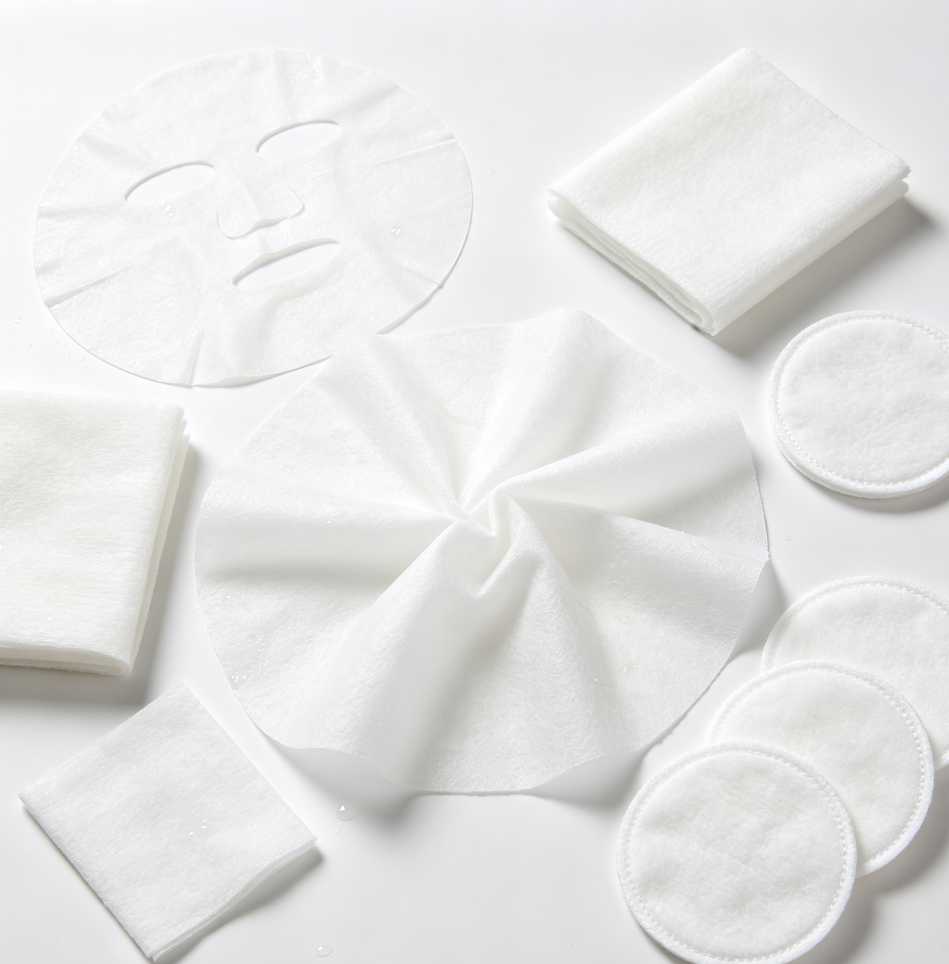
Hydrophilic non woven fabric is an important functional material for products that need moisture interaction, liquid transfer, absorbency, softness, and skin-contact comfort. It is widely used in medical fabrics, hygiene products, wet wipes, facial masks, absorbent pads, skincare materials, and healthcare-related applications.
For buyers asking how to make hydrophilic non woven fabric, the answer usually involves fiber selection, surface treatment, structural design, or composite development. For questions such as "is non woven fabric breathable", "is non woven fabric water resistant", or "is non woven fabric waterproof", the answer depends on the fabric structure and finishing method.
The right material should be selected by application, not by a single label. Absorbency, GSM, softness, breathability, wet strength, liquid strike-through, cleanliness, and conversion compatibility all matter. For manufacturers developing medical, hygiene, beauty care, or absorbent products, choosing the right hydrophilic nonwoven fabric can improve product comfort, reduce production risk, and support more consistent product performance.
https://www.inda.org/about-nonwovens/
https://www.edana.org/nw-related-industry/what-are-nonwovens
https://www.fda.gov/medical-devices
https://www.aami.org/standards/featured-standards/sterilization