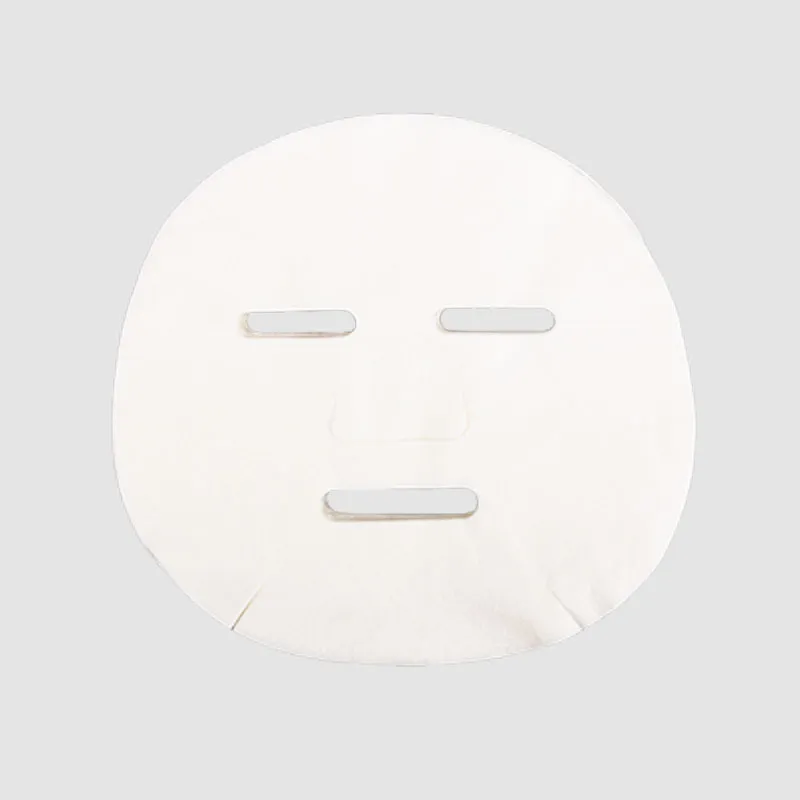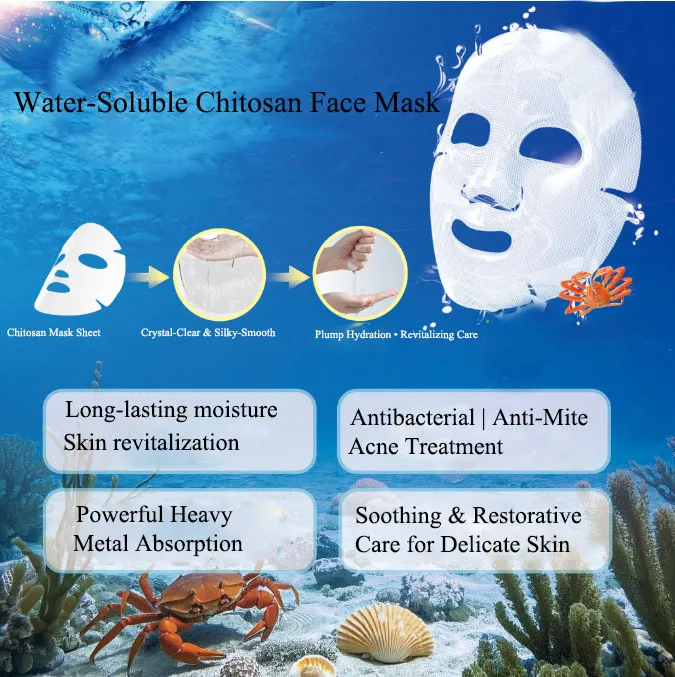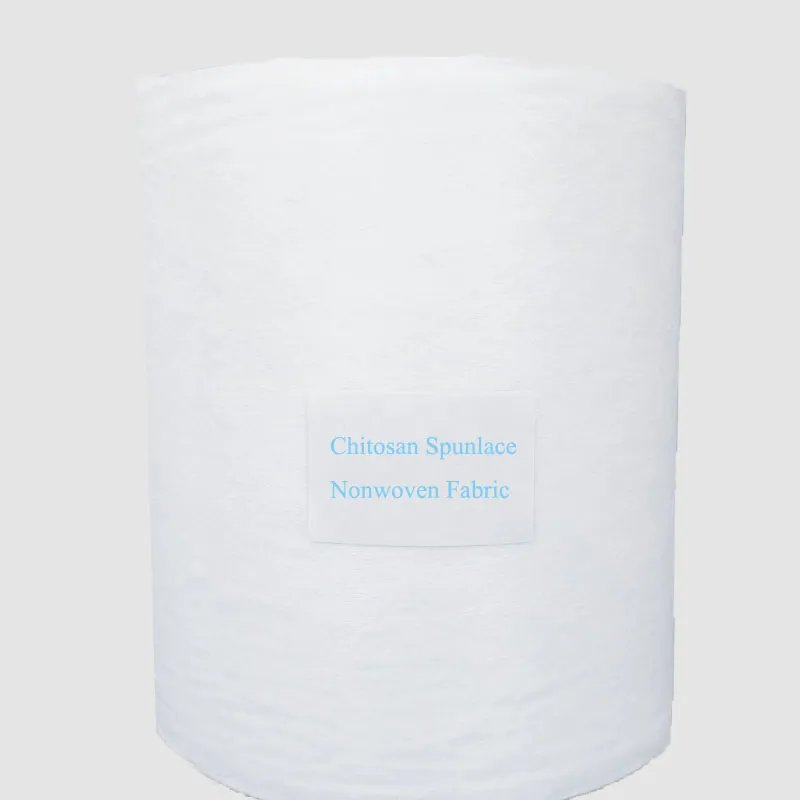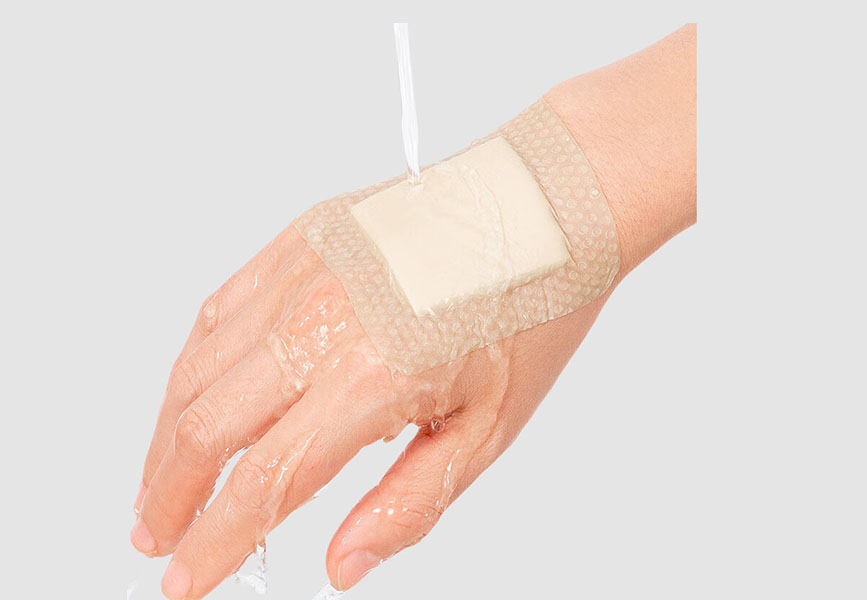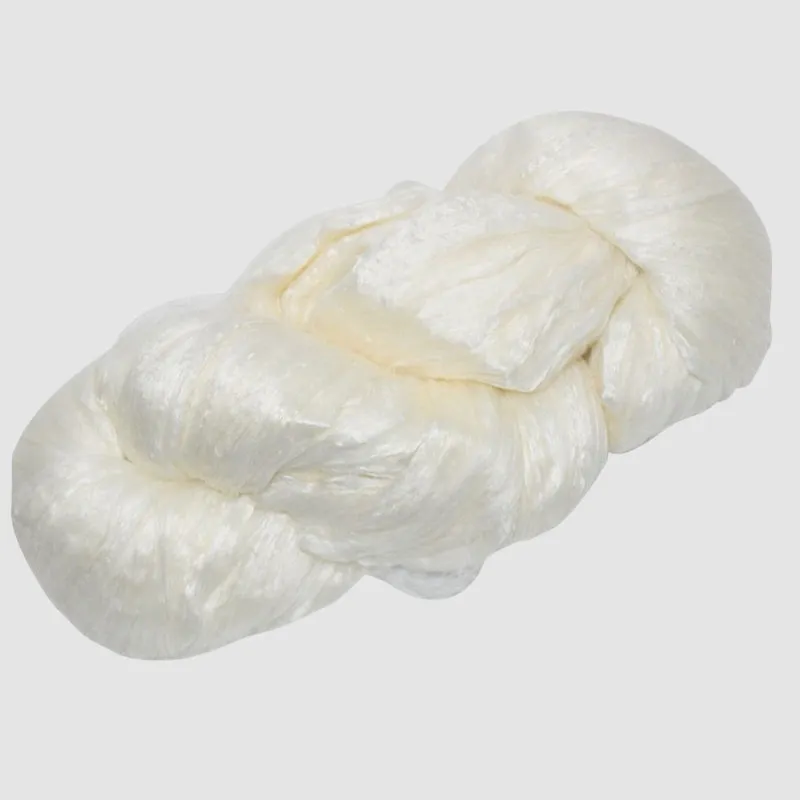
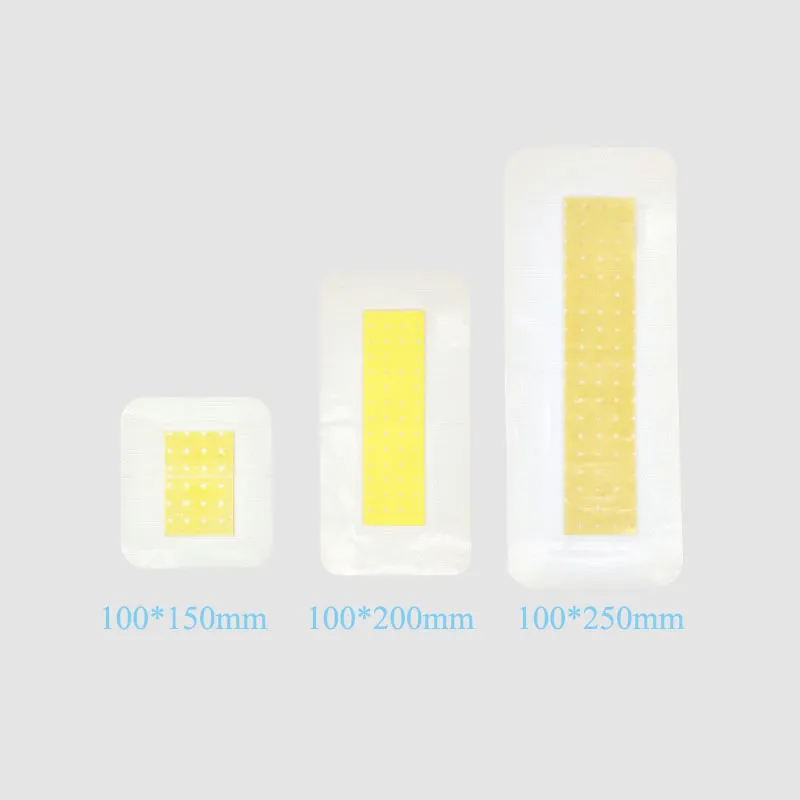
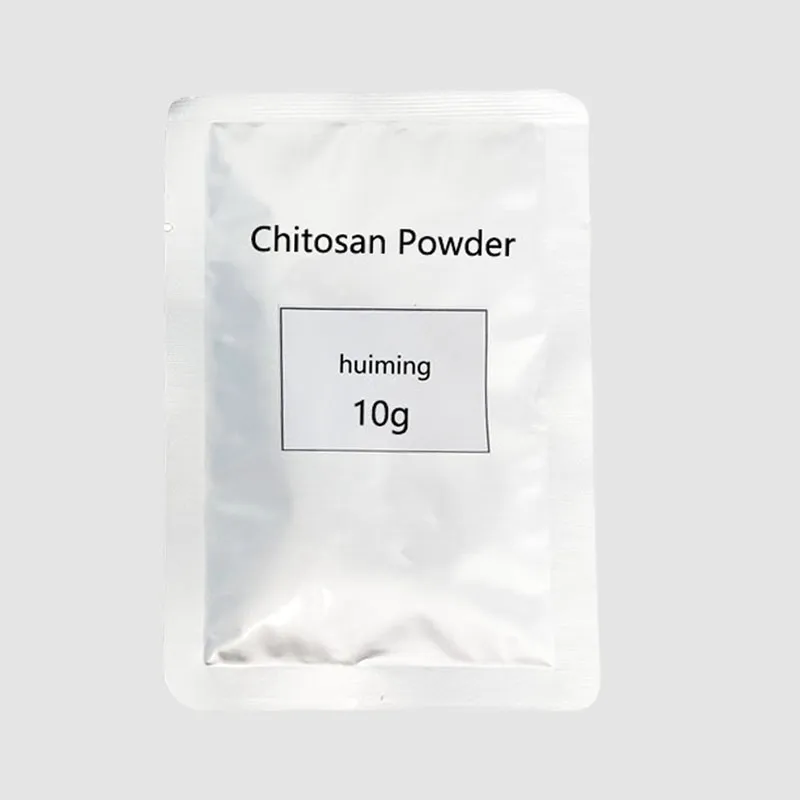
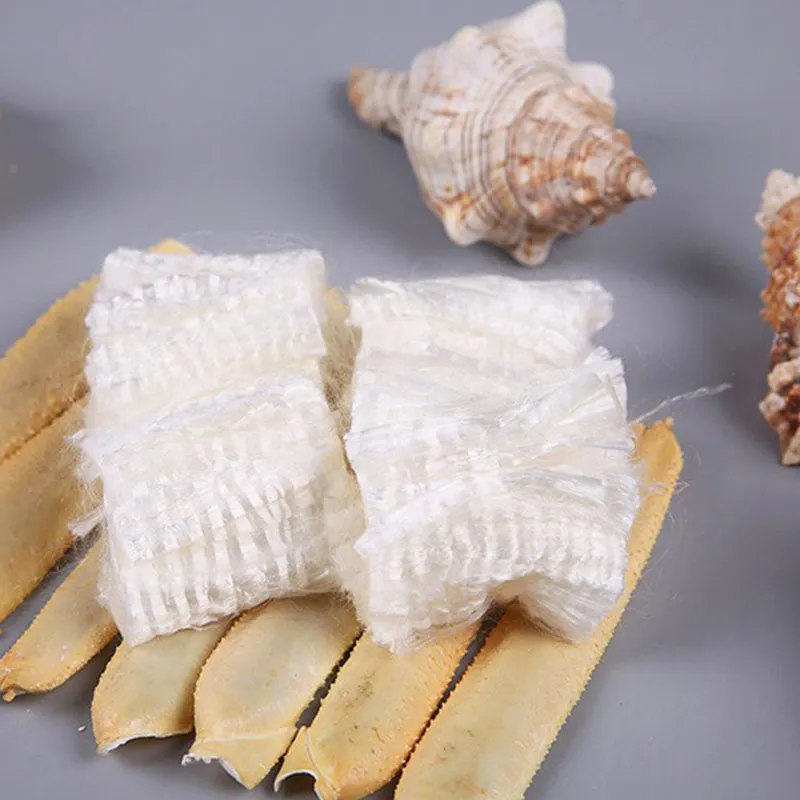
Chitosan medical dressing is a remarkable natural biomaterial that has gained widespread recognition in clinical care, thanks to its exceptional set of properties and versatile applications. What makes it stand out are its notable advantages: it possesses natural antibacterial capabilities, effectively curbing the growth of harmful microbes around wounds; it enables rapid hemostasis, helping to stop bleeding quickly and reduce the risk of excessive blood loss; it plays a key role in enhancing wound healing, promoting the regeneration of healthy tissue and accelerating the recovery process; it boasts excellent biocompatibility, meaning it interacts well with the body's tissues without causing adverse reactions; and it has strong exudate absorption, efficiently managing fluid from wounds to keep the affected area clean and conducive to healing. In terms of applications, chitosan medical dressings are highly versatile in clinical settings. They are commonly used in the care of both acute and chronic wounds, providing reliable protection and support for various types of injuries. They also serve as effective post-surgical wound coverage, aiding in the healing of incisions after operations.
| Product Name | Chitosan Medical Dressing | |
| Diameter | 1–20 μm | |
| Color | White/off-white (natural unbleached) | |
| Density | 1.35–1.40 g/cm³ (similar to cotton) | |
| Biodegradability | 6–12 months (enzymatic/natural degradation) | |
| PH Compatibility | Weakly acidic (pH 5.5–6.5, skin-friendly) | |
| Antibacterial Rate | ≥90% against S. aureus, E. coli | |
| Sterilization | Compatible with EO gas, gamma radiation, or e-beam | |
Natural antibacterial property.
Rapid hemostasis ability.
Enhances wound healing.
Excellent biocompatibility.
Absorbs wound exudate.
1. Acute and chronic wound care.
2. Post-surgical wound coverage.
3. Burn and scald treatment.
4. Management of diabetic foot ulcers and refractory wounds.
5. Aesthetic medicine.