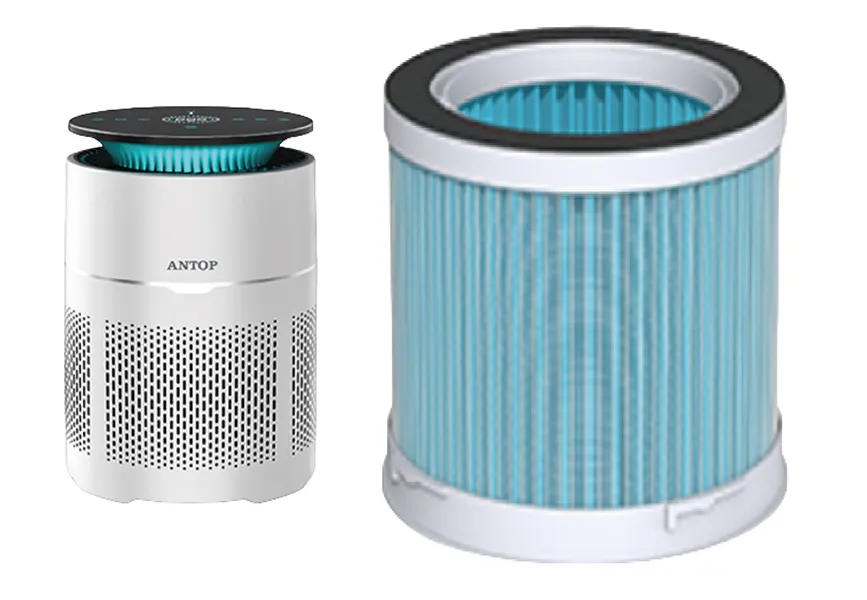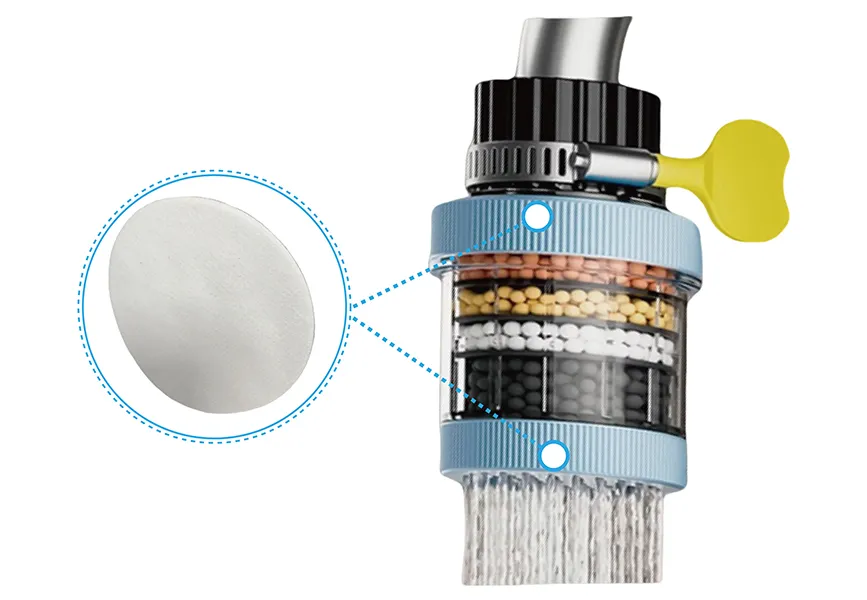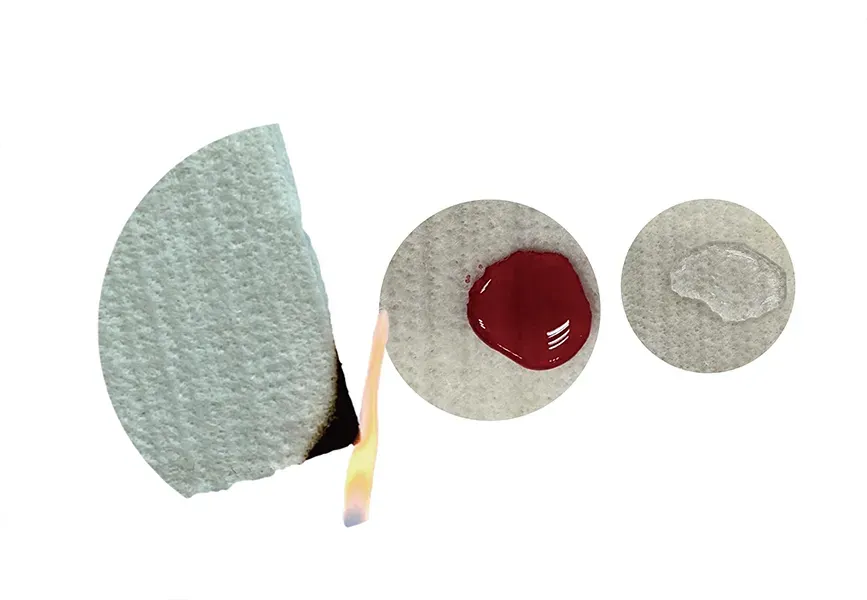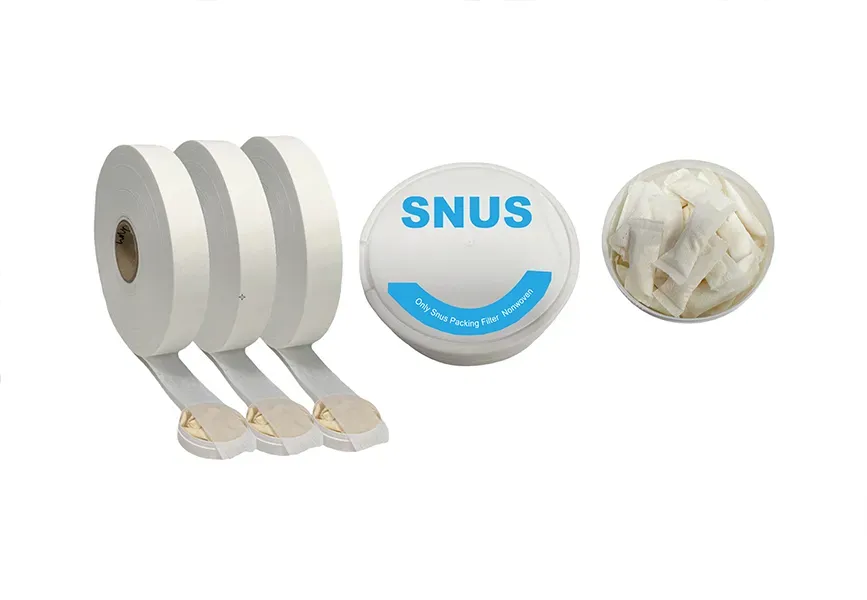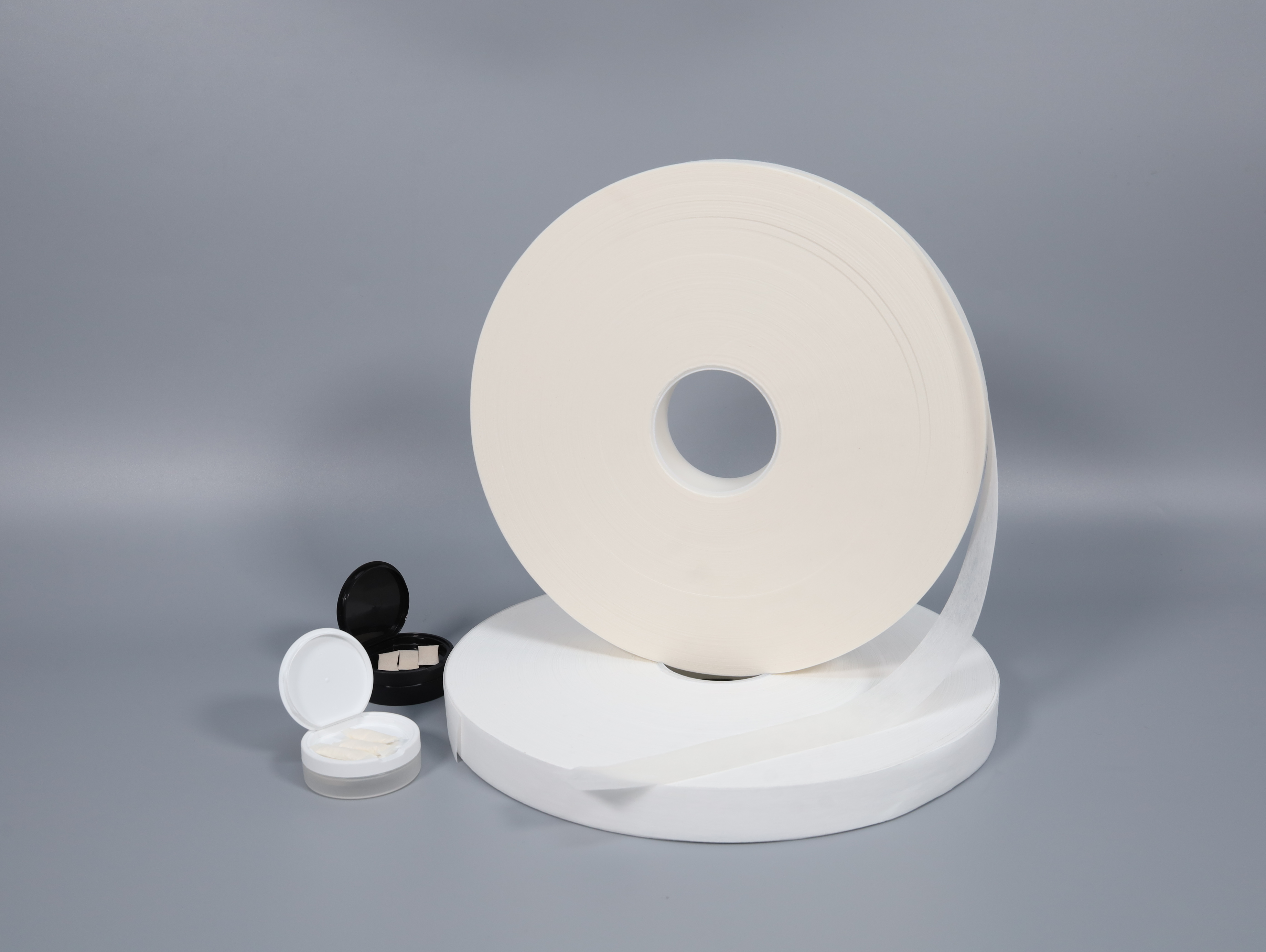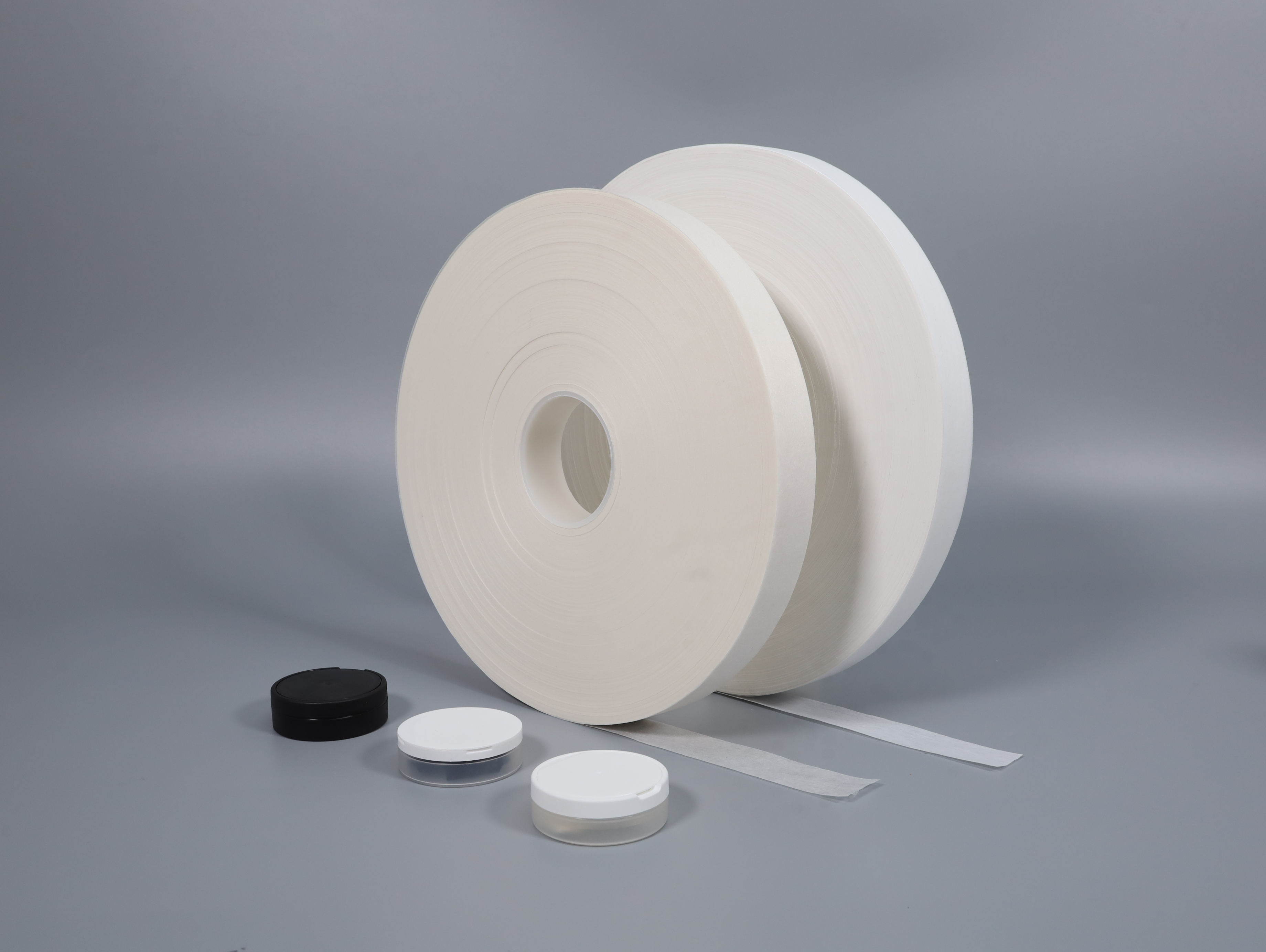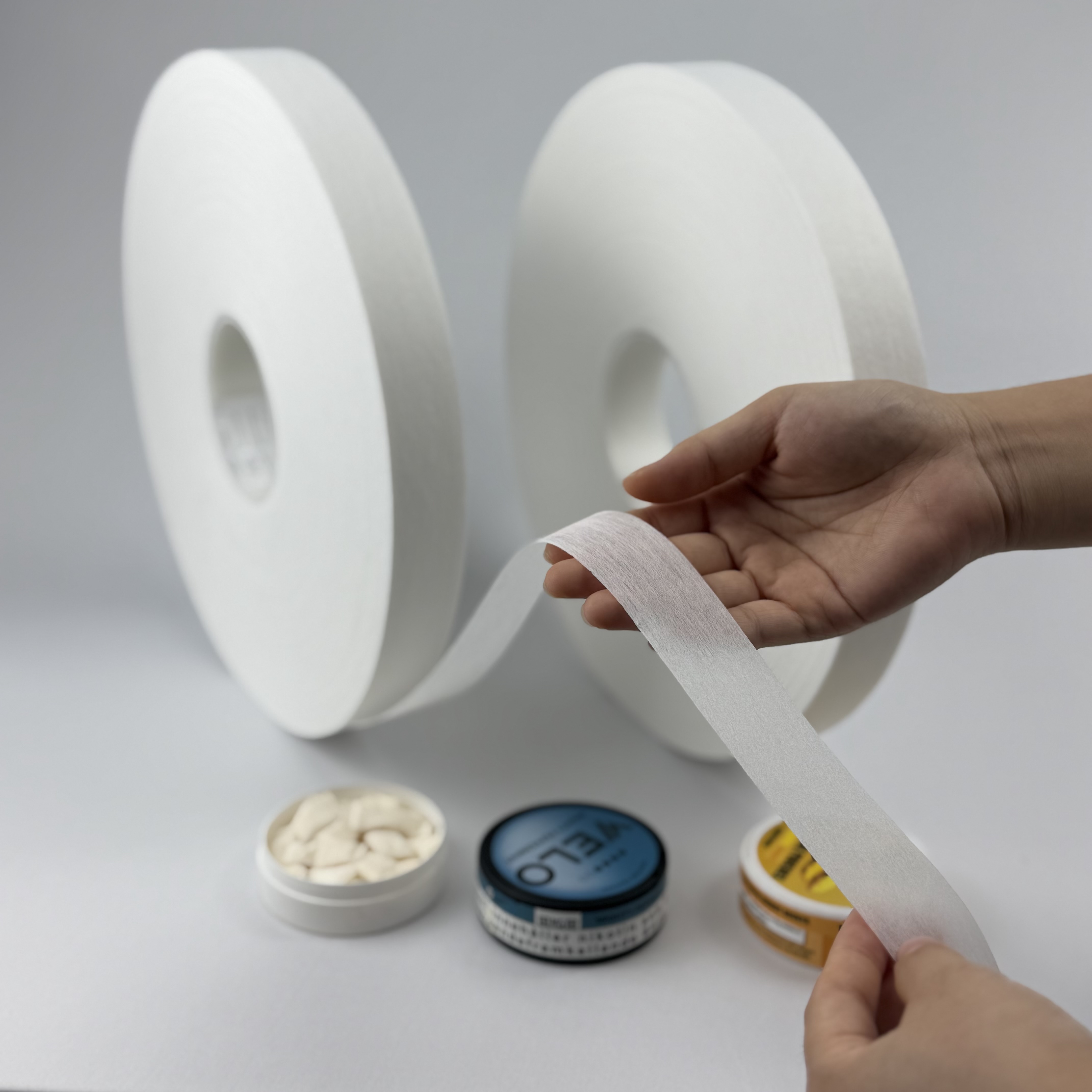

Increased focus on the indoor air quality (IAQ) and its effect on human health has led to stricter regulatory requirements concerning air filtration. Filter cloth is certified to comply with ISO standards and FDA regulations. It features low resistance, high efficiency, a high dust-holding capacity, and antibacterial properties. It finds extensive application in medical devices, including oxygen generators, ventilators, pulmonary function meters, nebulizers, fuel dispensers, and ozone machines. Filtration fabrics effectively filters out dust, particles, and impurities from the air, thereby enhancing air quality and ensuring clean air intake during respiration.

In the non-woven fabric industry, strict quality control begins with raw materials. Raw material random check, it will be returned if it’s inconsistent with your need.
Adherence to international and industry-specific technical certifications is crucial. Our products hold multiple certifications, including FDA, CE, SGS, etc.
More defects than customers' acceptable max defects, recheck all the products again. And pick up critical defects, improve the minor defects. Meet customers' quality and packaging request, then shipping.
The filter membrane acts as a protective barrier. Air is filtered through the membrane before entering the respiratory tract via tubing and masks. If excessively dirty, it can shorten the compressor's lifespan. Its role is to block fine dust from entering the ventilator tubing system, protect solenoid valves and sensors, ensure clean air delivery during use, and improve air quality.
1. Coarse black filter membranes can be reused but require periodic cleaning. Gently wash with warm soapy water,
2. Fine white filter membranes are disposable and must be replaced regularly. Replace when the membrane turns gray. Replacement frequency depends on ambient air quality.
Filtration precision refers to the pore size of a filter element, measured in micrometers (μm). It indicates the maximum particle size allowed to pass through the filter when a solution containing impurities flows through it.
Mesh count (mesh): Indicates particle size or fineness, defined as the number of openings per linear inch in a sieve. A higher mesh count indicates finer particles, while a lower count indicates coarser particles.
PFE (Particulate Filtration Efficiency): Measures particle filtration efficiency. Tests use different media and flow rates with varying particle size standards.
BFE (Bacterial Filtration Efficiency): Measures bacterial filtration efficiency. Tests use Staphylococcus aureus at 28.3L/min flow.
VFE (Viral Filtration Efficiency): Measures viral filtration efficiency. Tests use Phi-X174 bacteriophage as a viral carrier, with aerosols controlled to 3.0±0.3μm to simulate real-world viral transmission.
Polyester:
High-strength, wear-resistant, low-cost, medium-efficiency filter cotton. Rewashable & reusable for home purifiers/AC.
Polypropylene(PP):
Chemically stable, acid/alkali-resistant, hydrophobic. Ideal for industrial dust/humid environments.
Nylon:
Boasting good elasticity and tear resistance, it is ideal for high-airflow scenarios or frequent cleaning, such as automotive engine air intake filtration.

Activated Carbon:
With strong adsorption capacity, it can remove harmful gases like odors, formaldehyde, and VOCs. It is often compounded with other materials for air purification.
Bicomponent fiber:
Two distinct/complementary polymers. Superior performance > conventional synthetics, enabling versatile applications.
Viscose:
Artificial cellulose fiber from wood pulp. Excellent moisture absorption, breathability & antistatic. Widely used in underwear/textiles/apparel.